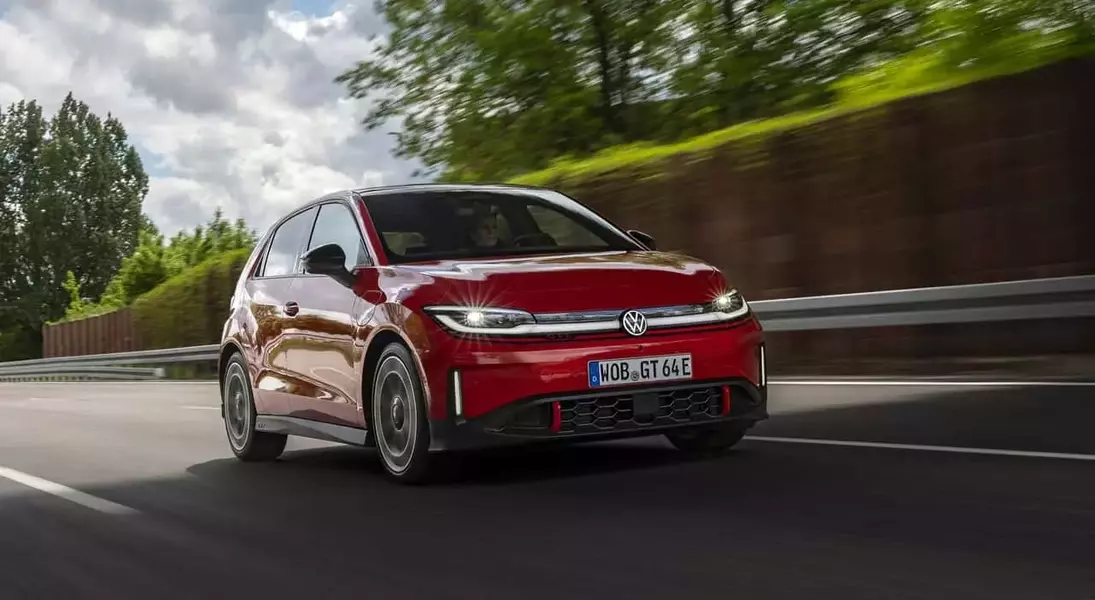
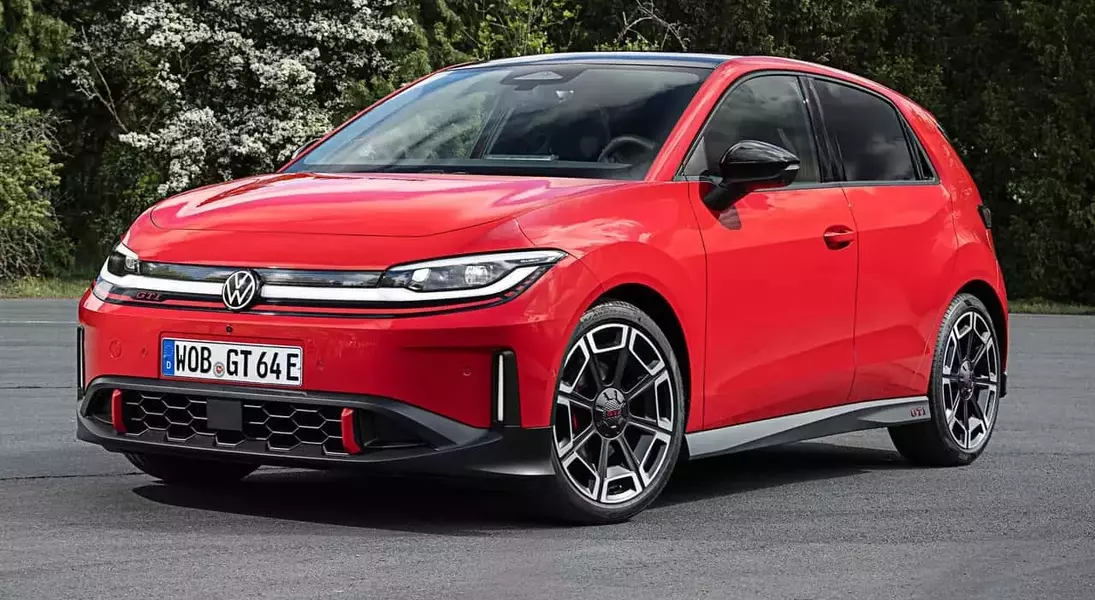
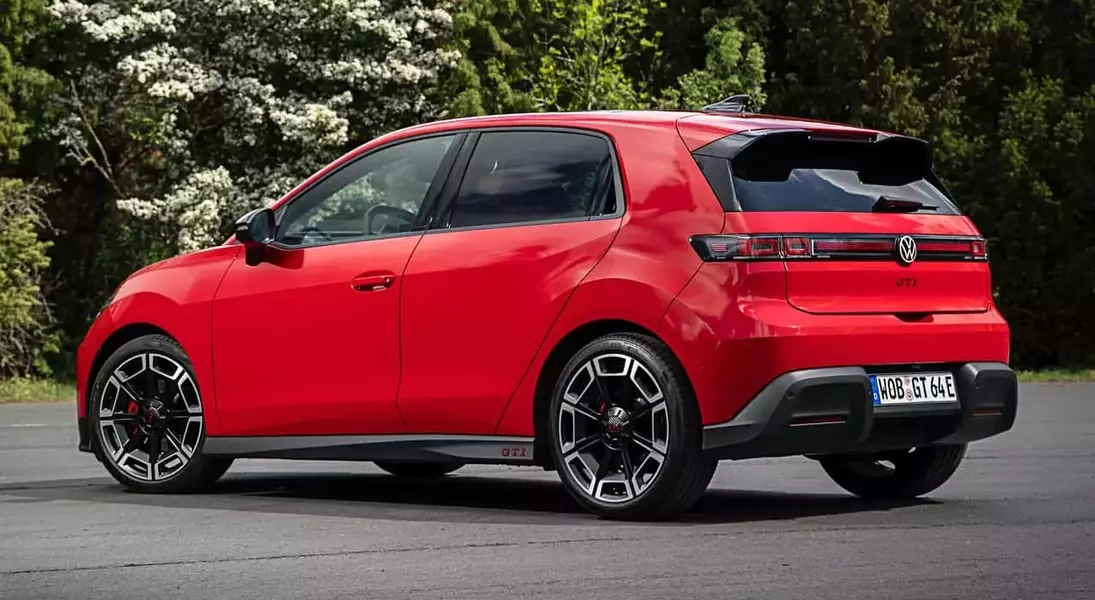
Volkswagen Group's leadership is optimistic about the future of electric vehicles (EVs), envisioning a natural progression where they supersede traditional gasoline-powered cars without the necessity of strict legislative bans. This outlook draws a historical parallel to the widespread adoption of automobiles over horse-drawn carriages, suggesting that the superiority of the new technology will inevitably lead to its universal acceptance. Martin Sander, a key executive in Volkswagen's sales and marketing division, emphasized that public discourse should prioritize showcasing the intrinsic benefits of EVs rather than focusing on deadlines for phasing out internal combustion engine (ICE) vehicles.
The company's strategy is rooted in the conviction that once consumers fully grasp the advantages of electric mobility, the shift from ICE to EV will occur organically. Sander's analogy between the obsolescence of horses and the eventual decline of gasoline cars highlights a belief that technological advancement and user experience will be the primary drivers of change. Despite European Union initiatives to reduce carbon emissions, leading to a softening of initial bans on new combustion-engine car sales post-2035, Volkswagen maintains that the industry's focus should remain on improving EV infrastructure and affordability. By enhancing charging networks and reducing energy costs, the brand anticipates that electric cars will become the preferred choice, obviating the need for coercive regulations.
Volkswagen's stance reflects a broader industry challenge: balancing innovation with economic realities. While electric vehicle sales are gaining traction, currently constituting over a fifth of new car registrations in Europe, the transition is not without its hurdles. Many established automakers still rely on profits from gasoline car sales to finance their EV research and development. This interdependency means that a sudden, forced abandonment of ICE vehicles is impractical. Therefore, Volkswagen's approach advocates for a supportive ecosystem that allows electric vehicles to flourish through their merits, ensuring a smooth and sustainable evolution of the automotive landscape.
Embracing innovation and adaptability, as Volkswagen suggests, fosters progress that genuinely benefits society. By focusing on enhancing the intrinsic value of new technologies and making them accessible, we empower individuals to make choices that contribute to a better future. This approach not only drives technological advancement but also cultivates a sense of collective responsibility towards sustainable development.
