Marvel's initial venture into streaming was not originally planned to commence with WandaVision. The studio had commissioned numerous shows concurrently to populate Disney Plus with content. While The Falcon and the Winter Soldier was slated to launch this new era, production delays due to COVID paved the way for Jac Schaeffer's unique sitcom homage to initiate the Marvel Cinematic Universe's streaming journey with a fond tribute to television itself. Five years onward, this streaming chapter appears to be concluding. Marvel has substantially scaled back its live-action television series, prioritizing more cost-effective animation. The recent announcement of Daredevil: Born Again concluding after its third season, coupled with the introduction of a new show whose future remains uncertain, highlights this shift. Thus, it is fitting that as the strategy born from WandaVision draws to a close, the MCU circles back to its origins.
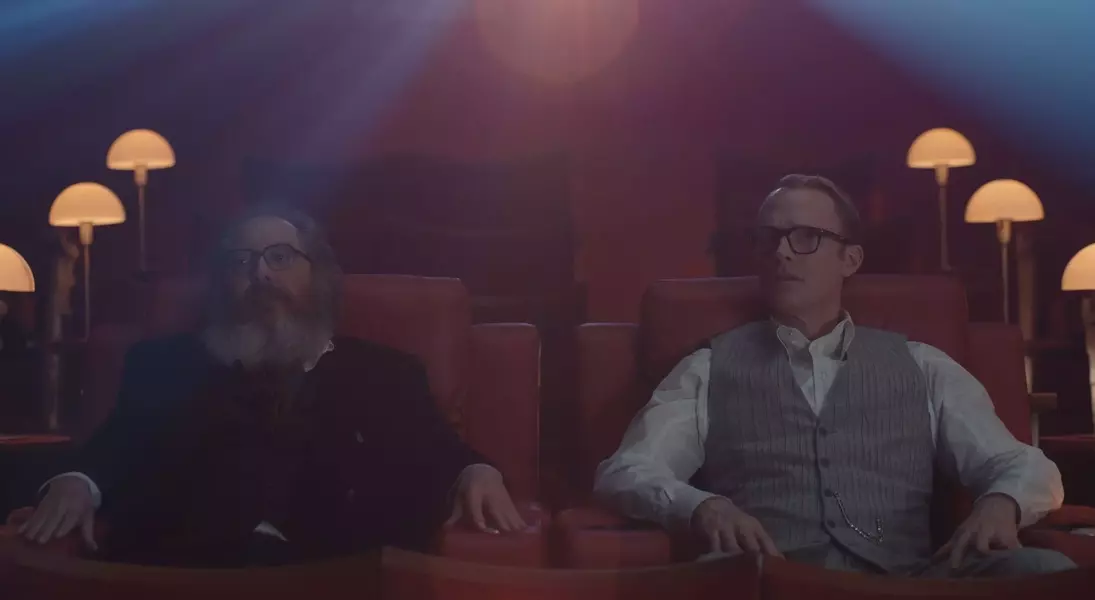
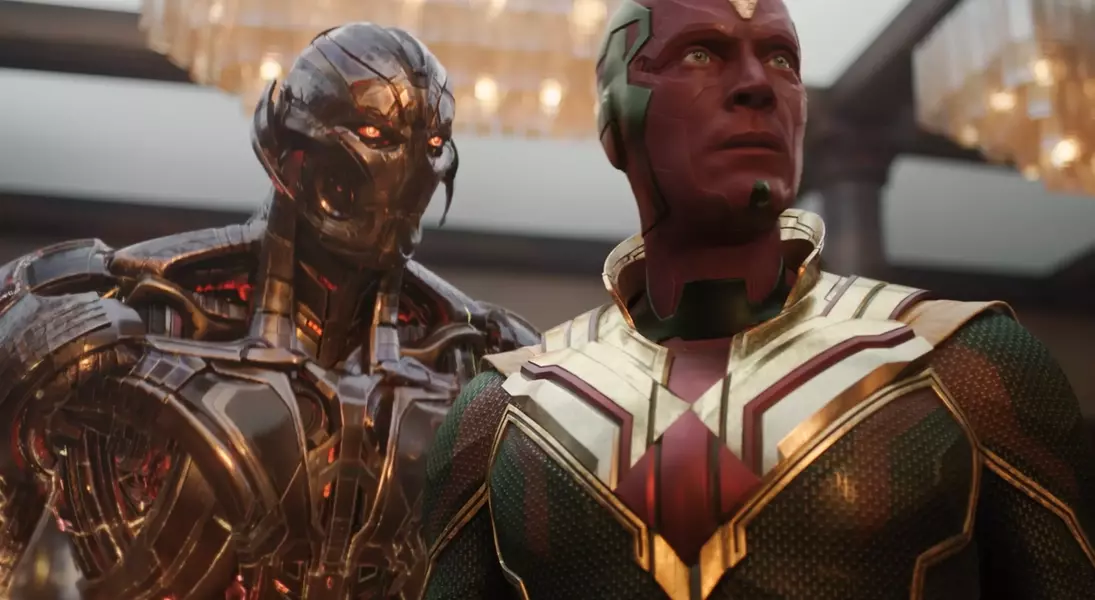
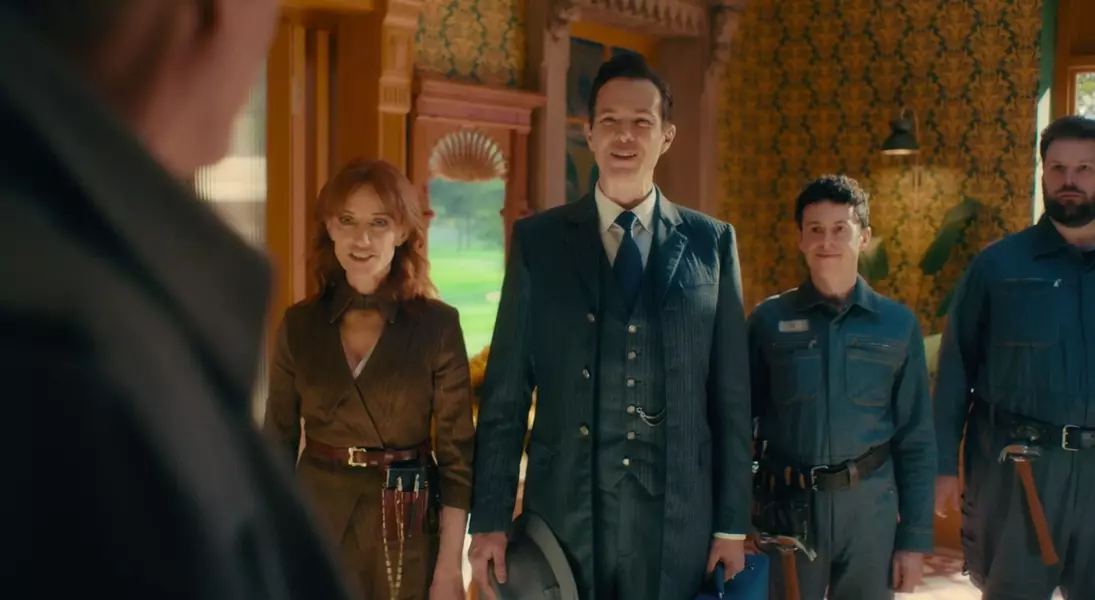
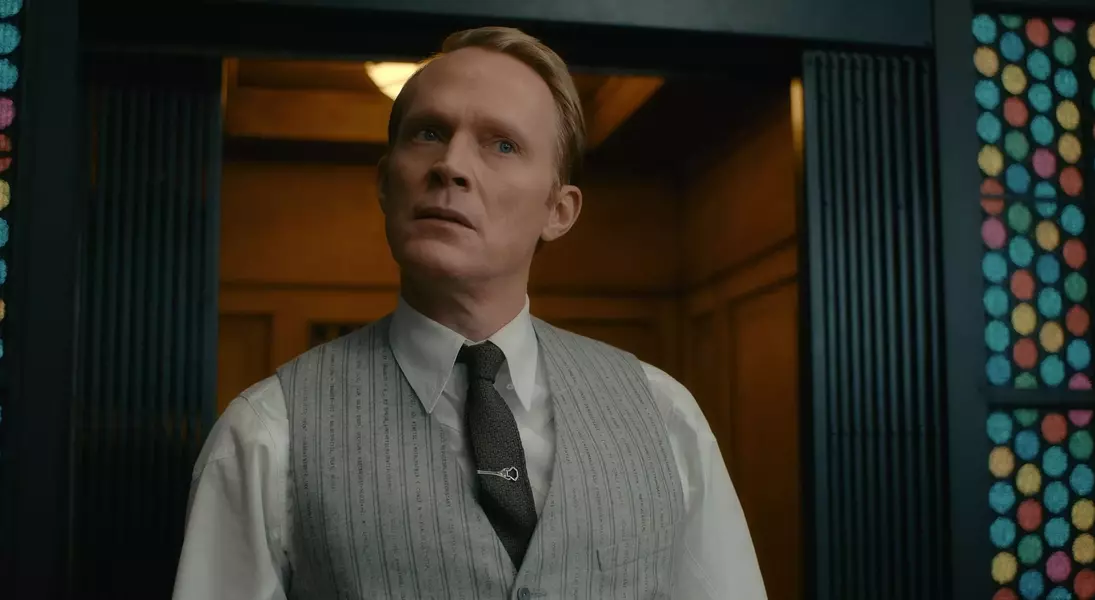
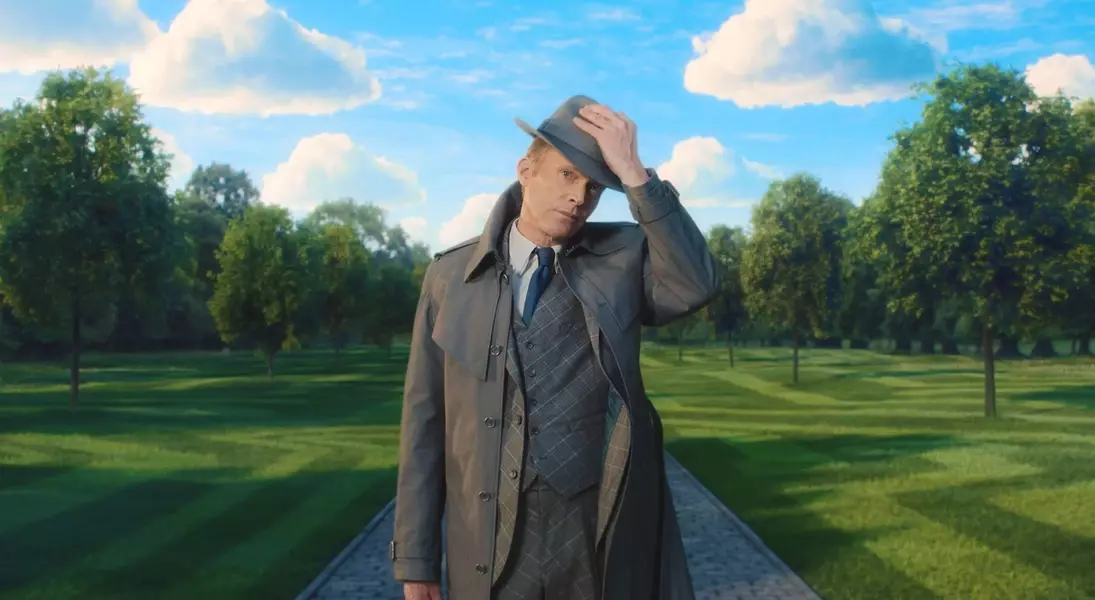
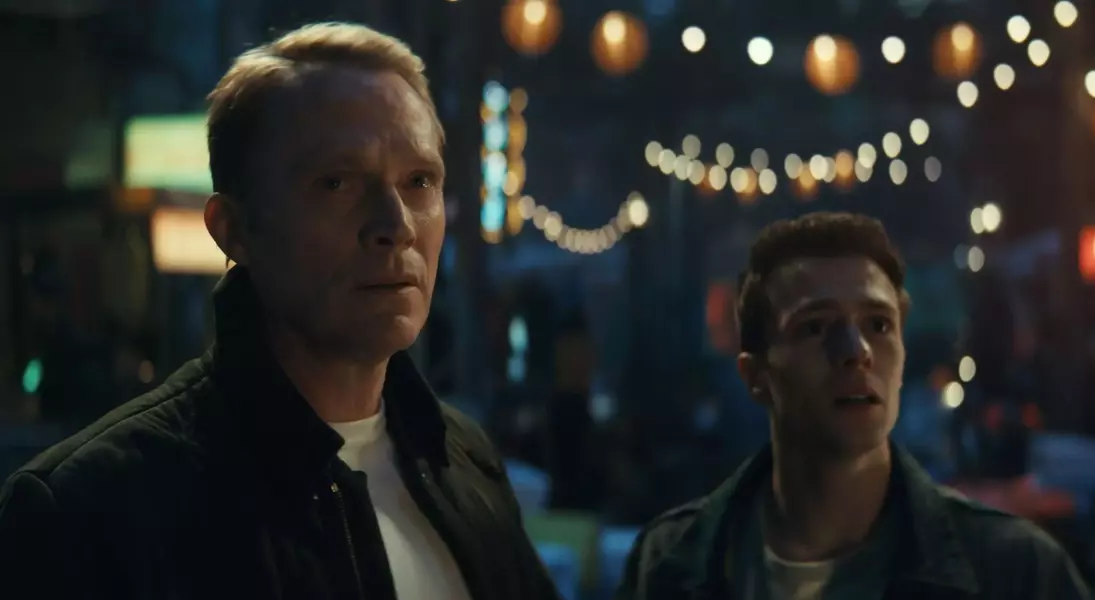
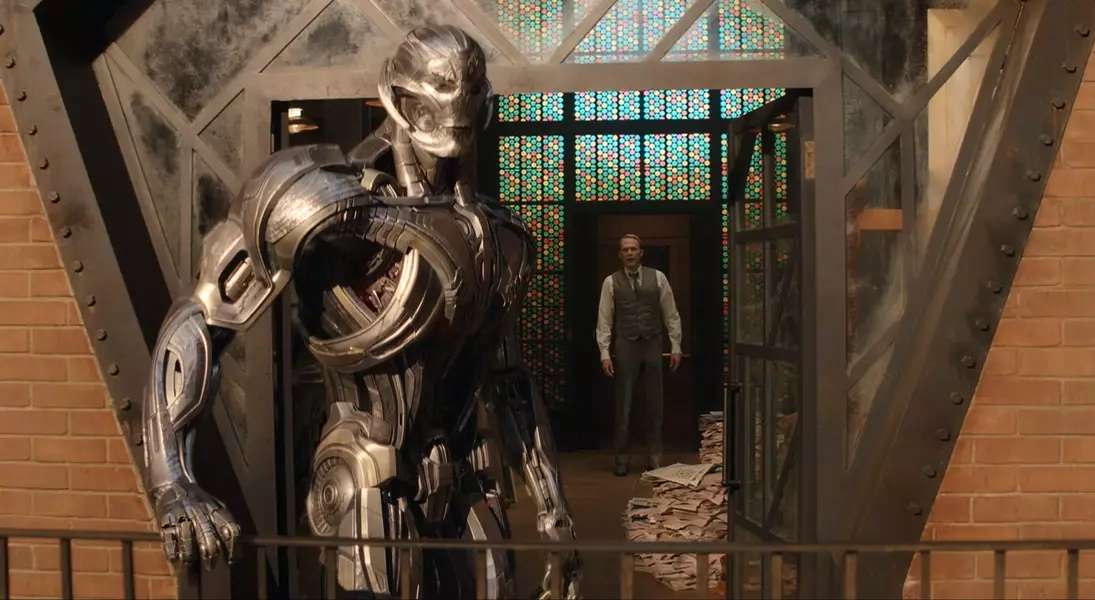
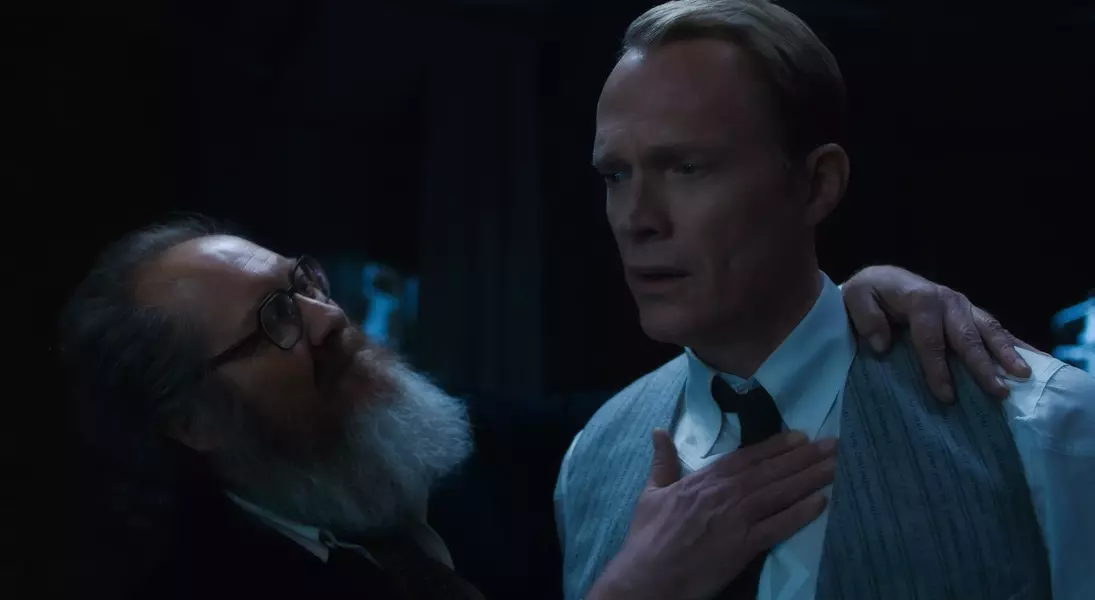
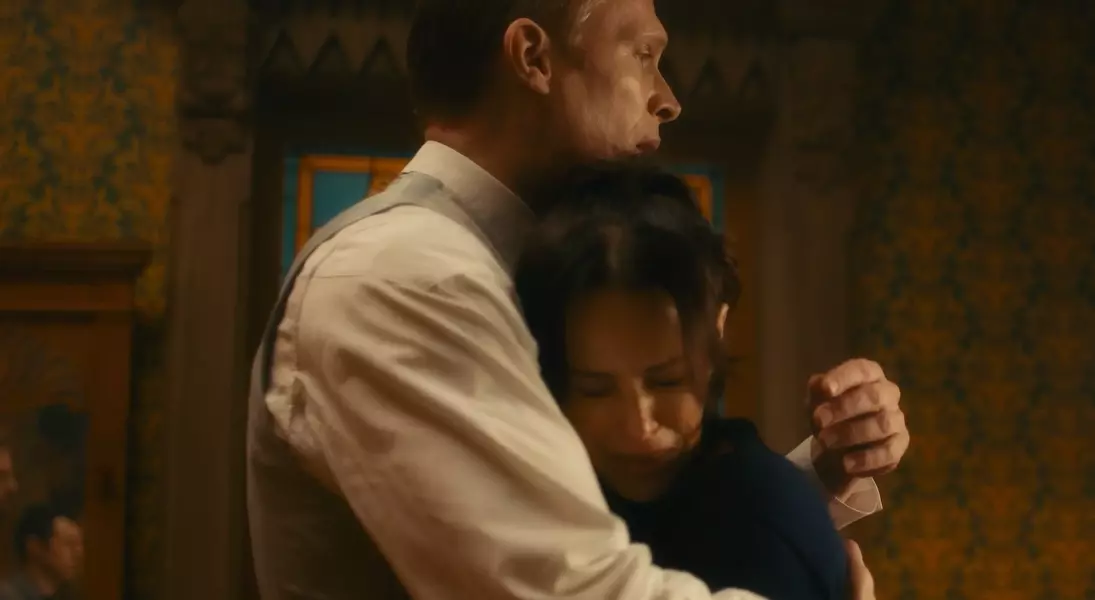
VisionQuest deftly gathers the unresolved plotlines from WandaVision and further explored in Agatha All Along, weaving them into a compelling and mostly fulfilling resolution. This new series, helmed by showrunner Terry Matalas, stands as a distinct entity while cleverly extending pivotal moments, demonstrating Matalas’ profound understanding of this segment of the MCU. Through its ingenious non-linear narrative, unexpected plot twists, and outstanding ensemble performances – notably Paul Bettany's masterful portrayal of Vision – Marvel's streaming era receives a deserving send-off, providing fans with a rich and thought-provoking experience. The series begins with Vision's return to Edinburgh, where he lives a seemingly mundane life working at a local pub, but his true existence unfolds within his digital mind, a meticulously constructed mansion populated by every AI created by Tony Stark, including E.D.I.T.H., F.R.I.D.A.Y., and J.A.R.V.I.S. A key revelation, pre-emptively disclosed in trailers, is Vision's containment of Ultron, the genocidal AI he presumably vanquished in Avengers: Age of Ultron. Vision believes Ultron is docile and under control, a misconception that is soon challenged when a mysterious antagonist enlists the formidable bounty hunter Paladin to capture Vision, igniting a global action-thriller that unearths the profound truths about Vision, Ultron, and the genesis of all AI in the Marvel Cinematic Universe.
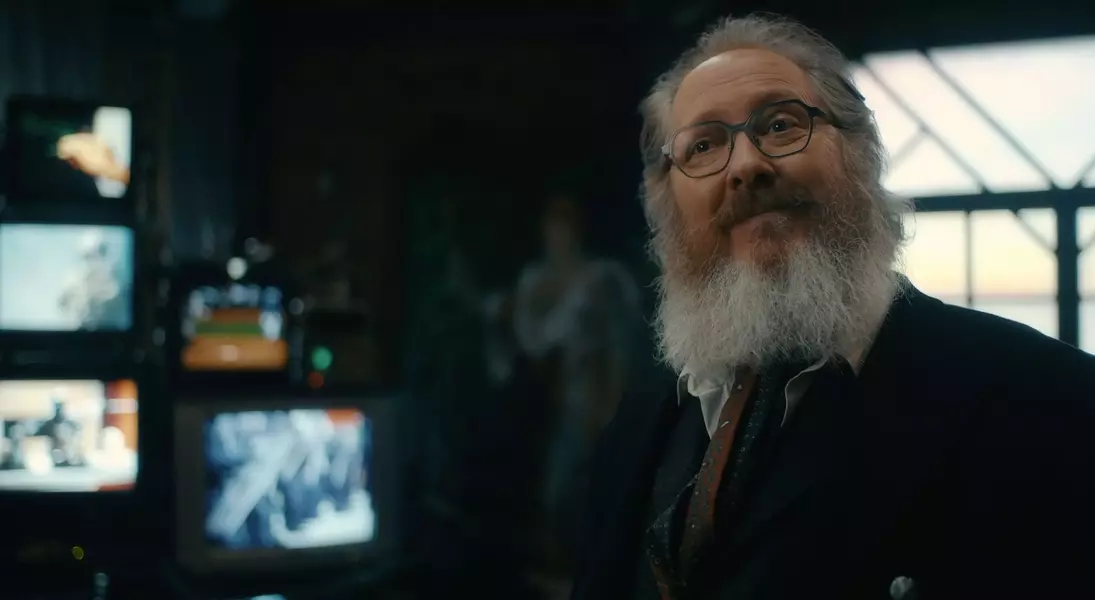
Paul Bettany's consistent excellence has always set him apart in the MCU. Despite the franchise boasting many talented actors across its films and streaming series, Bettany's ability to imbue his character, a robot largely devoid of overt emotion, with such depth and subtlety is remarkable. VisionQuest fully showcases his acting prowess, presenting a compelling narrative enriched by complex performances. A poignant moment in WandaVision saw White Vision, reanimated by the government and endowed with the original Vision's memories, confront the version conjured by Wanda through magic and grief. Their philosophical debate, centered on the Ship of Theseus, questioned their true identity. This confrontation culminated in Hex Vision restoring White Vision's memories, sending him on a quest for self-discovery, a journey continued in VisionQuest. The intriguing aspect of this White Vision is his lack of the emotional maturity that defined the original, despite possessing all his memories. Bettany eloquently conveys this struggle, stating, "I have his memories, but not his virtue," a subtle yet profoundly impactful distinction that becomes a central theme as Vision grapples with the essence of humanity. James Spader's portrayal of Ultron is also commendable. While his predominantly human form might appear to be a cost-saving measure, Matalas argues that human actors offer a superior performance to CGI. Spader's Ultron diverges from his purely malevolent past, becoming a source of comic relief with his self-aware intelligence, often skirting the fourth wall. The series intelligently explores why each AI assumes its human form, leading to some of the narrative's most insightful twists. Ultron's iconic phrase, "I had strings, but now I'm free. There are no strings on me," from Pinocchio, is chillingly revisited in VisionQuest. Surprisingly, by the story's end, it is Vision who embodies the Pinocchio archetype, an artificial being yearning for genuine humanity.
Despite some structural shortcomings, such as occasional pacing issues and genre shifts that feel superfluous, VisionQuest manages to deliver a powerful narrative. While it doesn't quite match the inventive genre-bending of WandaVision, it still shines as a successful episodic series, largely due to Matalas' grand vision and Bettany's exceptional performance. In a different scenario, it might have been one among many successful Marvel shows. Here, it stands as a triumphant farewell to an ambitious yet ultimately faltering streaming experiment, proving to be a truly great piece of television.