A recent referendum to reshape Virginia's congressional electoral districts narrowly passed, an outcome largely driven by significant voter support in the state's northern suburban areas. This success occurred despite a higher overall voter turnout observed in historically Republican-leaning regions. The nuanced results highlight evolving voting patterns within the state, indicating a potential revitalization of Democratic appeal among key demographic groups, including non-white and younger voters, which could reshape future political landscapes.
Virginia's Electoral Map Redrawing Secures Passage Amidst Complex Voter Trends
In a recent and closely watched referendum, Virginia successfully passed a measure to redraw its congressional maps, marking a significant moment in the state's political trajectory. The victory, secured by a narrow margin, was primarily propelled by substantial support emanating from the northern suburbs of Virginia, a region characterized by its affluence and a considerable population of federal employees.
This outcome presents a fascinating contrast to recent electoral history. For instance, in the 2024 elections, former Vice President Kamala Harris secured Virginia by approximately six percentage points. Similarly, Abigail Spanberger, the Democratic candidate for governor in 2025, won the state by a robust 15 points. However, the redistricting ballot measure, with its statewide margin of roughly three points in favor, actually represented a comparatively modest performance for Democrats when viewed against these prior successes.
A deeper analysis of the results uncovers compelling, and at times conflicting, voter behaviors that ultimately led to the referendum's passage. Northern Virginia, encompassing the prosperous areas surrounding Washington, D.C., demonstrated overwhelming approval for the measure. Support for the "yes" campaign in these areas, particularly in precincts with a majority non-white population, significantly outpaced the performance of Ms. Harris in 2024. This was notable even though these precincts recorded lower voter turnout compared to the rest of the state. Nevertheless, the referendum's margins did not quite reach the impressive levels seen by Ms. Spanberger in these same regions during the previous November.
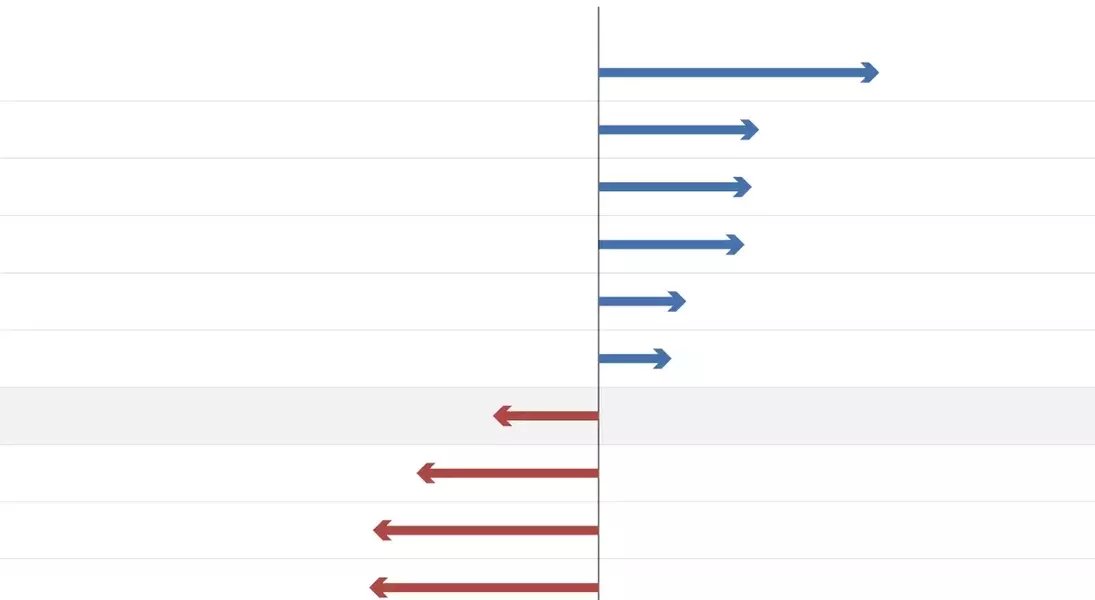
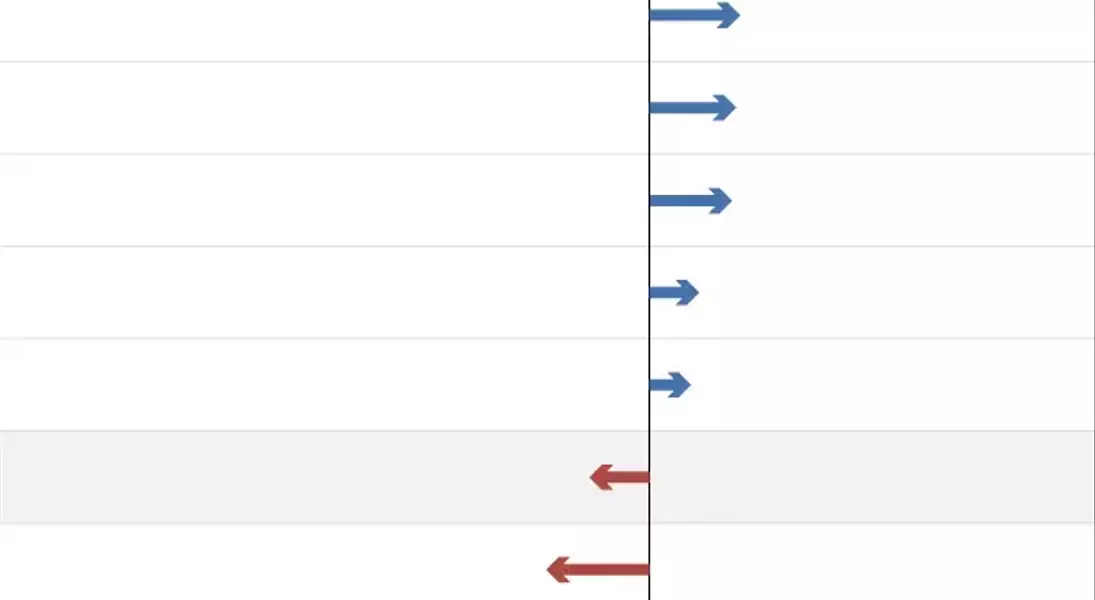
Furthermore, an examination of voting shifts across Virginia revealed that majority Black, Hispanic, young, and urban precincts exhibited the most substantial movements towards the "yes" campaign. These shifts are particularly noteworthy when contrasted with Ms. Harris's 2024 margins, where these demographic groups had shown signs of wavering support for the Democratic Party. The successful passage of this referendum, coupled with the results from other recent elections, could serve to assuage some concerns among Democrats regarding the long-term loyalty of their traditional coalition of non-white and young voters.
Reflections on Virginia's Shifting Political Sands
The recent approval of Virginia's redistricting initiative offers a profound insight into the fluid and dynamic nature of contemporary electoral politics. It underscores the critical role that localized political energy, even in areas with lower overall turnout, can play in shaping statewide outcomes. This referendum serves as a crucial case study, reminding us that electoral narratives are rarely monolithic; they are instead a complex tapestry woven from diverse demographic shifts, localized issues, and the strategic mobilization of various voter segments. For political strategists, the Virginia experience highlights the imperative of understanding granular voter behavior beyond broad statistical averages, suggesting that the future of political engagement lies in nuanced outreach and targeted messaging. Furthermore, it offers a glimmer of hope for parties grappling with shifting demographics, demonstrating that with the right approach, coalitions can be not only maintained but potentially reignited and strengthened.
