
Peanuts, though often mistaken for nuts, are actually legumes that offer a remarkable nutritional profile, making them a valuable addition to a Mediterranean-style eating plan. Packed with beneficial fats, plant-based protein, and dietary fiber, peanuts contribute positively to cardiovascular well-being, aiding in cholesterol management and blood sugar regulation. Their affordability and adaptability in various culinary applications further enhance the accessibility of a Mediterranean diet, dispelling the notion that healthy eating must be expensive or restrictive. By incorporating peanuts, individuals can enjoy a diverse range of flavors and textures while reaping significant health advantages.
The Mediterranean diet distinguishes itself from restrictive eating plans by emphasizing a pattern of increased consumption of fruits, vegetables, and whole grains, while moderating foods high in red meat, added sugars, and excessive sodium. Legumes, like peanuts, are a cornerstone of this dietary approach, providing a lean protein source rich in fiber and low in harmful saturated fats. An ounce of raw, unsalted peanuts offers approximately 160 calories, 7 grams of protein, 14 grams of total fat (with only 2 grams of saturated fat), and 2 grams of dietary fiber. They are also a good source of essential micronutrients such as folate and magnesium, contributing to overall health and satiety.
Beyond their basic nutritional content, peanuts are recognized for their anti-inflammatory properties and their role in improving heart health. Research indicates that consistent peanut intake can lead to reductions in cholesterol and blood pressure. These health benefits stem from their favorable fat composition and the presence of potent antioxidants, including phytosterols, phenols, stilbenes, lignans, and isoflavonoids. These plant compounds have been linked to protective effects against chronic diseases such as cardiovascular disease, type 2 diabetes, and certain forms of cancer, underscoring the comprehensive health advantages of integrating peanuts into one's diet.
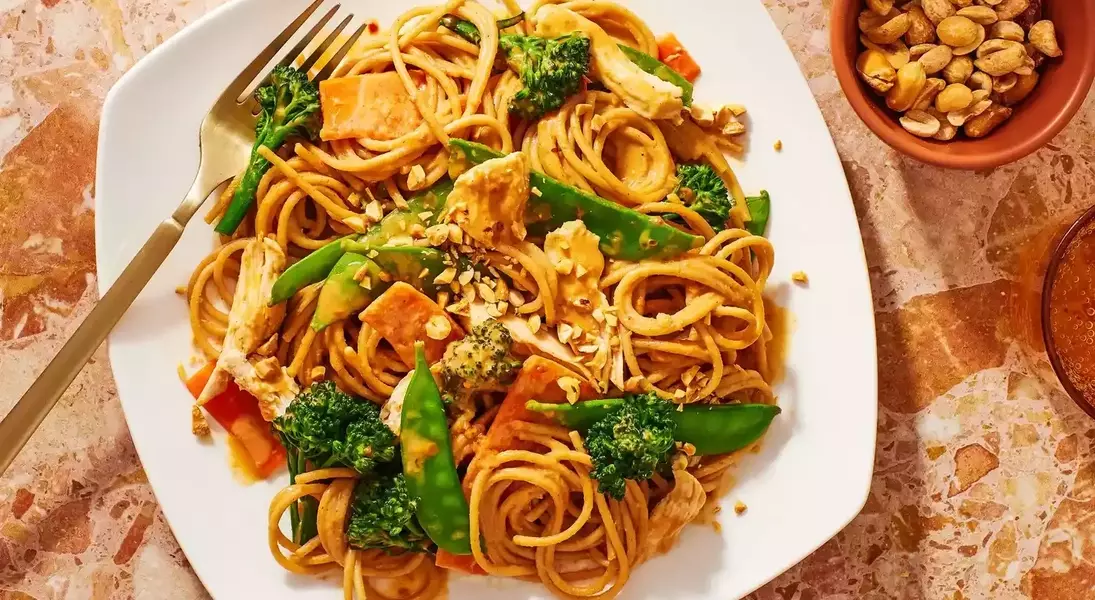
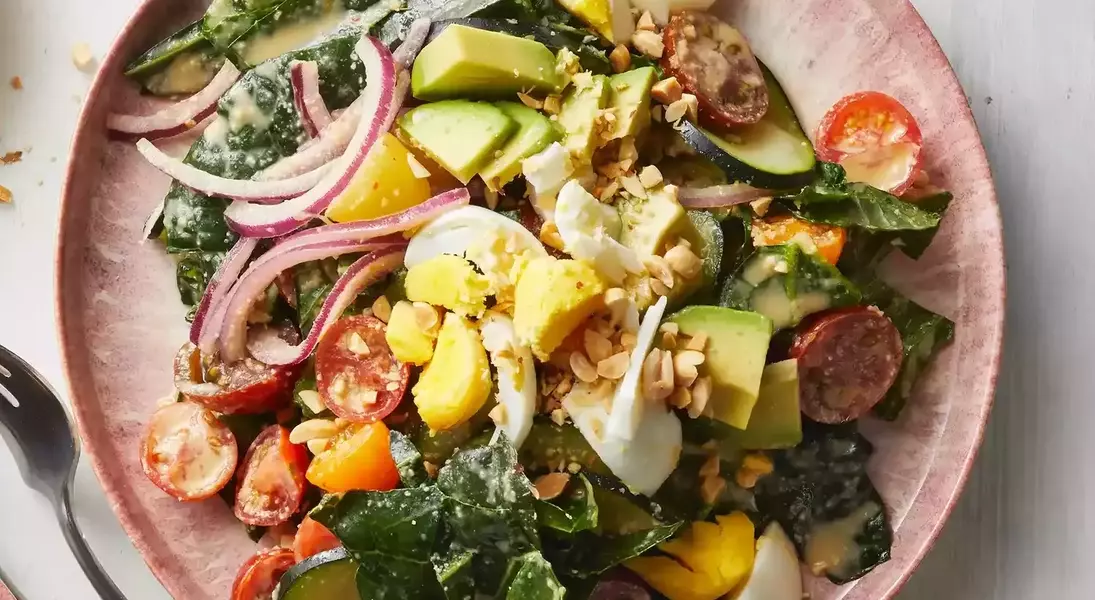
The culinary applications of peanuts are vast and varied, ranging from savory dishes to sweet treats. Whole peanuts can be incorporated into salads, such as a high-protein chopped salad with sriracha tofu and peanut dressing, or used as a crunchy garnish in dishes like Kung Pao Tofu or Kung Pao Chicken with Bell Peppers. Peanut butter, another pantry staple, serves as an excellent spread for toast or a base for flavorful dressings, marinades, and sauces, exemplified by the rich and creamy peanut sauce in Chicken Satay. It can also enrich hearty soups, like the Bolivian-inspired Quinoa Peanut Soup, adding a nutty depth and a protein boost. For those with a sweet tooth, peanut butter can be transformed into delicious desserts and snacks, from no-bake cookies to energy balls, allowing for better control over added sugar intake—a key principle of the Mediterranean diet.
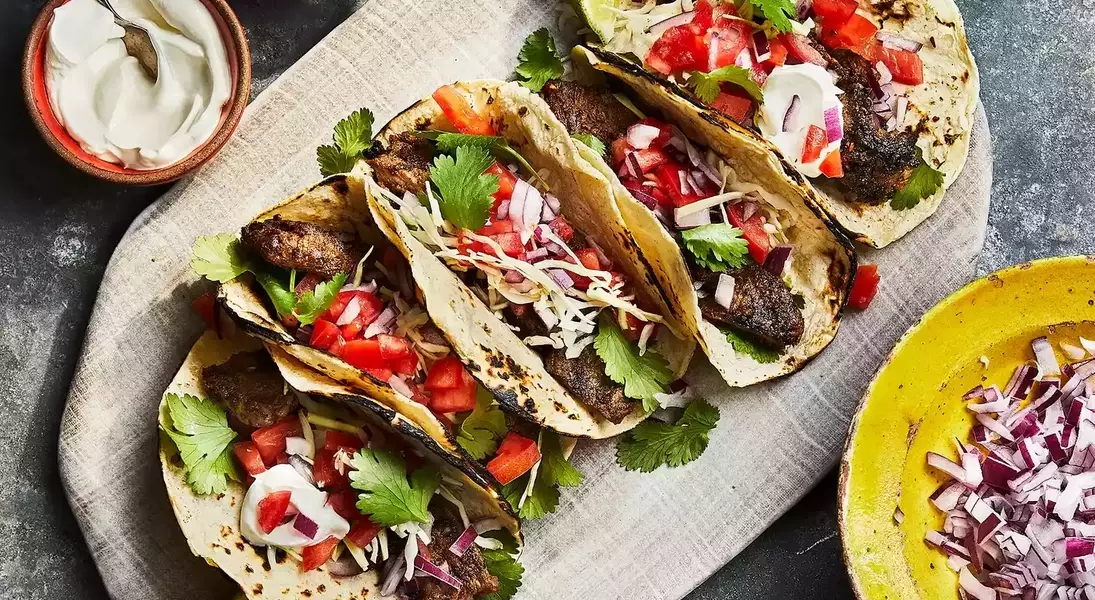
Peanut oil, extracted from the legume, is another valuable ingredient for cooking. While it differs from whole peanuts in terms of fiber and protein content, a tablespoon of peanut oil is a source of healthy unsaturated fats and vitamin E. Its high smoke point makes it ideal for high-heat cooking methods such as deep-frying and stir-frying, commonly found in dishes like Ebi Yakisoba or Vegan Pad Thai. It can also impart a distinct nutty flavor to meals, as seen in Beef Suya Tacos. The inclusion of peanut oil, even when preparing dishes like those with red meat (consumed in moderation within the Mediterranean framework), highlights the diet's flexibility and adaptability to diverse culinary traditions and personal preferences, contributing to its enduring popularity and long-term sustainability.
Peanuts stand out as a highly beneficial and adaptable ingredient that seamlessly aligns with the principles of the Mediterranean diet. Their rich blend of protein, fiber, and healthy fats not only promotes sustained fullness but also offers significant advantages for heart health and overall well-being. From global savory meals to homemade sweet confections, the versatility of peanuts allows for their effortless integration into various eating habits and cultural cooking styles, making healthy eating both enjoyable and attainable.
