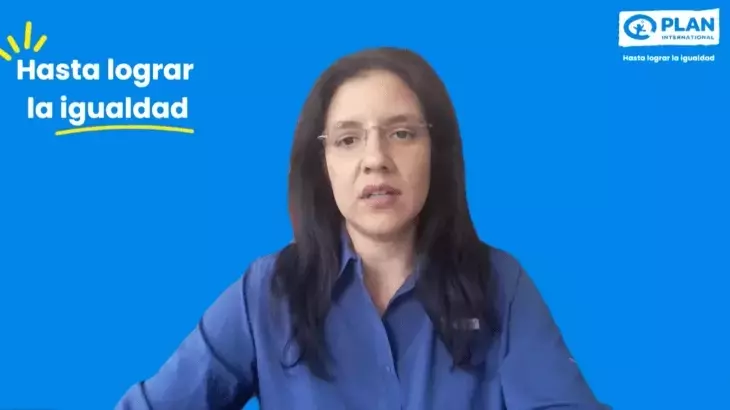
The recent devastating earthquakes in Venezuela have not only caused immediate physical destruction but have also inflicted a profound and lasting psychological toll on the affected population, particularly children and young people. Addressing this hidden crisis requires a comprehensive and sustained approach that extends far beyond the initial emergency response, focusing on the long-term well-being of survivors.
Urgent Call for Sustained Psychological Support in Venezuela Post-Earthquake
On June 26, 2026, Carmen Elena Aleman, the Regional Director for the Americas at Plan International, issued a compelling statement highlighting the critical necessity of prioritizing the mental health of children and young individuals in the aftermath of the Venezuelan earthquakes. Speaking from her extensive experience in humanitarian crises, Aleman underscored that while the immediate priority rightly remains the rescue of survivors and the provision of urgent aid, the psychological scars left by such catastrophic events can linger for many years, demanding equal, if not greater, attention. She urged for a child-centric approach to all recovery efforts, emphasizing that the emotional and psychological well-being of the younger generation is paramount for the nation's future resilience. Her remarks serve as a poignant reminder that disaster response must evolve to encompass not just physical reconstruction but also the rebuilding of shattered spirits and minds.
This crisis underscores the urgent need for a holistic disaster response framework that integrates mental health services from the outset. It highlights the importance of proactive measures to support vulnerable populations and the enduring impact of trauma, reminding us that true recovery encompasses both the tangible and intangible aspects of human suffering.
