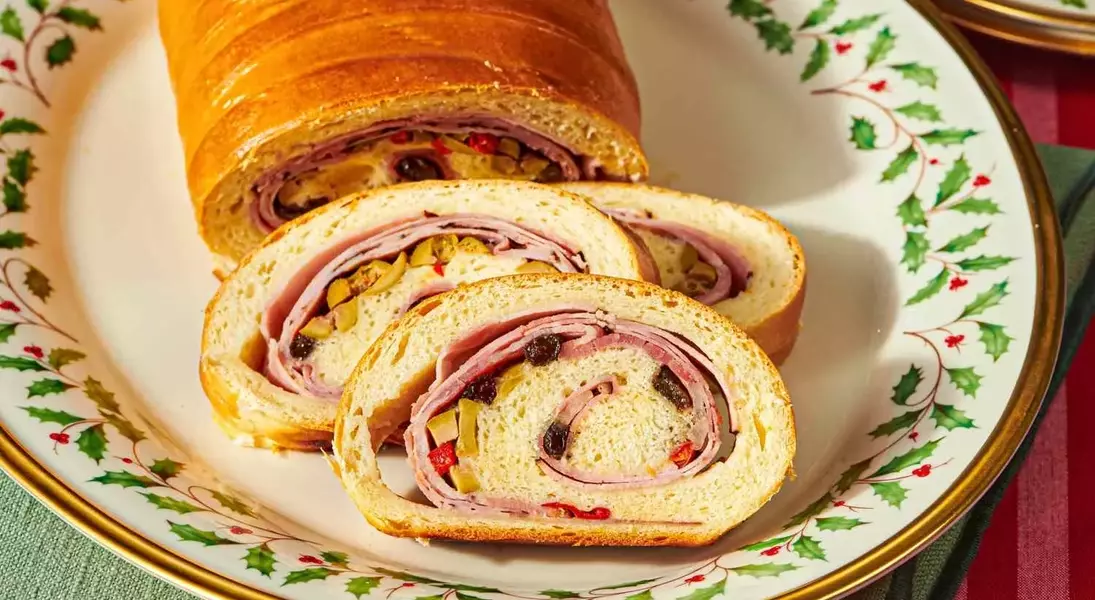
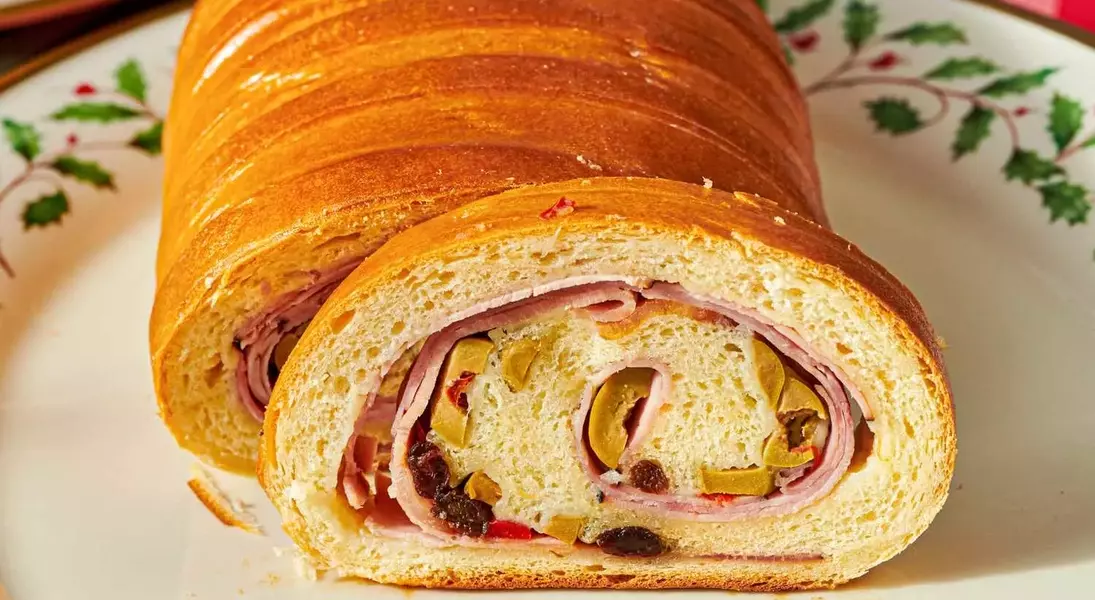
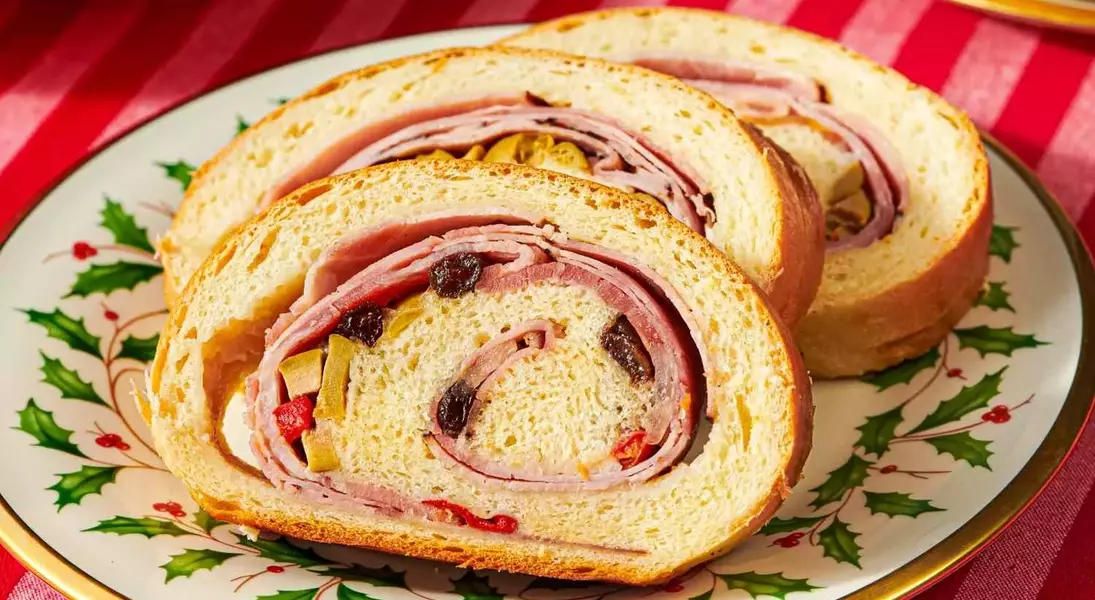

Pan de Jamón, a beloved Venezuelan Christmas tradition, is a delightful sweet-savory bread filled with ham, bacon, olives, and raisins. This particular recipe offers a scaled-down version, perfect for those who desire a single, generously sized loaf rather than the multiple loaves typically found in traditional recipes. The unique combination of flavors, along with careful dough preparation and specialized shaping techniques, ensures a tender crumb and a beautifully structured loaf that’s ideal for holiday tables. Its rich history, evolving from a simple ham bread to the complex flavor profile known today, reflects the cherished culinary heritage of Venezuela.
The meticulous process of creating this bread, from developing a robust dough to intricately filling and shaping it, is designed for both ease and exceptional results. Utilizing bread flour and precise hydration levels guarantees a dough that can support its ample fillings without compromising tenderness. Techniques such as pre-fermenting the yeast and allowing the dough to rest contribute to its strength and elasticity, making it manageable and enjoyable to work with. The thoughtful design of the loaf’s slitted edge, alongside proper ventilation during baking, masterfully prevents ruptures, yielding a perfectly baked bread that is as visually appealing as it is delicious.
Crafting the Perfect Pan de Jamón Dough
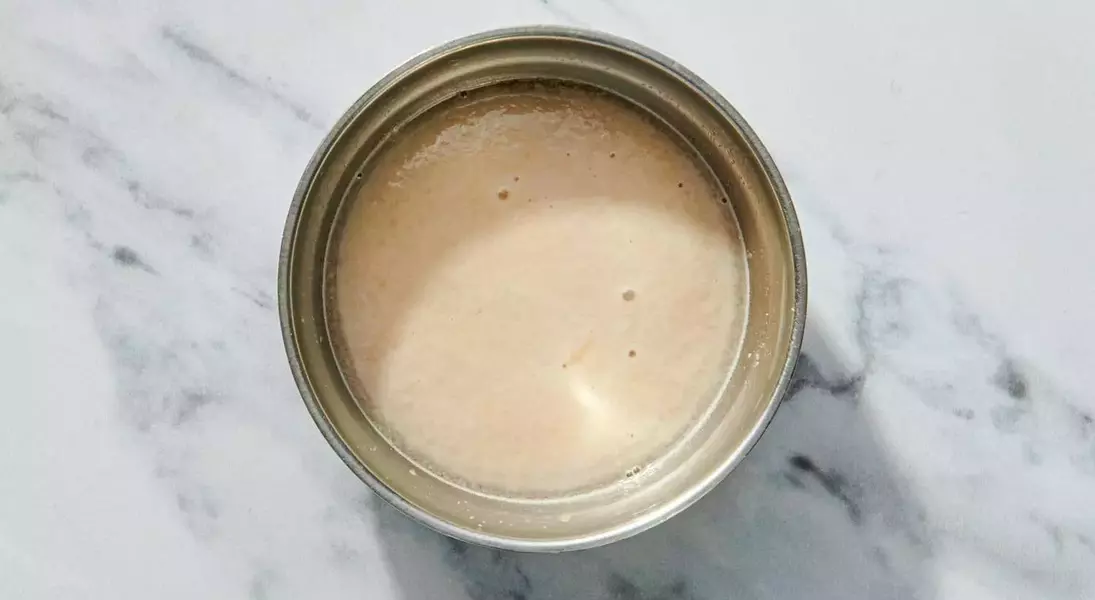
This Venezuelan Christmas Ham Bread recipe simplifies the traditional multi-loaf approach into a single, substantial loaf, ideal for more intimate holiday celebrations. The recipe incorporates specific techniques to ensure a perfect texture and flavor profile, such as dissolving instant yeast with sugar to kickstart fermentation, especially beneficial in enriched doughs where fats and sugars can slow yeast activity. A crucial step involves resting the dough after the initial liquid and flour mix, allowing for full hydration and gluten development before other ingredients are added. This method, combined with using bread flour for structural integrity, results in a dough that is both sturdy enough to hold a generous filling and tender upon baking, embodying the sweet-savory balance characteristic of Venezuelan holiday cuisine.
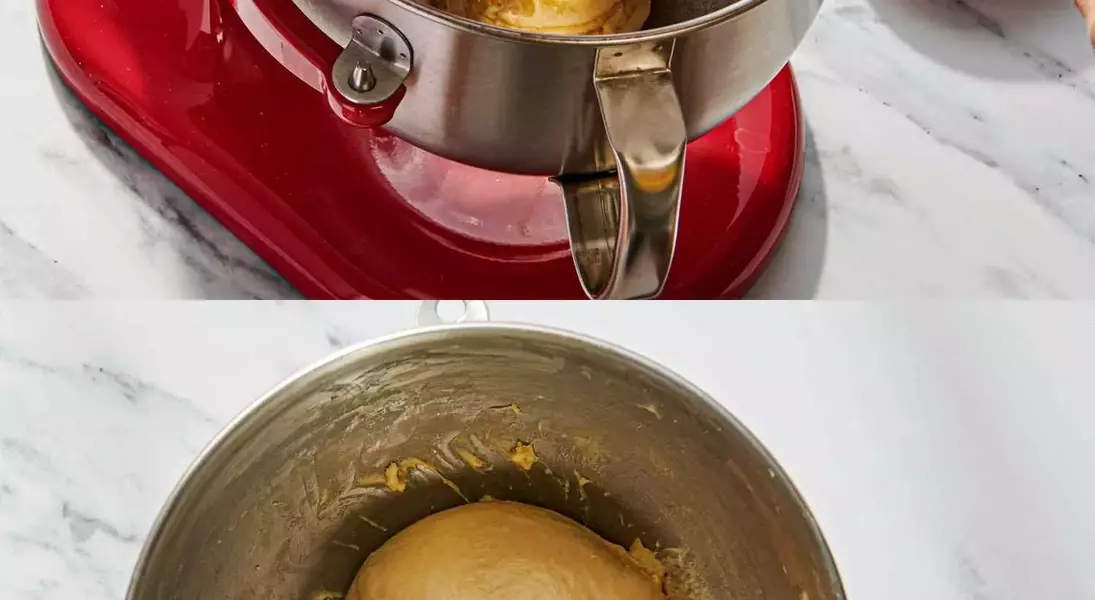
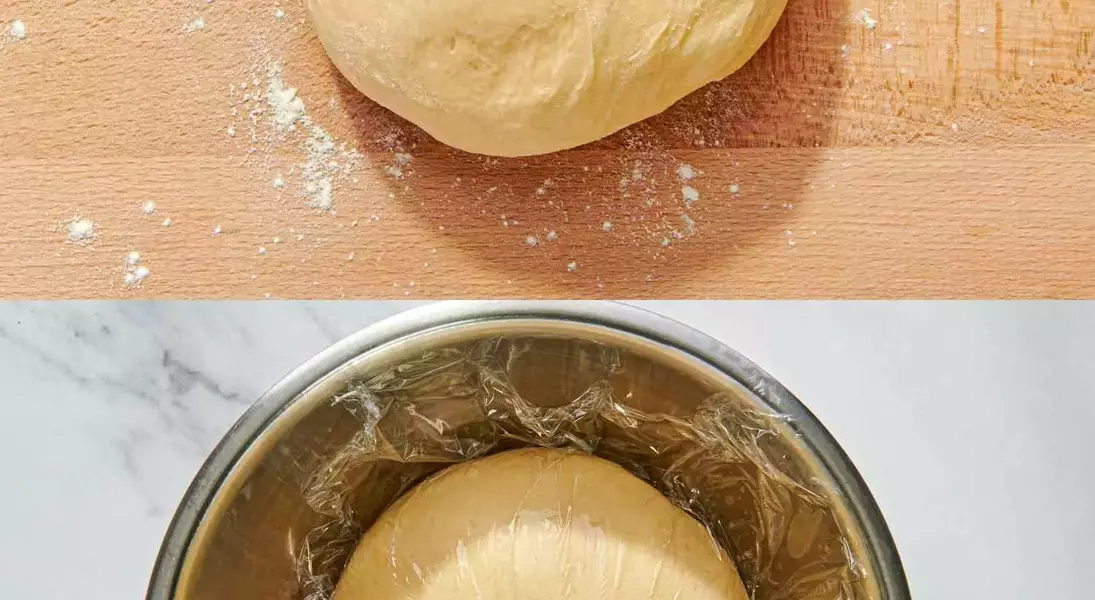
To achieve a resilient yet soft dough, the recipe employs bread flour, renowned for its higher protein content that creates a strong gluten network capable of supporting the rich fillings. The hydration level is carefully calibrated using a blend of water, milk, and egg, preventing the dough from becoming either too weak or too dense. After the initial mixing of flour, milk, and yeast, a 10-minute rest period allows the flour to fully absorb the liquids and begin forming gluten, simplifying the subsequent kneading process. Following this, butter, sugar, and salt are gradually incorporated, with continuous kneading for about eight minutes until the dough becomes smooth and elastic. The dough then undergoes a cold fermentation, resting in the refrigerator for at least two hours or up to 24 hours, which not only enhances its flavor but also makes it easier to handle during shaping, perfectly aligning with busy holiday schedules.
Assembling and Baking the Festive Loaf
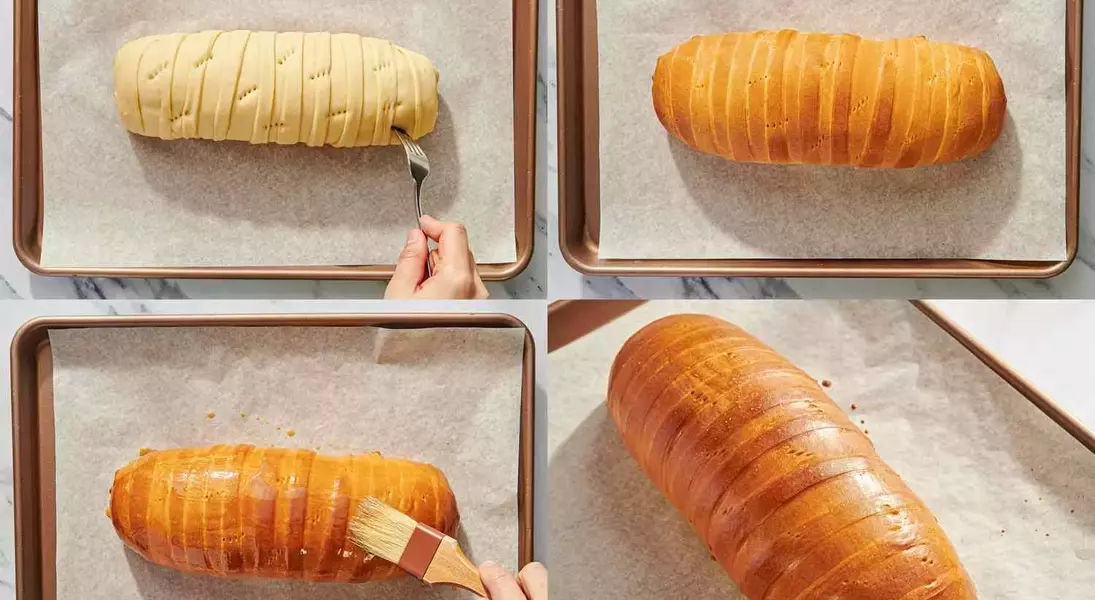
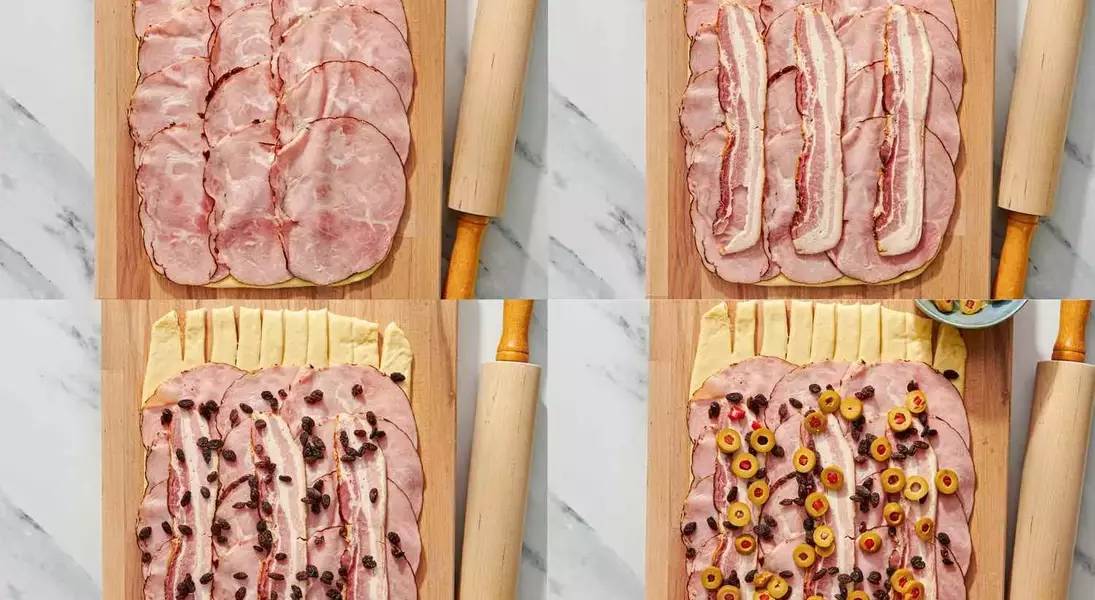
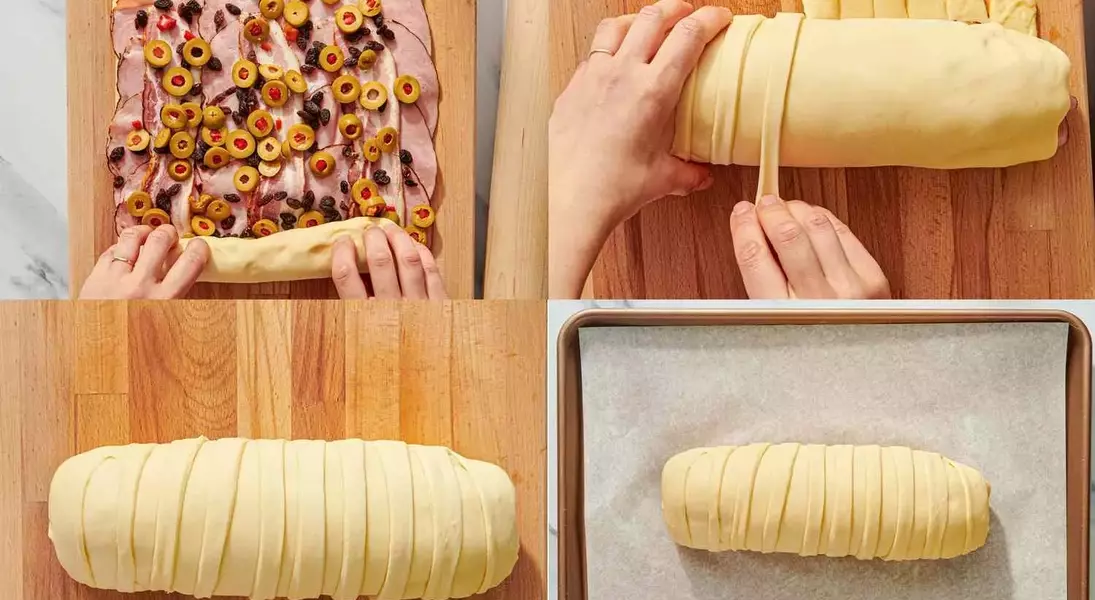
The filling for this Pan de Jamón stays true to its classic roots, featuring thinly sliced smoked ham for depth, bacon for a smoky richness, briny olives for a savory counterpoint, and sweet raisins that plump up and absorb juices during baking, ensuring a moist crumb. The loaf’s distinctive slitted edge serves both decorative and functional purposes; by cutting narrow strips along one side of the dough and folding them over the rolled loaf, a flexible seam is created. This innovative design allows the dough to expand gracefully during proofing and baking, acting as built-in expansion joints that prevent blowouts often seen in heavily filled breads. Prior to baking, the loaf is pierced with a fork to create small vents, enabling steam to escape and promoting an even rise while further guarding against ruptures, culminating in a beautifully shaped and perfectly baked Pan de Jamón that slices cleanly and looks unequivocally authentic.
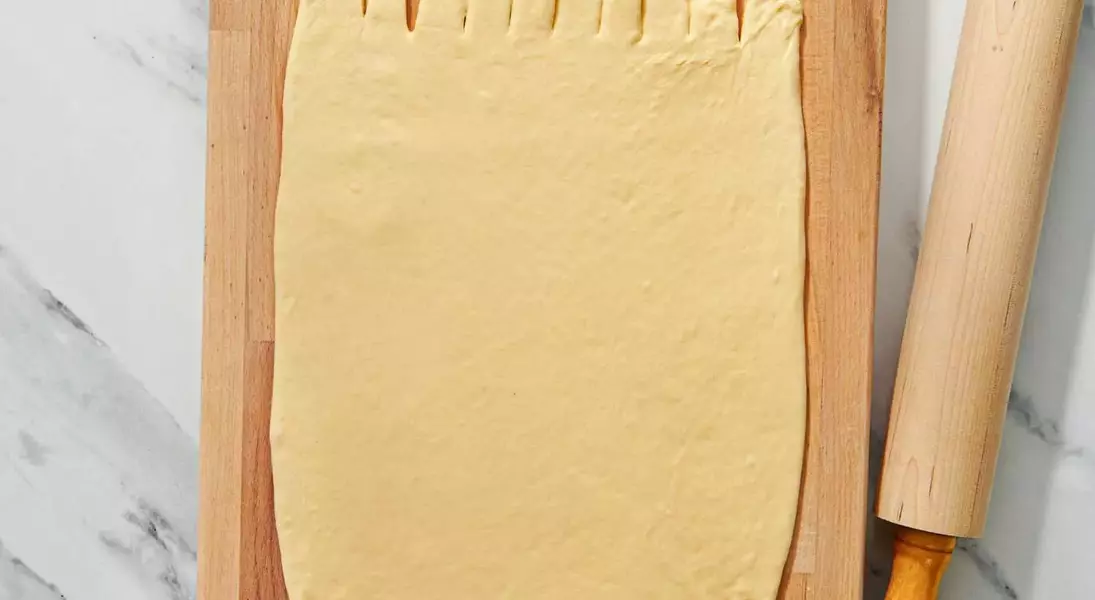
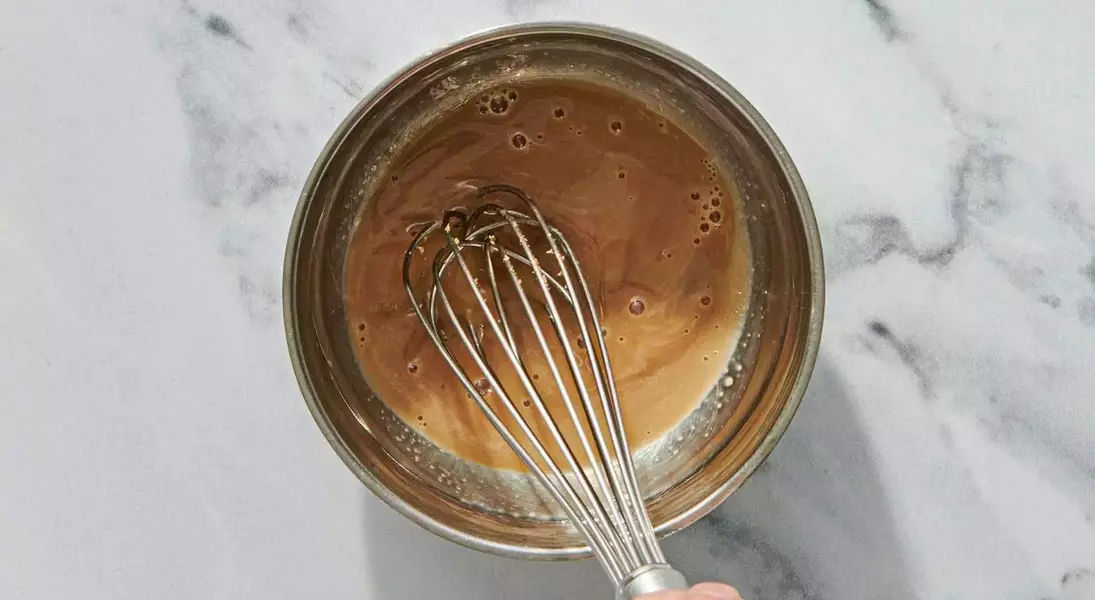
Once the dough has completed its first rise, it is gently deflated and rolled into a specific rectangular shape, with a 2-inch fringe created along one short edge. This fringe is critical for the loaf's structural integrity during baking. The filling ingredients—overlapping slices of ham, strips of bacon, and an even sprinkling of raisins and sliced olives—are then meticulously arranged over the dough, avoiding the fringed section. The dough is tightly rolled from the opposite edge, ensuring the filling is securely encased. The fringed strips are then carefully pulled over the rolled loaf and tucked underneath, creating a sealed yet flexible exterior. After a final warm proofing, the loaf is pierced numerous times with a fork to allow steam to escape, which is vital for preventing the bread from bursting in the oven. The bread is then baked until golden, brushed with a milk and papelón glaze for a rich color, and allowed to cool, resulting in a show-stopping loaf ready to be enjoyed warm or at room temperature, making every slice a celebration of Venezuelan holiday flavors and traditions.
