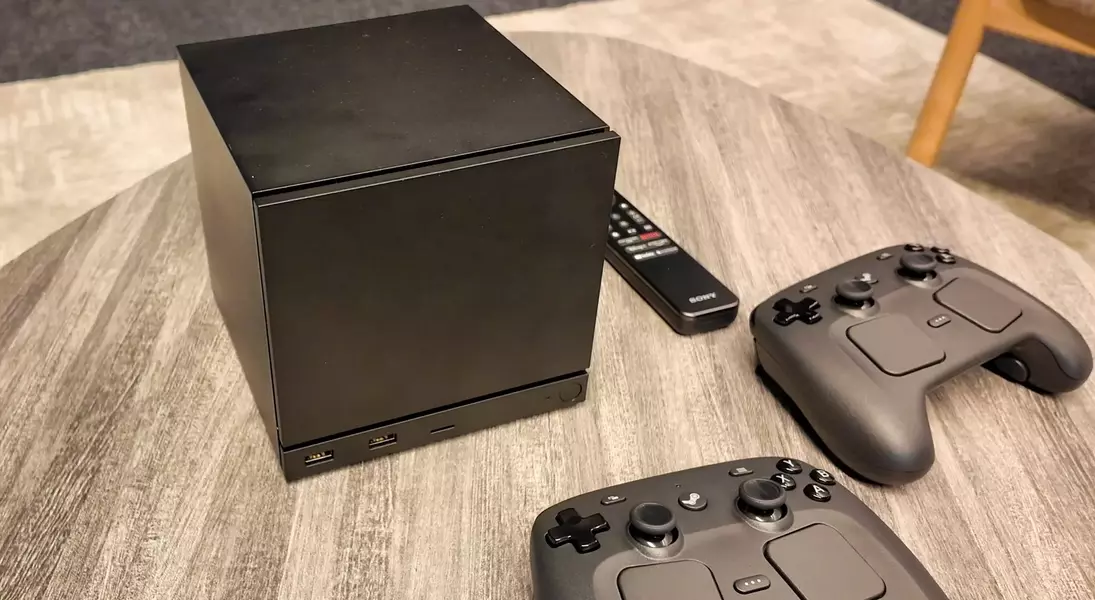
Valve's strategic decision regarding the Steam Machine's pricing, opting for a PC-like model rather than the common console practice of selling at a loss, has ignited discussions within the gaming industry. This approach suggests a departure from traditional console revenue generation, which often relies on initial hardware losses compensated by subsequent game sales. The Steam Machine, positioned as both a dedicated gaming device and a flexible personal computer, presents a distinct set of considerations for its market placement and the potential for user diversification beyond Valve's ecosystem. The ongoing debate highlights the complexities of hardware subsidization in a market where platform ecosystems and user engagement play crucial roles in overall profitability.
The choice to forgo hardware subsidization might stem from Valve's unique market standing and its established Steam platform. Unlike typical console manufacturers, Valve boasts a highly successful digital storefront that generates substantial revenue independently. This strong foundation potentially lessens the urgency to aggressively expand its hardware user base through loss-leading strategies. Furthermore, the inherent versatility of the Steam Machine as a PC means that a subsidized price could attract users primarily interested in its non-gaming functionalities, leading to a diminished return on investment if those users do not engage with the Steam platform for game purchases. This careful balancing act underscores Valve's deliberate approach to maintain control over its hardware's purpose and its alignment with the company's broader business objectives.
Valve's Non-Subsidized Hardware Approach
Valve's decision to price the Steam Machine comparably to a personal computer, rather than following the common console industry practice of selling hardware at a loss, has generated considerable discussion. This stance indicates that the company does not intend to absorb initial hardware costs with the expectation of recouping them through software sales, a strategy frequently employed by console manufacturers to rapidly expand their user base and ecosystem. The move reflects a distinct business philosophy, prioritizing direct profitability on hardware and potentially targeting a different segment of the gaming market compared to traditional consoles. This approach implies a confidence in the Steam brand and its platform's ability to attract users without the incentive of heavily discounted entry-level hardware, positioning the Steam Machine as a premium PC-grade device rather than a mass-market console.
This pricing strategy introduces an interesting dynamic given the Steam Machine's hybrid identity. While it functions as a dedicated gaming console for the living room, its underlying architecture is that of a standard PC. This dual functionality means that a user could theoretically purchase a Steam Machine, install a different operating system, and utilize it for various non-gaming PC tasks, bypassing Valve's ecosystem entirely. In such a scenario, any subsidization on Valve's part would effectively be funding the usage of its hardware for purposes unrelated to its core business of game sales on Steam. The company's refusal to sell at a loss therefore safeguards against this potential exploitation, ensuring that hardware sales directly contribute to its bottom line. This decision also suggests that Valve may not be driven by the same imperative as traditional console makers to achieve massive market penetration, possibly content with a more niche, dedicated PC gaming audience.
Industry Perspective on Valve's Market Strategy
Prominent figures in the gaming industry, such as Michael Douse, the publishing director of Larian Studios (known for titles like Baldur's Gate 3), have openly questioned Valve's non-subsidization strategy for the Steam Machine. Douse argues that the potential short-term loss from subsidizing each unit by approximately $200 would be more than offset by the long-term revenue generated from increased user engagement with the Steam storefront. He likens the Steam platform to a "money printing machine," implying that a larger installed base of Steam Machine owners would inevitably lead to a significant boost in game purchases and overall ecosystem participation. This perspective highlights a common belief in the console market: that an accessible entry price is crucial for cultivating a vibrant user community and securing sustained profitability through software and service sales.
Douse's critique underscores the prevailing industry model where hardware is often seen as a gateway to a profitable software ecosystem. However, Valve's unique position as the operator of the dominant PC digital game distribution platform distinguishes it from conventional console manufacturers. Unlike Sony or Microsoft, Valve's primary revenue stream is not solely tied to hardware sales or even specific first-party titles, but rather to the vast catalog of games available on Steam. This might lead Valve to a different calculation, where maintaining the perceived value and profitability of its hardware is more important than aggressive market share capture. It suggests that Valve may not aspire to the same scale of hardware operations as console giants, possibly preferring the Steam Machine to remain a specialized, high-quality option for PC gamers who value its versatility and integration with their existing Steam libraries, rather than becoming a ubiquitous living room device.
