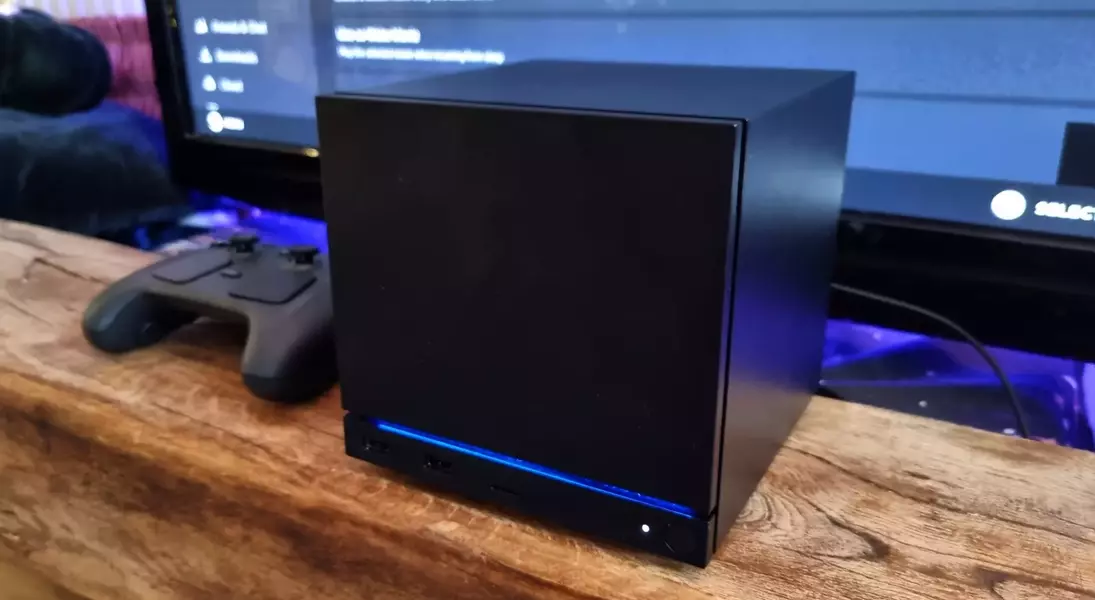
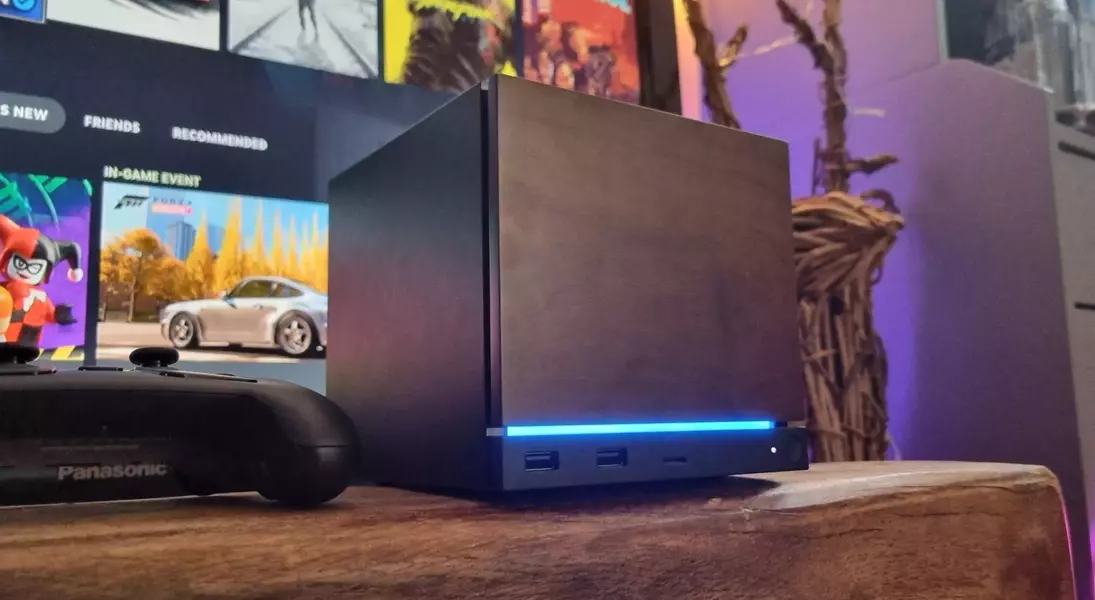
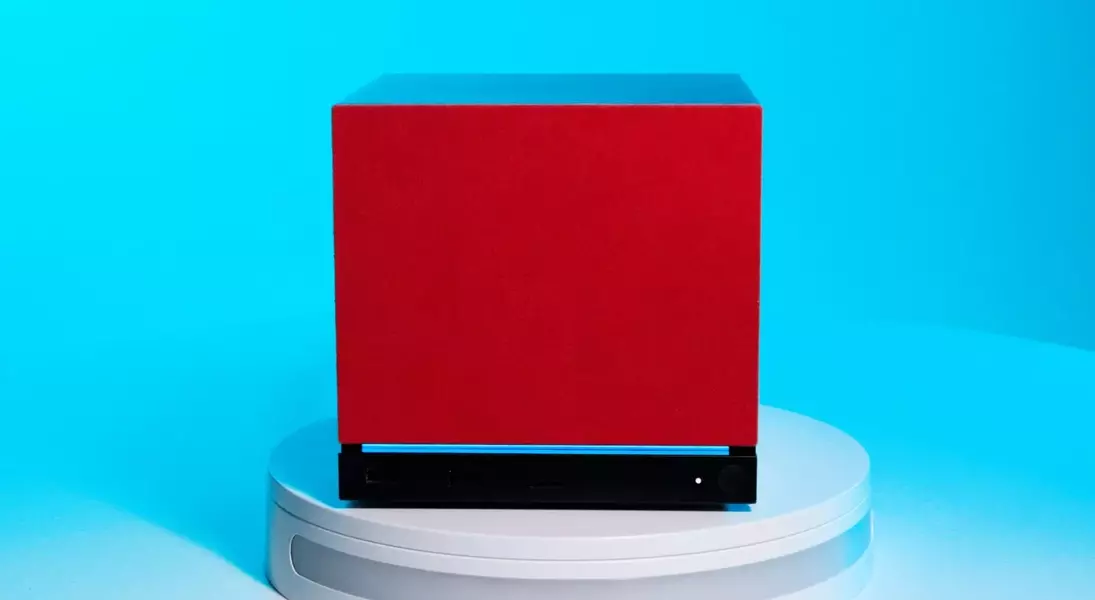

Valve has officially launched its Steam Machine, a PC-based gaming console, with an initial price point of $1,049. This cost, higher than anticipated, is attributed to ongoing supply chain issues impacting computing components, particularly those driven by artificial intelligence advancements. The company has articulated a clear stance against subsidizing the hardware, distinguishing itself from traditional console manufacturers like Nintendo who often sell devices at a loss to generate revenue through software and services.
Valve emphasizes its dedication to open systems, asserting that such an approach ultimately benefits both the company and its users. It highlights that the open nature of the personal computer ecosystem has historically fueled innovation in both hardware and software, as it allows anyone with a novel idea to contribute. This principle guides their decision not to artificially lower the Steam Machine's price, despite market pressures. Valve believes that offering subsidies or exclusive content leads to more restrictive environments, limiting consumer choice and potentially stifling creativity within the industry.
The company explicitly rejects the notion of the Steam Machine as a traditional console, precisely because it seeks to avoid the pitfalls of a closed ecosystem. They argue that selling hardware below cost, a common console strategy, is a short-term business tactic that can lock users into proprietary systems. Instead, Valve envisions the Steam Machine as just one of many options available to gamers, encouraging users to select hardware based on their needs rather than feeling compelled by artificial market manipulations. This philosophy aligns with Valve's broader efforts to promote open platforms, such as its contributions to Linux gaming through Steam Deck and SteamOS development.
While Valve champions an open market, it is important to critically examine its position. The company operates a dominant PC game distribution platform, Steam, which imposes a 30% commission on game sales—a higher rate than some competitors. This fee structure can significantly impact developers and publishers, especially given Steam's near-monopoly in the PC gaming market. If these commission rates were lower, the landscape of available games on Steam might be considerably different, potentially offering more diversity and competitive pricing for consumers. Therefore, while Valve's commitment to open systems is laudable, its business practices warrant a nuanced perspective.
