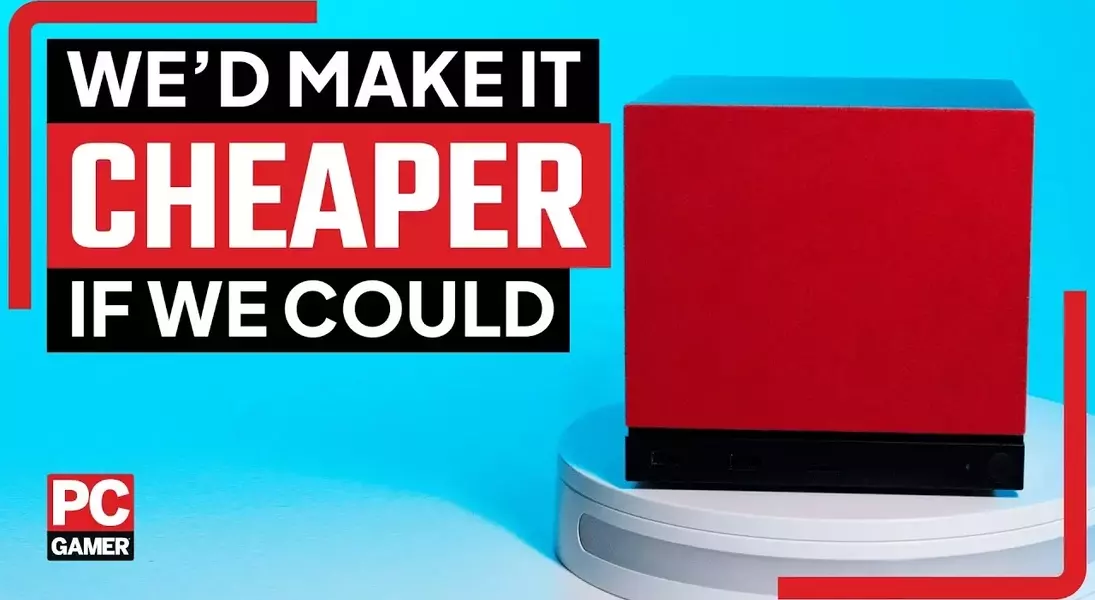
The introduction of Valve's latest computing device, the Steam Machine, has generated significant discussion, particularly concerning its initial price point. With the most affordable configuration starting at $1,049, many prospective purchasers, who might have otherwise been early adopters, are reconsidering their options. This elevated cost is attributed, in part, to a current scarcity in memory components.
In interviews, Valve engineers Yazan Aldehayyat and Pierre-Loup Griffais acknowledged the price as a contentious issue. When asked about a single desired change for the Steam Machine, both promptly pointed to the price. They highlighted the intense negotiations required to secure even a modest quantity of memory and storage, a stark contrast to the ease of procurement just a year or two prior. Despite these challenges, Valve maintains satisfaction with the device's design, though they admit to a natural bias and welcome user feedback. A minor improvement suggested for future iterations was the inclusion of additional peripheral connections.
Valve's stance against subsidizing the Steam Machine's cost is rooted in its dedication to an open platform, diverging from a more restrictive ecosystem. For consumers seeking a more budget-friendly route, Valve has made it possible to convert existing personal computers into Steam Machines, provided they utilize an AMD graphics card. This option became viable with the release of SteamOS 3.8, allowing the operating system to be installed on non-Valve hardware.
This situation underscores the intricate balance between innovation, market economics, and consumer accessibility in the tech industry. While high prices can deter potential customers, they often reflect underlying production costs and a commitment to specific product philosophies. Valve's approach offers an alternative path for enthusiasts, promoting adaptability and customization within the gaming community.
