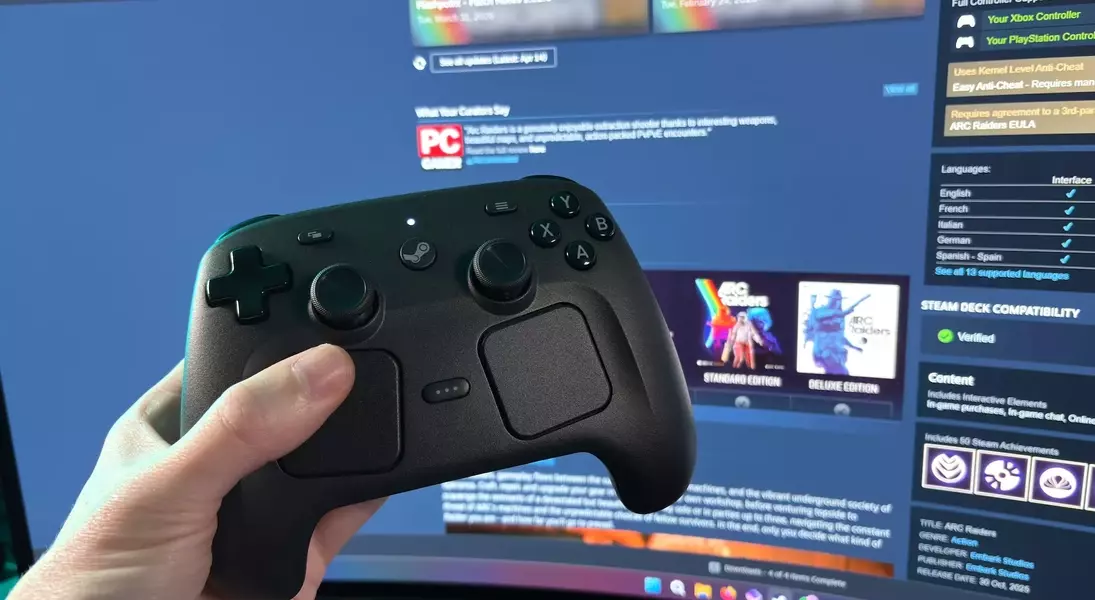
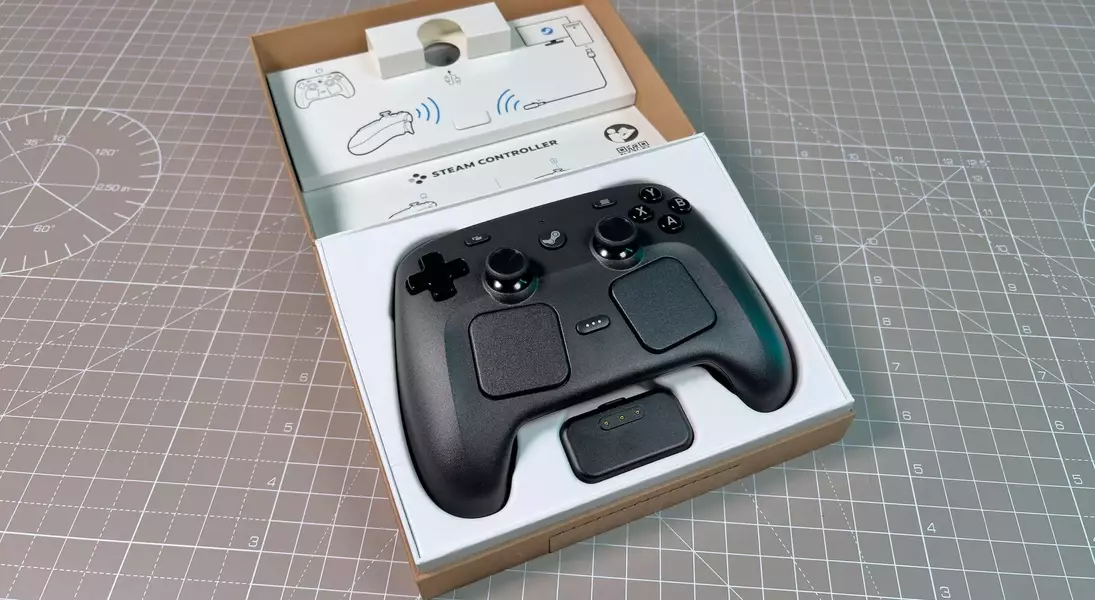
Valve has announced the reintroduction of a reservation system for its highly sought-after Steam Controller. This strategy, previously proven effective with the Steam Deck, aims to streamline the purchasing process and curb the rampant issue of third-party reselling at exorbitant prices. The company hopes this will provide a more equitable and less frustrating experience for eager consumers.
Valve Implements Reservation System for Steam Controller to Combat Resellers
In a significant move to address widespread consumer frustration, Valve is rolling out a reservation system for the Steam Controller. This new initiative, which went live on May 8th, is a direct response to the chaotic launch where the controller quickly sold out, leading to resellers charging two to three times the retail price on platforms like eBay. Valve acknowledged the difficult experience for many potential buyers, stating that while they were pleased with the high interest, the purchasing process was incredibly frustrating for consumers.
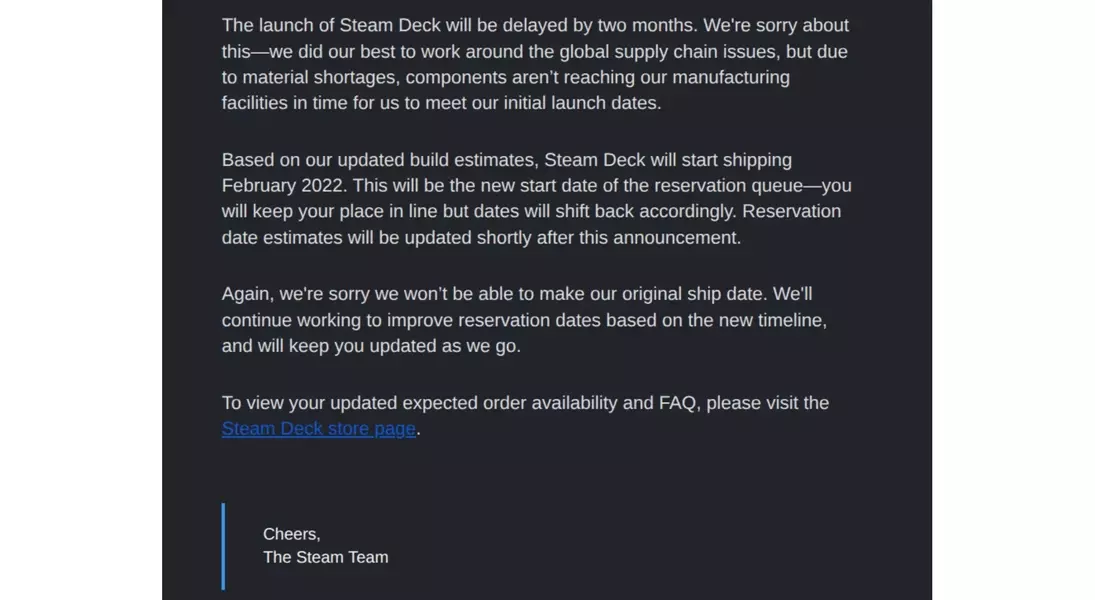
The company confirmed that it plans to continuously restock the controller and has introduced this reservation model to improve the buying experience and limit reseller activity. This strategy mirrors the successful launch of the Steam Deck, which, despite initial delays due to global supply chain issues, managed to navigate a period of significant economic challenges. Consumers who reserved a Steam Deck experienced a structured waiting period, culminating in a guaranteed purchase, a stark contrast to the frenzied, often fruitless attempts to acquire other high-demand products like the PlayStation 5.
The previous method of securing new tech often involved signing up for numerous alerts, participating in daily online scrambles, and sometimes even resorting to paid subscriptions for early notifications, only to face quick sell-outs and inflated prices. Valve's reservation system offers a more orderly alternative, eliminating the need for customers to compete with bots and resellers in a high-stakes online race.
This proactive measure from Valve could set a precedent for future hardware launches, including anticipated products like the Steam Frame and Steam Machine. These devices are expected to generate similar levels of demand, and a well-managed reservation system could prevent similar market exploitation. While predicting supply and demand remains challenging, as noted by supply chain experts, a reservation model allows companies to better manage expectations and delivery timelines, ensuring a smoother experience for the end-user.
The implementation of a reservation system for the Steam Controller is a welcome development for consumers. It demonstrates Valve's commitment to prioritizing a fair and accessible purchasing experience over succumbing to market speculation. This approach not only protects consumers from inflated prices but also fosters a more positive relationship between the company and its dedicated user base. In an era where advanced bots and AI continue to complicate product launches, a structured reservation system offers a refreshing and necessary solution for acquiring highly anticipated technology.
