
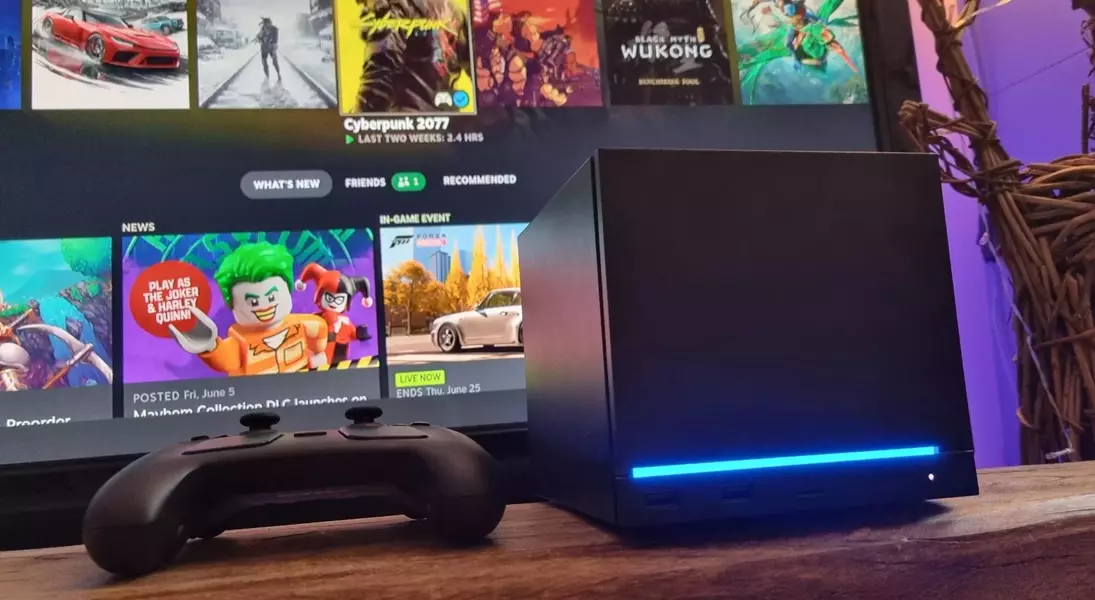
Valve's ambitious venture into gaming hardware, notably the Steam Deck and Steam Machine, faces considerable obstacles. Initially conceived to democratize PC gaming, these devices are now grappling with escalating production expenses. A key factor in this surge is the intense demand for computing components driven by the booming artificial intelligence sector. This economic pressure has translated into higher retail prices, particularly for the Steam Deck OLED, raising questions about Valve's long-term strategy for making PC gaming more universally appealing.
Previously, Andy Edser from PC Gamer reported on a noticeable decline in Steam Deck sales, referencing analysis by Boiling Steam. While the precise figures remain debatable, the underlying concern about the device's market trajectory is palpable. When Valve's CEO, Gabe Newell, contributed significantly to OpenAI years ago, he likely didn't foresee that the subsequent AI surge would complicate his company's hardware manufacturing plans.
In May, the Steam Deck OLED saw a considerable price adjustment, with the 1TB model increasing from $649 to $949 and the 512GB version from $549 to $789. Valve attributed these changes to the "current state of component costs and other global logistical challenges," implicitly acknowledging the impact of AI data centers absorbing critical hardware components. This shift transformed the Steam Deck OLED from an accessible entry-point for new PC gamers into a luxury item, accessible primarily to a more affluent demographic.
Anticipation for the Steam Machine was high, with hopes that Valve might circumvent the component crisis to deliver an affordable living room PC. However, these expectations were dashed. The Steam Machine, now known to be expensive and in limited supply, carries a minimum price tag of $1,049, far exceeding initial projections of around $600 for November 2025. This pricing makes it prohibitive for many potential buyers, including those who were keenly interested at a lower price point. As noted by Andy Edser in June, the Steam Machine appears to be a significant casualty of the "RAMpocalypse," a term reflecting the severe impact of memory component shortages.
The muted launch of the Steam Machine, primarily through a waitlist system, further underscores its struggles. Even Valve's own compatibility tools on Steam don't fully integrate the Steam Machine, requiring users to check under Steam Deck compatibility. Game developers are also largely silent about Steam Machine support, in stark contrast to their active engagement with the Steam Deck. These external market forces have severely undermined the viability of these products, a regrettable but evident reality.
Despite these challenges, the Steam Deck continues to perform well in Valve's revenue charts, frequently appearing among the top-grossing products. This success, though partly influenced by its higher price compared to typical games, demonstrates continued consumer interest. However, the broader vision of the Steam Deck and Steam Machine fundamentally altering perceptions of PC gaming by offering a simpler alternative to traditional consoles now seems unlikely. The significant market changes over the past few months, coupled with the existential pressures on console competitors like Xbox and PlayStation, highlight the profound impact of the hardware crisis on Valve’s once-promising initiatives.
