Valve has issued a comprehensive development update for its invite-only MOBA game, Deadlock, clarifying that despite recent significant advancements, a public release is not imminent. The company maintains its commitment to an iterative development process, engaging players early to refine the game's core mechanics and ensure a high-quality experience. This approach prioritizes robust development over a swift launch, reflecting Valve's philosophy for building successful multiplayer titles.
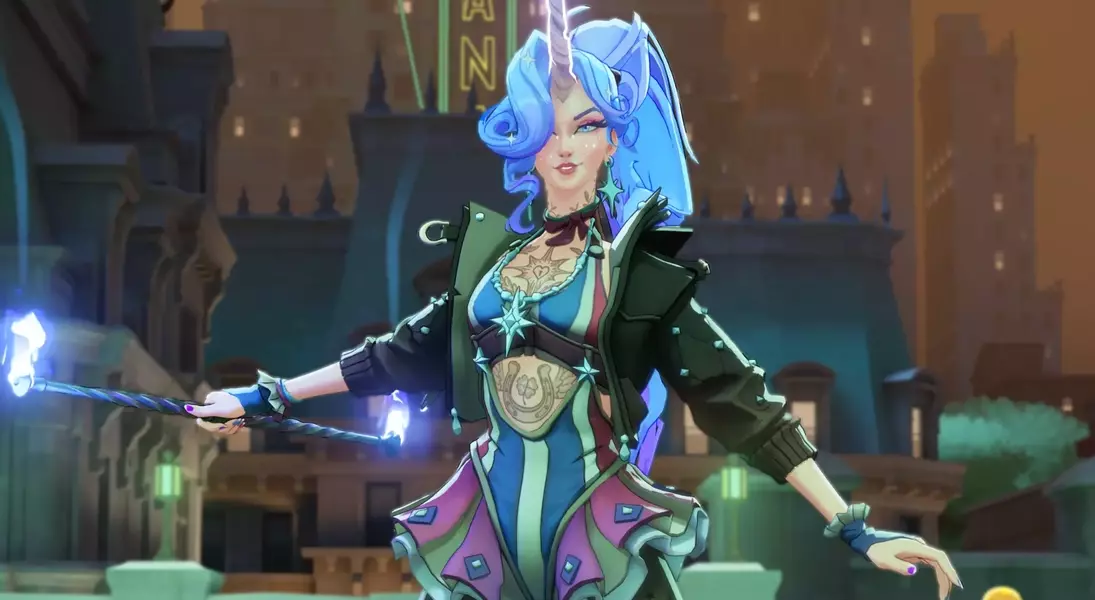
Earlier this year, Deadlock saw a substantial update, dubbed "Old Gods, New Blood," which introduced six new heroes, numerous visual enhancements, and a new game mode. This update was extensive enough that some observers speculated the game was nearing its next developmental phase, potentially leading to an early access launch. The level of polish observed in various game elements, including the map and core systems, suggested a maturity beyond typical unfinished titles in early access. However, Valve has reiterated that these updates are part of an ongoing internal development cycle, not a precursor to immediate public availability.
In their latest communication, Valve explained that the team initially focused on specific areas of the game but has since shifted to parallel development across multiple facets. This strategy aims to address various aspects concurrently, including hero customizations, hideout features, and progression systems. These elements are considered crucial for long-term player engagement and are subject to extensive player feedback before final implementation. The company highlighted that features like hero cosmetics and new game modes are actively being worked on, but their final form will largely depend on internal playtesting results.
Furthermore, Valve hinted at more "speculative" developments, such as extensive item reworks and additional game modes that could broaden the game's scope. Among these potential additions is a rumored PvE mode, reportedly being developed by former Risk of Rain creators. While these concepts show promise, their inclusion in the final game is contingent on positive playtesting outcomes. Visual updates for older heroes, originally slated for the later stages of early development, are now being integrated into upcoming updates, signifying a continuous refinement process. This strategic shift underscores Valve's dedication to meticulous development, ensuring that Deadlock evolves into a polished and engaging title based on thorough evaluation and player input.
Valve's current strategy for Deadlock emphasizes a deliberate, player-feedback-driven development cycle, moving away from segmented updates to a more integrated approach. The team is concurrently refining various game elements, from hero cosmetics and progression systems to new game modes. This commitment to comprehensive development and iterative improvement means a public release will only occur when Valve deems the game sufficiently polished and fun. Prospective players should anticipate a continued period of internal testing and refinement, with no clear timeline for a broader launch.
