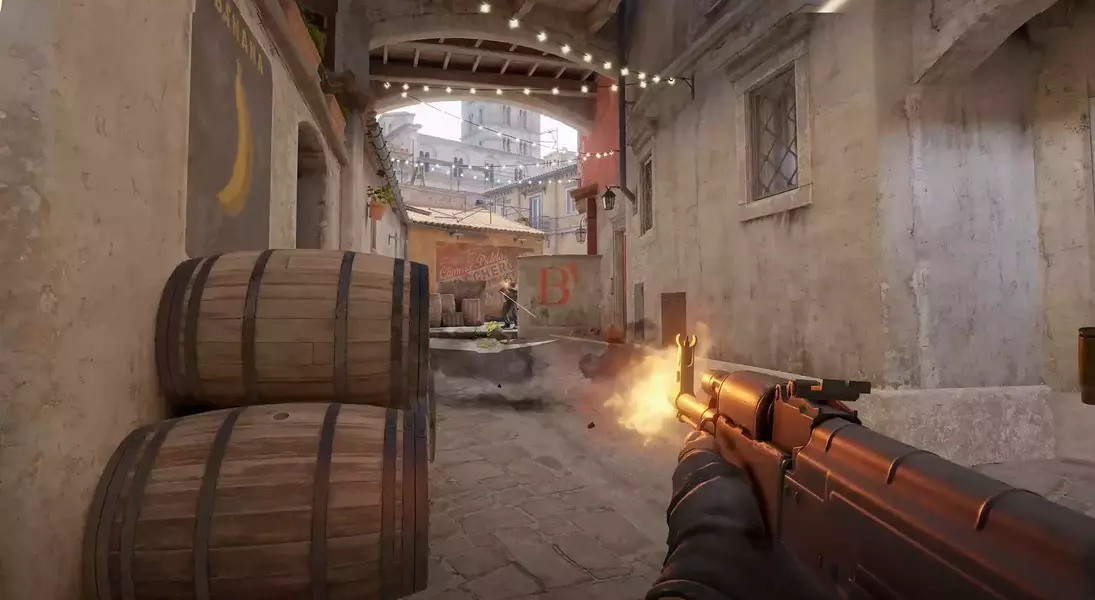
Valve has recently rolled out a pivotal update to its widely popular first-person shooter, Counter-Strike 2, fundamentally altering how firearms are reloaded. This modification mandates that any unspent bullets within a magazine are discarded upon reloading, compelling players to adopt a more deliberate and tactical approach to managing their ammunition during engagements. The developer's intention is to elevate the strategic significance of the reloading decision, moving away from the previous system where remaining ammunition was simply returned to an infinite reserve. This change has ignited considerable discussion within the Counter-Strike community, with opinions sharply divided between those who welcome the enhanced realism and strategic depth, and others who find it an unwelcome deviation from established gameplay norms.
Valve Redefines Reloading in Counter-Strike 2, Igniting Community Discourse
In a move that has sent ripples through the competitive gaming world, Valve, the renowned developer of the tactical shooter Counter-Strike 2, announced a substantial overhaul to the game's reloading mechanics on a Wednesday via an update posted on Steam. This pivotal adjustment dictates that when a player reloads their weapon, any ammunition still present in the partially used magazine will be irretrievably lost. Previously, unspent rounds were automatically returned to a player's infinite reserve, allowing for frequent and consequence-free 'topping off' of magazines. The development team articulated that this change aims to instill greater stakes and strategic consideration into the act of reloading. Consequently, most weapons will now be allocated three full magazines for reserve ammunition, though certain weapon types may see adjustments to encourage either efficiency or suppressive fire. This significant gameplay alteration has been met with a spectrum of reactions from the global player base. While some enthusiasts laud the introduction of enhanced realism and the necessity for more calculated decisions, a vocal segment of the community has expressed considerable dissatisfaction. Feedback on platforms like Steam indicates that many players are not only resistant to this new mechanic but are also suggesting that Valve prioritize other areas for improvement, such as the game's anti-cheat systems. Despite the initial backlash, the long-term impact of this change remains to be seen, as Counter-Strike's history is replete with features that have been introduced, debated, and occasionally reversed, underscoring the game's ever-evolving nature over its quarter-century legacy.
This latest update from Valve serves as a powerful reminder of the delicate balance developers must strike between innovation and player expectation, especially within established competitive titles. The decision to make reloading a high-stakes action forces players to adapt their muscle memory and strategic thinking, potentially opening up new avenues for skillful play and tactical depth. However, it also highlights the challenge of introducing significant changes to a beloved game without alienating a loyal fanbase. It underscores the ongoing dialogue between developers and their communities, where feedback, both positive and negative, is crucial in shaping the future evolution of these digital arenas. Ultimately, only time will reveal whether this bold modification becomes an accepted and celebrated part of Counter-Strike 2's identity or if community sentiment will eventually lead to its reconsideration.
