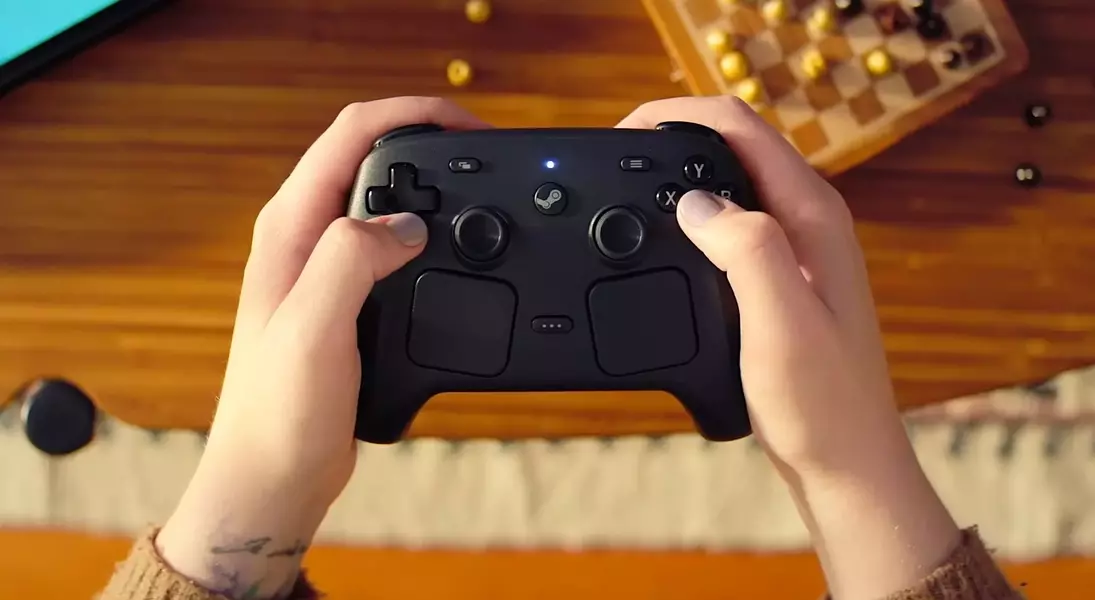
Valve has announced significant changes to its pre-order process for the highly sought-after Steam Controller. After an initial rapid sell-out, the company is implementing new measures to enhance the purchasing experience for legitimate customers and to counteract the activities of resellers. This revised strategy, set to begin on May 8th, will introduce a reservation queue, stricter eligibility criteria, and regional phased availability, reflecting Valve's commitment to ensuring fair access to its hardware.
Valve Revamps Steam Controller Pre-Order Process Amid High Demand
On Thursday, Valve officially unveiled its updated approach for acquiring the $99 PC gamepad, the Steam Controller. The initial release saw units disappear within approximately 30 minutes, prompting Valve to reassess its distribution strategy. A new round of pre-orders will commence on Friday, May 8th, at 10 a.m. PDT / 1 p.m. EDT, utilizing a reservation queue system. Customers will secure a spot in line and will be notified via email when their controller becomes available, with a 72-hour window to complete their purchase on Steam. Notably, each customer will be limited to purchasing one Steam Controller, and those who have already acquired one will be ineligible for further reservations. Furthermore, Valve mandates that prospective buyers possess a Steam account in “good standing” and must have completed a purchase on the platform prior to April 27, 2026. This policy echoes a similar one adopted during the Steam Deck pre-order phase in 2021. Inventory replenishment will proceed on a regional basis, with reservations opening next week in the United States and Canada, followed by the United Kingdom, Europe, and Australia in subsequent weeks.
The challenges encountered with the Steam Controller's initial release provide valuable insights for Valve's future hardware launches, such as the upcoming Steam Machine. By implementing more stringent pre-order protocols, Valve demonstrates a proactive stance in mitigating reseller impact and ensuring a more equitable distribution process for its highly anticipated products. This iterative learning approach is crucial for building consumer trust and fostering a positive buying experience within the competitive gaming hardware market.
