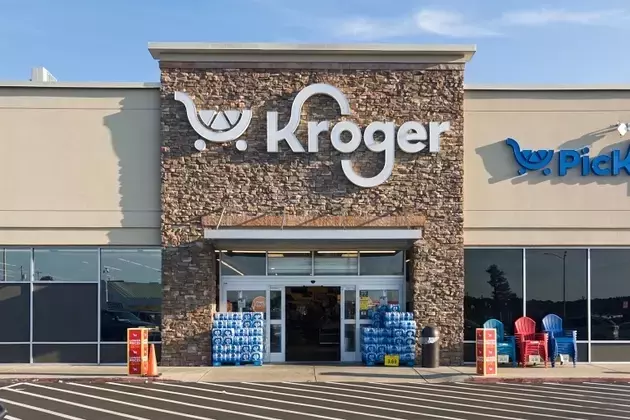
This article explores the investment landscape for two major retail giants, Walmart and Kroger, dissecting their current market valuations and future prospects to determine which offers a more compelling opportunity for investors.
Unpacking Retail Giants: A Value-Driven Investment Perspective
Examining Walmart's Market Position and Valuation Challenges
Walmart, a recognized leader in the retail sector, consistently demonstrates robust operational management. However, its prevailing share price appears to incorporate an overly optimistic view of future expansion, which subsequently compresses potential upside for new investors. A critical examination of its valuation metrics reveals a price-to-earnings (PE) ratio exceeding 40, a figure that seems disproportionate when juxtaposed against its moderate revenue growth and relatively narrow net profit margins. This elevated valuation suggests that the market has already factored in considerable future success, potentially leaving little room for significant additional gains at the current stock levels.
Kroger's Strategic Advantages in the Consumer Staples Segment
In stark contrast, Kroger emerges as a more attractive proposition, particularly given its strategic emphasis on consumer staples. The company boasts a non-GAAP PE ratio of approximately 15, which presents a far more appealing valuation. Kroger's business model, deeply rooted in the grocery sector, positions it defensively, especially in periods of economic uncertainty. As consumers become more discerning with their spending and recessionary pressures loom, the demand for essential goods remains resilient. This inherent stability, combined with its favorable valuation, strengthens Kroger's investment case, providing a buffer against market volatility and offering a more secure growth trajectory.
Comparative Analysis: Growth Potential Versus Valuation Reality
The core of this investment thesis lies in the fundamental discrepancy between perceived value and actual market price for both companies. While Walmart's operational efficiency is undeniable, its stock's current premium pricing reflects an expectation of growth that may be difficult to sustain at its current scale. The market's enthusiasm for Walmart seems to overlook the practical limitations of its future growth acceleration. For investors seeking value, this implies a restricted ceiling for capital appreciation.
Kroger's Resilience Amidst Economic Shifts
Kroger's focus on essential groceries provides a robust defense against economic downturns. During inflationary periods or recessions, consumer spending shifts towards necessities, making grocery retailers more resilient. This defensive characteristic, combined with a sensible valuation, makes Kroger a compelling choice. The company's ability to maintain stable demand for its products, even when consumers are tightening their belts, underscores its strong position in the market.
Investment Implications: Navigating Retail Sector Dynamics
Ultimately, the investment decision between Walmart and Kroger hinges on a nuanced understanding of their respective valuations relative to their growth prospects and market resilience. While Walmart represents a well-established entity, its current stock price may not offer sufficient margin of safety or growth potential. Conversely, Kroger, with its strategic focus on consumer essentials and a more conservative valuation, presents a more balanced and potentially rewarding investment opportunity, especially in an evolving economic landscape. Investors prioritizing value and defensive positioning may find Kroger to be the more judicious choice.
