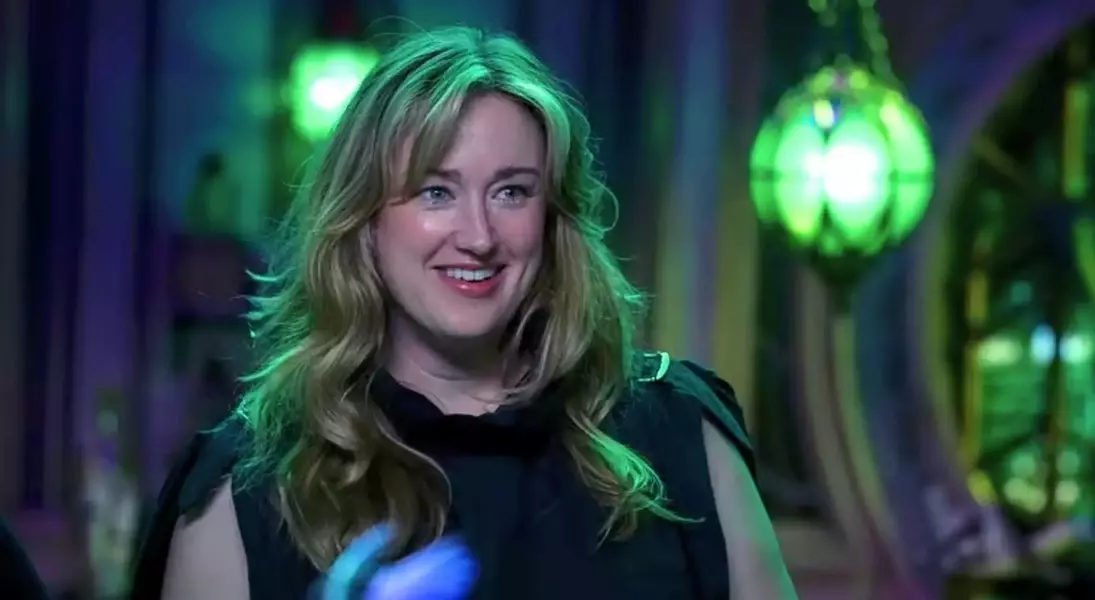
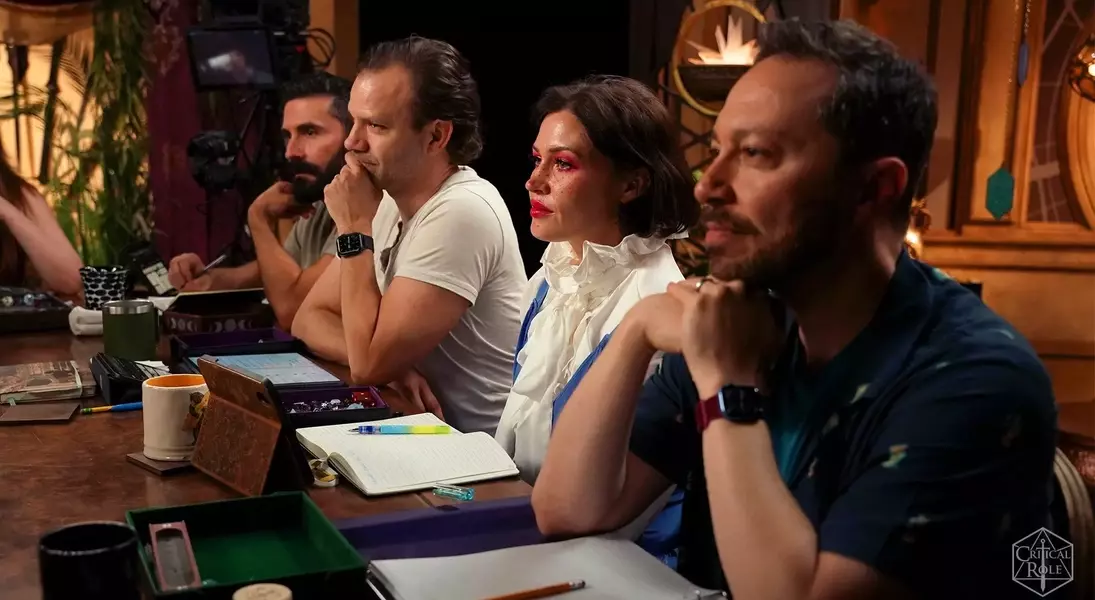
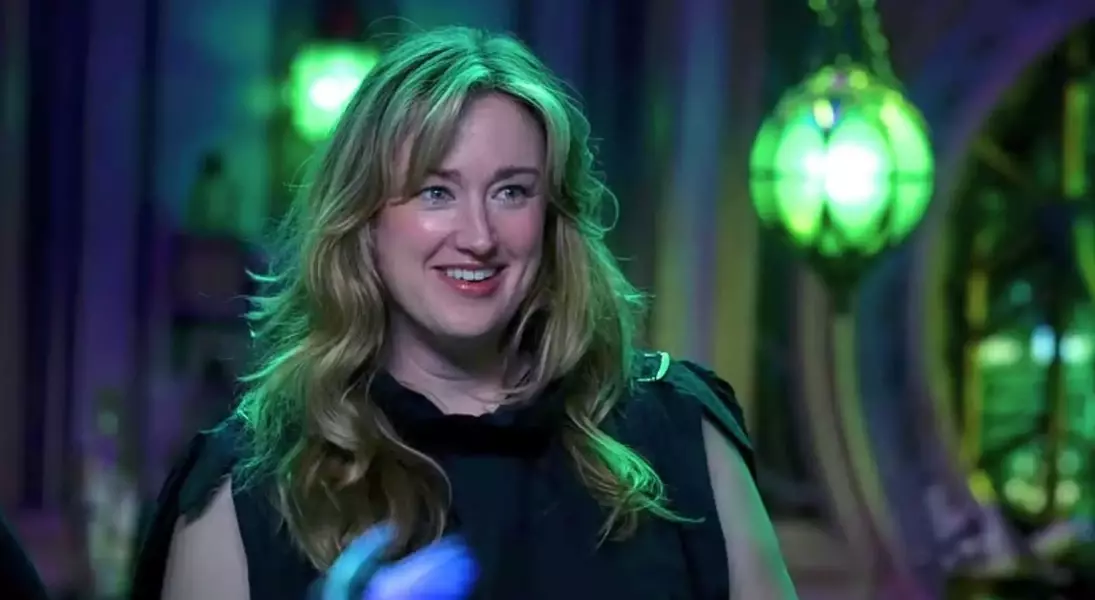
In the expansive narrative of Critical Role's fourth campaign, the choices made by adventurers carry significant weight, shaping their destiny and the world around them. The recent episode, "Road of Dreams," vividly illustrates these profound consequences through the character of Vaelus. Her decision to dismantle the revered Stone of Nightsong, a sacred artifact of her order, has irrevocably altered her capabilities and allegiances. Stripped of her magical powers and targeted by the formidable Sisters of Sylandri, Vaelus's journey takes an unexpected and perilous turn, highlighting the intricate interplay between player agency and narrative impact in Dungeons & Dragons.
This pivotal moment not only redefines Vaelus's role within the party but also sparks critical discussions among fans about the nature of paladins in D&D 5th Edition. Her current predicament raises fundamental questions about what it means to be a paladin without divine magic and whether her actions, driven by compassion and loyalty to her companions, could classify her as an 'Oathbreaker.' The unfolding saga promises a compelling exploration of faith, redemption, and transformation as Vaelus navigates a world where her past choices now dictate her future challenges, making her story a central focus of Campaign 4's evolving plot.
Vaelus's Changed Path: A Paladin Without Powers
Vaelus, a central figure in Critical Role Campaign 4, experiences a dramatic shift in her abilities following a critical decision. Her choice to destroy the Stone of Nightsong, an artifact integral to her sacred vow, results in the immediate loss of all her magical capabilities. This drastic change occurred after a confrontational dream encounter with Kyra, the Matriarch of the Sisters of Sylandri, who vowed vengeance for Vaelus's perceived betrayal. Despite this significant loss, her core character statistics, apart from a newly acquired Wisdom buff, remain unchanged, leading to a complex situation where she is technically still a paladin but unable to cast spells or utilize her class-specific features like Lay on Hands or Vow of Enmity. This development presents a unique challenge, forcing Vaelus and her companions to adapt to her newfound magical void.
The mechanics of paladin magic in Dungeons & Dragons are deeply tied to the oaths they uphold. Unlike other spellcasters who might draw power from innate talent or diligent study, paladins are channels for divine power, granted through their unwavering commitment to a sacred vow. Vaelus's severance from Sylandri directly impacts this connection, rendering her unable to access her former powers. The in-game user interface still identifies her as a paladin, yet this label now carries a different weight, signifying a title without its traditional accompanying abilities. This creates a compelling narrative arc, pushing the boundaries of what defines a paladin and exploring how a character might continue to embody their class's ideals even when stripped of their conventional strengths, compelling Vaelus to seek alternative ways to contribute to her group's endeavors.
Oathbreaking and New Beginnings for Vaelus
The question of whether Vaelus's actions classify her as an 'Oathbreaker' paladin adds another layer of complexity to her story. Traditionally, an Oathbreaker is a paladin who intentionally forsakes their vows for personal gain or nefarious purposes. Vaelus's decision, however, was driven by a compassionate desire to aid her allies during the Convergence and stabilize the passage of orc souls, not by malice or self-interest. Therefore, her situation doesn't neatly fit the typical definition of an Oathbreaker, whose powers often shift towards necromantic abilities. The narrative currently suggests that this path is inconsistent with Vaelus's established personality and objectives, particularly given the antagonistic role of House Tachonis, associated with the undead, in Campaign 4.
As Vaelus grapples with her diminished state and the pursuit by her former order, several future possibilities emerge. She might seek a new entity to dedicate her loyalty and conviction to, potentially reclaiming a source of divine power. Alternatively, her player, Ashley Johnson, could opt to multiclass Vaelus, allowing her to explore other D&D classes that align with her evolving journey and relationships, such as a druidic path, given her growing connections to Thaisha and Hannan and the various sects of the druidic order. This critical juncture in Vaelus's story highlights the adaptability and depth inherent in D&D gameplay, where a character's greatest challenges can often lead to their most profound transformations, making her unpowered state a catalyst for a more engaging and unpredictable storyline.
