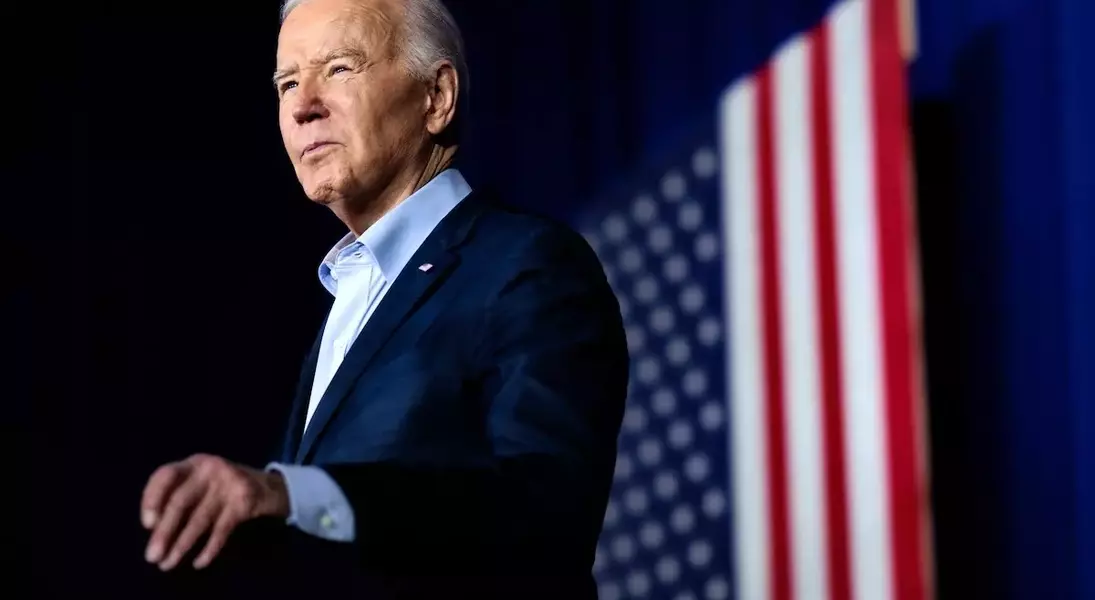
In the final week of President Joe Biden's term, the administration has unveiled a set of interim guidelines aimed at regulating the export of US-manufactured artificial intelligence chips. The new rules, which categorize countries into three distinct groups based on their relationship with the United States, introduce significant changes to the global chip market. While intended to clarify how allied nations can benefit from AI technology and streamline licensing processes, these regulations also impose strict limitations on chip sales to most of the world. The impact on innovation and economic growth is a matter of debate, especially for countries that fall into the third tier.
New AI Chip Export Rules Reshape Global Technology Landscape
On a crisp autumn Monday, the White House issued its Interim Final Rule on AI diffusion, marking a pivotal moment in international trade policy. This ruling aims to provide clarity to allied and partner nations regarding their access to advanced AI technologies while simultaneously tightening controls on chip exports. The guidelines divide the world into three categories: the first group includes close allies such as Japan and South Korea, who remain unaffected by the new restrictions. The second group comprises nations like China and Russia, which have long faced limitations on purchasing advanced AI chips and will now face even stricter controls on "closed" AI models. The third category encompasses the majority of the world, including countries like Mexico, Portugal, and Israel, which are now subject to a cap of 50,000 graphics processing units per country, though there are provisions for exceeding this limit under certain conditions.
The third group of countries, neither staunch allies nor adversaries, stands to be most impacted by these changes. The restrictions are designed to prevent nations like China and Russia from circumventing export controls through intermediaries, but they also pose challenges for the adoption of AI technologies in these regions. Nvidia, a leading chip manufacturer, expressed concerns over the proposed rules, calling them "unprecedented and misguided" and warning that they could hinder global innovation and economic growth.
The Biden administration’s latest proposal builds upon previous guidance issued in October 2022 and 2023. Despite the inclusion of a 120-day comment period, the rules will take effect before the end of this period. As the political landscape shifts with the incoming administration, the future of these export restrictions remains uncertain, leaving the AI community in anticipation of further developments.
From a journalist's perspective, these new regulations highlight the complex interplay between national security and technological advancement. While the intent behind these measures is to protect US interests and prevent sensitive technologies from falling into the wrong hands, the broader implications for global innovation and economic cooperation cannot be overlooked. It remains to be seen how these policies will shape the future of AI development worldwide.
