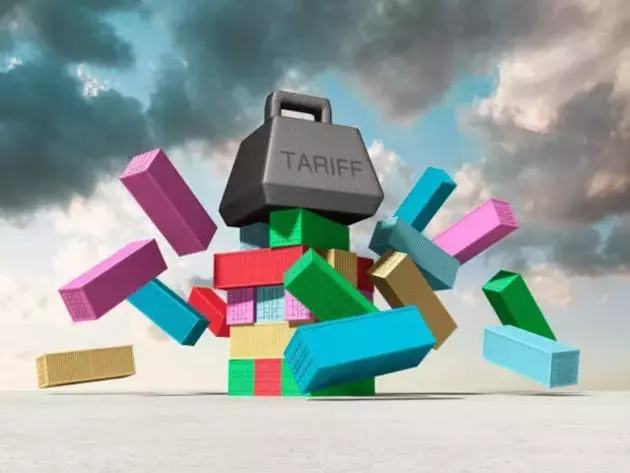
New tariffs recently proposed by the U.S. administration against eight NATO allies, often referred to as the 'Greenland Eight,' highlight potential economic challenges. While a worst-case scenario suggests a 0.4% inflation increase, previous tariff implementations indicate a modest impact on consumer prices. Nevertheless, these countries collectively account for approximately 11% of all U.S. goods imports, representing an annual trade volume of $362 billion that could be significantly affected. This situation underscores the delicate balance of international trade relations and the ripple effects of protectionist policies on global economies.
Beyond immediate trade impacts, a more significant concern is the potential for instability in the Treasury market. The 'Greenland Eight' nations are substantial holders of U.S. Treasuries, collectively possessing $1.6 trillion. Any large-scale divestment of these holdings could disrupt the stability of the U.S. financial system. However, such a move is largely deterred by market dynamics. Selling off U.S. Treasuries would likely lead to an appreciation of the sellers' currencies, which would, in turn, make their exports less competitive in international markets, ultimately harming their own economies.
Ultimately, these developments serve as a critical reminder of the interconnectedness of the global economy. Sound economic decisions require a comprehensive understanding of both direct and indirect consequences. Promoting open dialogue, fostering international cooperation, and adhering to fair trade practices are essential for maintaining global economic stability and encouraging widespread prosperity.
