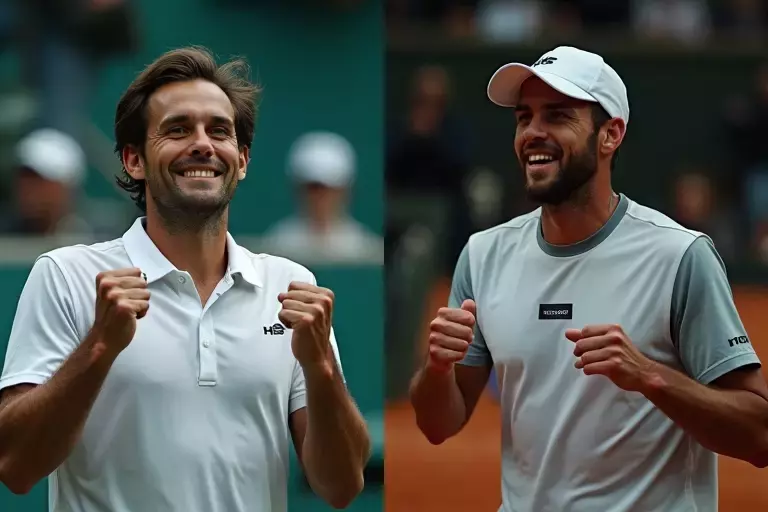
The United States Open's revised mixed doubles format has ignited a considerable discussion within the tennis community. This innovative approach, designed to boost fan engagement and financial returns by attracting prominent singles stars and offering a substantial prize, has simultaneously drawn sharp criticism from seasoned doubles players. The core of the contention revolves around whether the revamped competition retains the traditional sporting essence of a Grand Slam event or transforms into a spectacle primarily driven by commercial interests, potentially marginalizing the careers of doubles specialists.
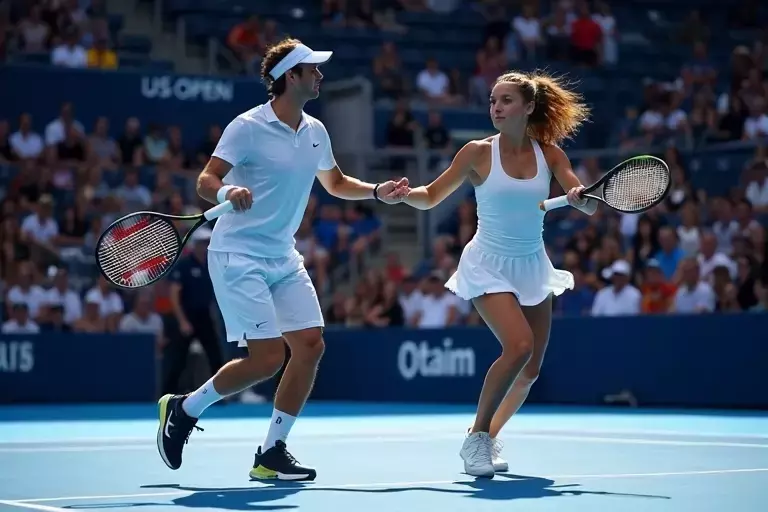
This year’s US Open mixed doubles draw showcases an impressive roster of top-tier singles players. Partnerships such as Carlos Alcaraz with Emma Raducanu, Jannik Sinner with Emma Navarro, Aryna Sabalenka with Grigor Dimitrov, and Lorenzo Musetti with Jasmine Paolini highlight the tournament's strategy to maximize celebrity appeal. This star-studded lineup aims to generate significant media attention and ticket sales, offering a hefty $1 million prize to the winning team. The tournament organizers are clearly prioritizing viewership and revenue by placing the mixed doubles competition in a strategic week, ensuring maximum visibility and buzz.
However, this shift in focus has not been universally welcomed. Kristina Mladenovic, a former world No. 1 in doubles and a nine-time Grand Slam champion across disciplines, including three mixed doubles titles, has been particularly vocal in her disapproval. In an interview with Eurosport France, Mladenovic acknowledged the commercial genius behind the new format, recognizing its potential for increased ticket sales and television rights. Yet, she expressed profound concern about the inherent sporting integrity of the event. She asserted that the changes transform the competition into an 'exhibition' rather than a genuine Grand Slam, especially given the near-total exclusion of dedicated doubles players. Indeed, the French Open champions, Sara Errani and Andrea Vavassori, are notably among the few doubles specialists participating, underscoring the limited opportunities for their peers.
Mladenovic passionately articulated her belief that the alterations undermine the historical significance of Grand Slams, which traditionally encompass both singles and doubles as integral components. She voiced apprehension about the allocation of substantial prize money to singles players who may not necessarily require it, while professional doubles players struggle for opportunities. This, she argues, reflects a broader trend within the sport where commercial considerations appear to overshadow traditional values and athlete welfare. Mladenovic lamented the apparent lack of a governing body or higher authority dedicated to preserving the rich history and established traditions of tennis, questioning the constant drive for change and its long-term implications for the sport’s foundation.
The ongoing debate surrounding the US Open mixed doubles format underscores a critical juncture for professional tennis, highlighting the tension between evolving commercial strategies and the preservation of sporting tradition. While the allure of star power and increased revenue is undeniable, the concerns raised by players like Kristina Mladenovic about the erosion of competitive integrity and the marginalization of specialist athletes cannot be overlooked. The future direction of the sport may well depend on finding a delicate balance that honors its rich heritage while adapting to modern demands and fostering inclusivity for all its dedicated professionals.
