
The US Department of Commerce has initiated a substantial investment of over $2 billion from the CHIPS and Science Act, funneling these funds into nine prominent quantum computing enterprises. This strategic financial injection is structured as grants in exchange for equity, signaling a governmental commitment to advancing quantum technology and securing a leading position in this burgeoning sector. The move underscores the growing recognition of quantum computing's transformative potential across scientific research and its significant economic implications.
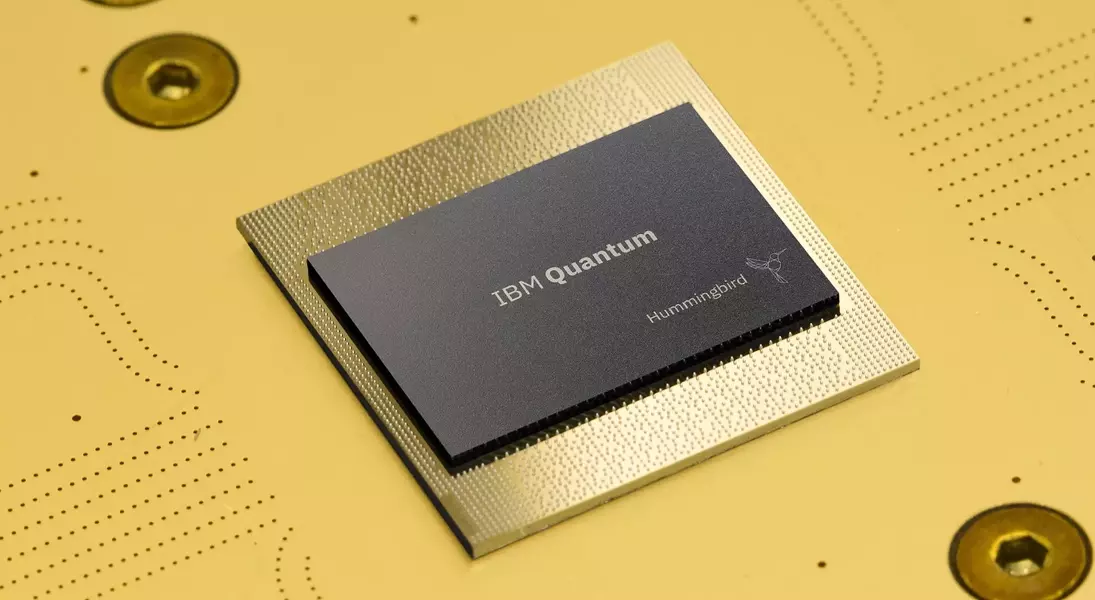
A major beneficiary of this initiative is IBM, slated to receive a $1 billion incentive specifically for the development of quantum computing chips. In a parallel commitment, IBM has declared its own $1 billion investment into Anderon, a quantum semiconductor foundry, to establish a dedicated manufacturing facility for specialized quantum chips. This dual investment highlights a collaborative effort between the public and private sectors to bolster the infrastructure necessary for quantum technological advancements. Other companies, including GlobalFoundries, will receive $375 million in funding, with the government acquiring a 1% stake, while Diraq, an emerging quantum computing startup, is set to gain $38 million.
Further strengthening the quantum landscape, other key players such as D-Wave, Rigetti Computing, and Infleqtion are each expected to secure $100 million in funding. D-Wave, in particular, has confirmed its intent to issue $100 million in common stock to the Department of Commerce upon the finalization of their agreement. Dr. Alan Baratz, CEO of D-Wave, emphasized the profound impact of this governmental backing, stating his belief that it will significantly propel the United States' global leadership in quantum computing and mark a pivotal moment for both D-Wave and the broader field.
The allocation of these funds reflects the current administration's forward-thinking approach to technology, recognizing the immense potential of quantum computing. Beyond its intriguing scientific and research applications, the financial prospects of this super-powered technology are considered vast. The growing interest from investors in quantum computing companies this year further illustrates the widespread anticipation that this technology is nearing practical implementation, contingent on adequate funding. Experts in the field draw parallels between the current state of quantum computing and the early days of artificial intelligence, suggesting that quantum advancements are not far behind in their potential to revolutionize various industries.
This strategic financial backing by the US government, coupled with private sector investments, is poised to accelerate the development and deployment of quantum computing technologies. The exchange of grants for equity ensures a vested interest from both sides in the long-term success and growth of this critical technological frontier. By fostering innovation and manufacturing capabilities within the country, the initiative aims to cement the United States' role as a global leader in the race for quantum supremacy, capitalizing on what is increasingly becoming one of the most valuable resources in the modern world: advanced computing power.
