In a significant development for the technology and political landscapes, the United States government has acquired a 10 percent ownership share in chip manufacturing giant Intel. This substantial $8.9 billion investment is largely composed of financial commitments previously designated for Intel through various federal initiatives. The transaction underscores an evolving dynamic between governmental policy and corporate operations, particularly within the critical semiconductor sector.
Landmark Government Investment in Intel Unveiled
On a momentous Friday, the United States government formalized an investment totaling $8.9 billion in Intel, the prominent semiconductor firm. This financial infusion predominantly stems from the remaining $5.7 billion in grants yet to be disbursed under the Biden administration's CHIPS Act, alongside an additional $3.2 billion allocated from the Secure Enclave program. The announcement from Intel confirmed this strategic partnership, which had been foreshadowed by public statements from President Donald Trump.
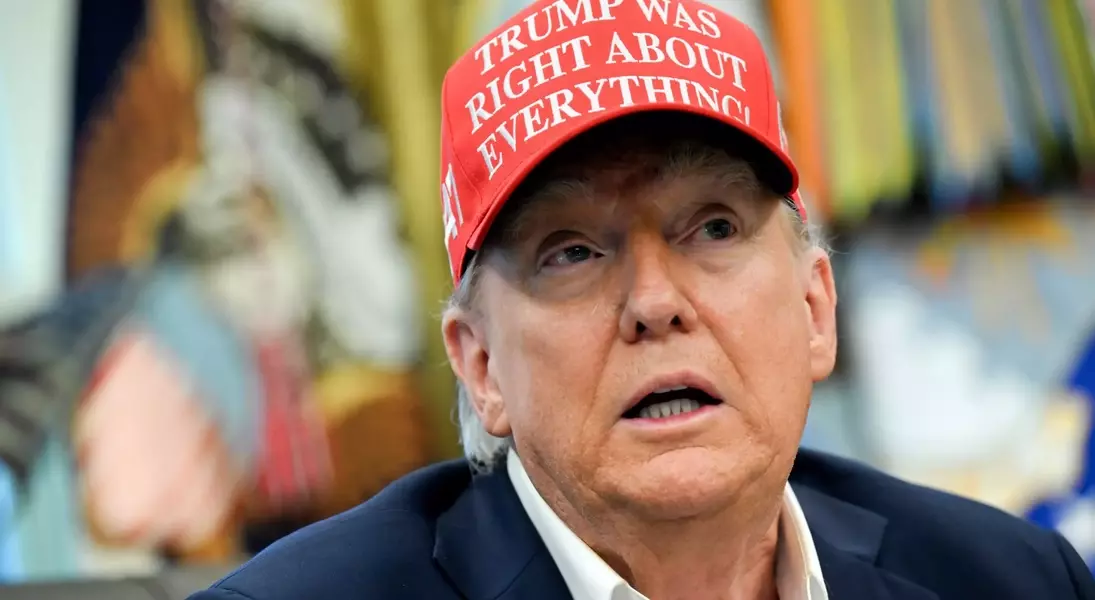
President Trump himself, prior to the official disclosure, revealed details of this unprecedented arrangement during a press briefing. He explicitly stated that Intel's CEO, Lip-Bu Tan, had consented to grant the government a 10 percent equity stake in the company. This revelation came shortly after Trump had publicly urged Tan's resignation due to perceived ties with China, portraying the new deal as a measure to safeguard Tan's position within the company. According to President Trump, the offer for government partnership was extended during negotiations with Tan, highlighting his belief that such an alliance would greatly benefit Intel.
Intel, for its part, clarified that the government's ownership will be entirely passive, stipulating "no Board representation or other governance or information rights." In an official press release, CEO Lip-Bu Tan expressed gratitude for the trust placed in Intel by the President and his administration, reaffirming the company's commitment to advancing American technological and manufacturing leadership. This agreement follows closely on the heels of SoftBank's recent $2 billion investment in Intel, also aimed at expanding domestic chip production.
This substantial governmental acquisition of a stake in Intel signifies a notable blurring of lines between state and enterprise, characteristic of the current administration's approach to economic policy. Reports suggest this is not an isolated incident, with similar demands reportedly made to other tech giants like Nvidia and AMD, requiring a percentage of their chip sales to China be remitted to the government. Treasury Secretary Scott Bessent had previously hinted at such a move during a CNBC interview earlier in the week, describing it as a conversion of grants intended to stabilize the company and boost chip manufacturing capabilities within the US. President Trump indicated that this bold, deal-making strategy is likely to continue, setting a precedent for future government interventions in key industries.
From a critical perspective, this move by the US government into partial ownership of Intel, while ostensibly aimed at bolstering domestic chip production and technological leadership, raises several thought-provoking questions. Is this an innovative model for public-private partnership in crucial industries, or does it represent an concerning overreach of governmental influence into corporate autonomy? While the intention to safeguard national interests and ensure supply chain resilience is commendable, the mechanism—converting existing grant allocations into equity—feels less like a fresh investment and more like a leveraging of pre-existing commitments. Moreover, the President's public pressure on Intel's CEO and the framing of the deal as a condition for his continued tenure could set a troubling precedent, suggesting that corporate leadership might be subject to political whims. This fusion of governmental and corporate interests, particularly if replicated across other vital sectors, could fundamentally alter the landscape of American enterprise, potentially stifling innovation or leading to unexpected market distortions. The balance between national security and free-market principles appears to be shifting, and the long-term implications of such direct government involvement warrant careful observation and debate.
