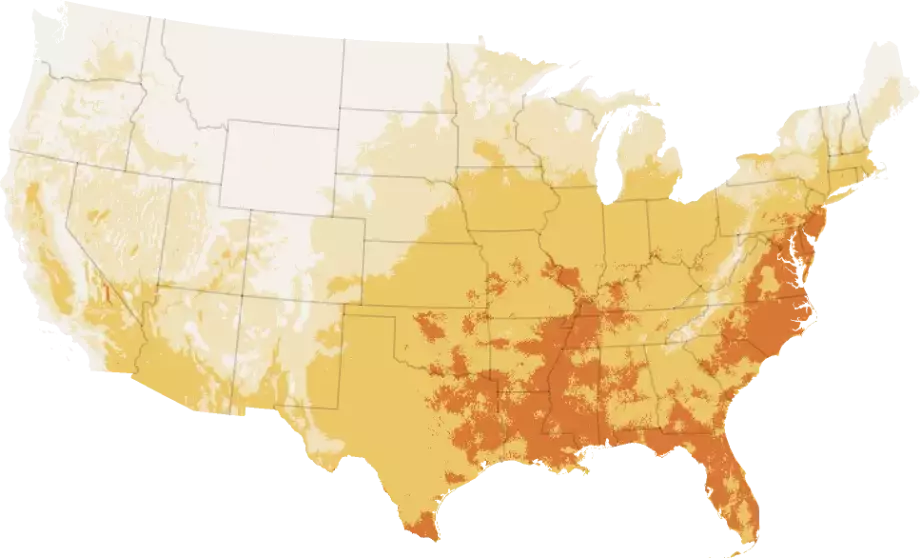
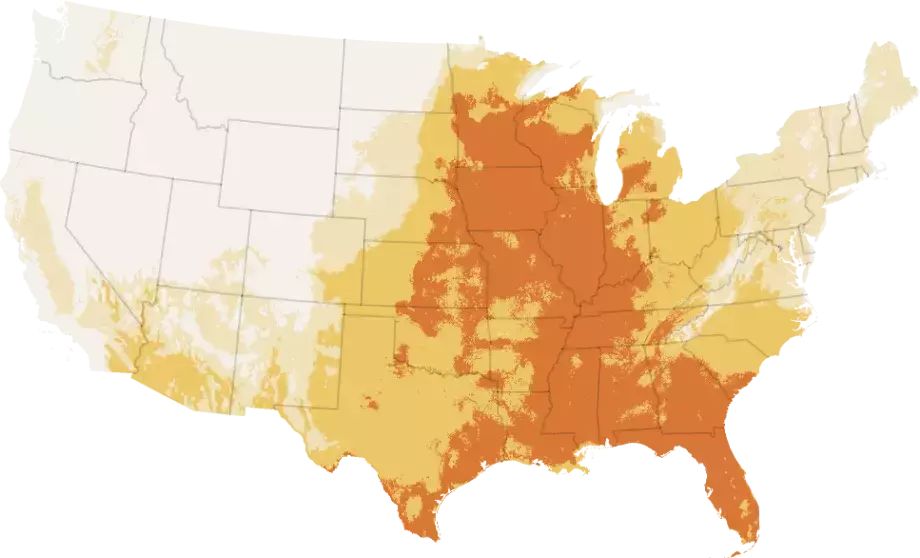
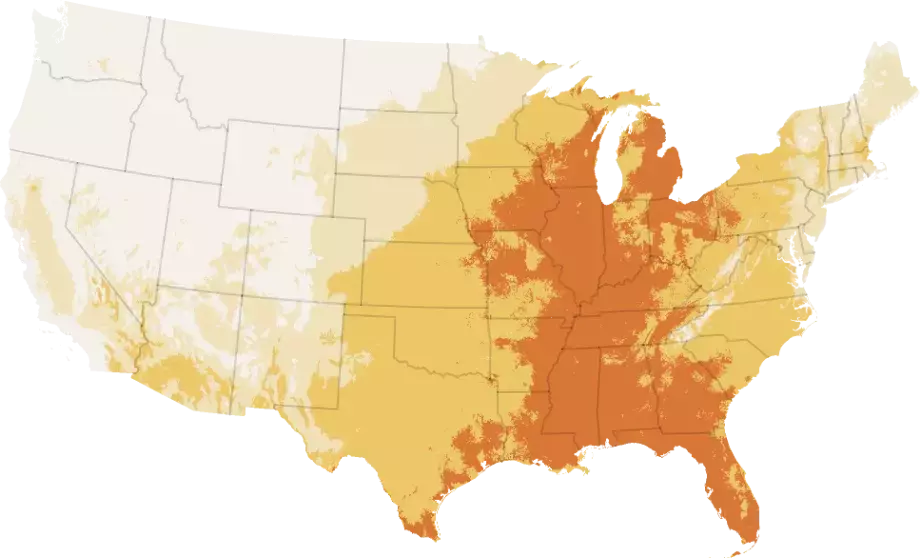
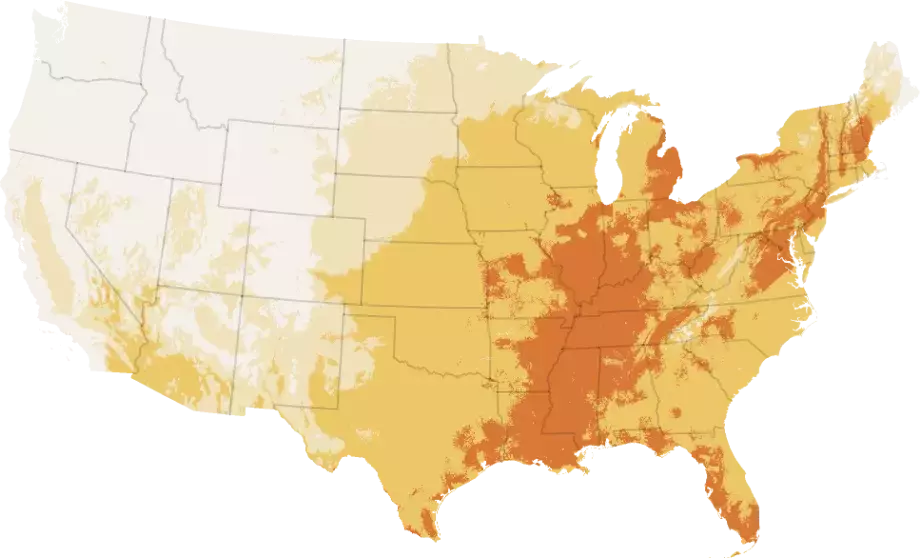
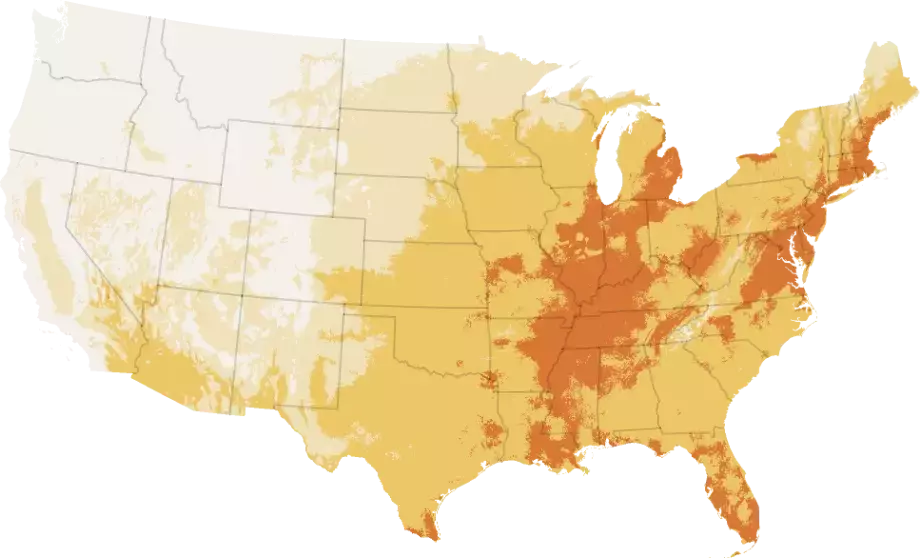
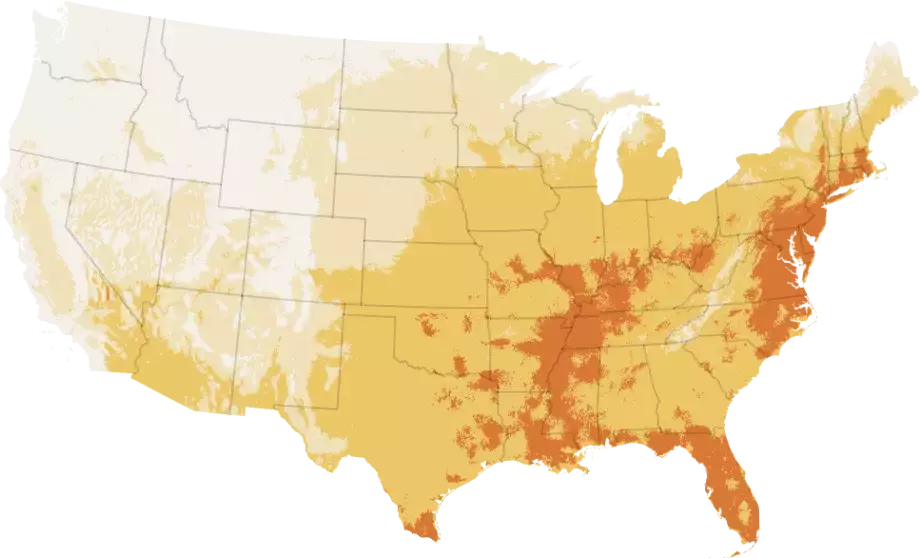
A significant heatwave is poised to envelop vast stretches of the central and eastern United States, threatening to bring dangerously high temperatures and potentially shatter existing records as the nation approaches the Fourth of July holiday weekend. Forecasters predict that millions will experience sweltering conditions, with daytime highs frequently reaching into the 90s and even surpassing 100 degrees Fahrenheit. The oppressive humidity will exacerbate these extreme temperatures, leading to heat index values that could soar to between 110 and 115 degrees. Compounding the risk, nighttime temperatures are expected to offer minimal reprieve, often remaining in the 70s and, in some urban areas, even the 80s, preventing bodies from cooling down adequately. This prolonged period of intense heat, described by meteorologists as the season's most severe yet, presents a serious health hazard, particularly for those planning outdoor activities during the festive weekend.
Dangerous Heatwave Sweeps Across Central and Eastern US
As Monday dawned, a formidable heatwave began its relentless march across the American Plains, quickly placing nearly 40 million individuals under extreme heat warnings. The affected regions, spanning states such as Minnesota, Wisconsin, Iowa, Missouri, Kansas, Illinois, Indiana, Michigan, Kentucky, and Tennessee, are currently experiencing several consecutive days of temperatures consistently in the 90s, a trend anticipated to persist until at least Thursday. Michael Muccilli, a meteorologist with the National Weather Service, emphasized the gravity of the situation, noting that these are the highest temperatures observed this season. The impending Fourth of July celebrations, typically drawing large crowds outdoors, are expected to further elevate the danger, underscoring the critical need for public awareness and precautionary measures.
This widespread and intense heatwave serves as a stark reminder of the escalating challenges posed by extreme weather events. The combination of soaring daytime temperatures, suffocating humidity, and insufficient nocturnal cooling creates a perilous environment, particularly for vulnerable populations. It highlights the urgent necessity for communities to implement robust public health strategies, including accessible cooling centers, clear communication of risks, and targeted outreach to those most susceptible to heat-related illnesses. Furthermore, this event prompts broader reflection on climate patterns and the imperative for long-term solutions to mitigate the impact of rising global temperatures. As citizens, it is crucial to remain vigilant, prioritize personal safety, and support collective efforts to adapt to and address these environmental shifts.
