Locarno's First Look program, which concluded recently with an awards ceremony, celebrated the burgeoning film industry of Uruguay by recognizing two exceptional works: the romantic drama 'Spring Story' and the comedic feature 'The Surubí'. These films, focusing on different narrative styles and themes, garnered the top accolades, underscoring the dynamic range and increasing prominence of Uruguayan cinema on the international stage. The event served as a crucial platform for filmmakers to present their works in progress, attracting industry attention and fostering co-production opportunities for a region whose cinematic voice is steadily growing louder.
The First Look focus on Uruguayan cinema wrapped up on August 9, 2026, with a prize ceremony that saw 'Spring Story' and 'The Surubí' emerge as the clear winners, each securing significant awards. 'Spring Story,' a compelling cross-cultural love story from director-producers Gabriela Guillermo and Irina Raffo of L'Avventura Cine, received the Bright Side of the Moon prize for comprehensive color grading and the Le Film Français Award for advertising, valued at €5,600. This marks a significant achievement for the filmmaking duo, representing their fourth successful collaboration in a series of films themed around seasons. 'The Surubí,' a satirical comedy by debut feature director Lorenzo Tocco, was honored with the La Mayor Cine Award for full sound post-production, and a Music Library & SFX/Acorde Award for music supervision services valued at €45,000 (approximately $51,750). Additionally, 'The Surubí' secured the Jannuzzi Smith Award for international poster design, worth €10,000 ($11,500), reflecting its strong visual and narrative appeal.
Beyond the top two awardees, the First Look program presented a diverse array of Uruguayan productions, demonstrating the breadth of talent within the country. This included an unconventional crime thriller, 'Animal Budget' ('Maltrato Animal'), an adventure for children rooted in historical events, 'Our Little Band of Justice' ('La pequeña Banda de la Justicia'), and two personal documentary features that delve into multi-generational family narratives, 'Perkal' and 'The Other Side of the Net.' These films collectively painted a picture of a vibrant and versatile film landscape, offering insights into various aspects of Uruguayan society and history, from economic hardship and political upheaval to deeply personal journeys of self-discovery and familial bonds.
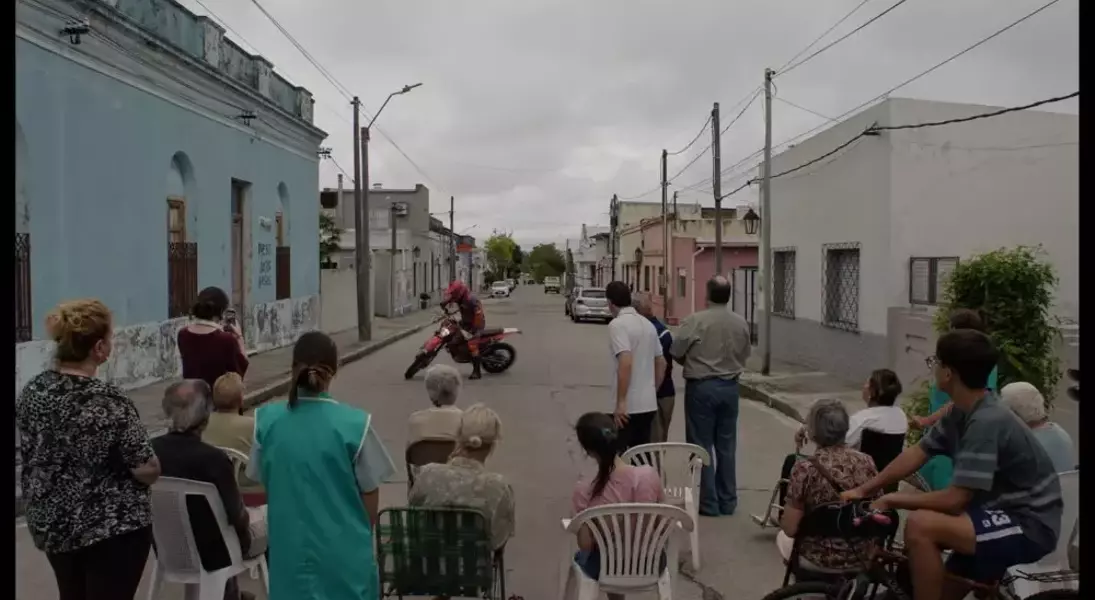
'The Surubí,' a black comedy set in the declining post-industrial town of El Surubí, explores themes of false hope and community resilience. Following the closure of the local Pezur plant in the 1980s, the town experiences a supposed miracle when 70 chickens inexplicably lay 128 eggs overnight after the arrival of a mysterious biker, Emanuel. Hailed as a prophet, Emanuel’s presence ignites a desperate hope among the townsfolk that their fortunes might change. Produced by Montelona and co-produced by Brazil's Kocria and Multiverso, the film poses questions about faith, desperation, and the human need for something to believe in when faced with terminal decline. Producer Pancho Magnou Arnabal noted that the film portrays a hopeless community clinging to illusory hope for survival with humor and sensitivity through its ensemble cast.
The documentary 'The Other Side of the Net,' directed by Maximiliano Martínez, offers a poignant exploration of inherited emotions and the possibility of personal transformation. The film begins with Martínez's father uttering "I love you" for the first time in three decades, just before Martínez departs for Barcelona. Through subsequent filming, Martínez attempts to reconnect with his emotionally distant father, who gradually reveals his remorse over past actions, particularly hitting Martínez's mother. The film uses tennis as a metaphor for their evolving relationship, symbolizing their search for a new way to communicate and bond. Martínez describes his debut feature as an inquiry into whether individuals are fated to repeat ancestral patterns or can forge new, more conscious relationships, projecting towards a future of honesty and equality rather than dwelling on the past.
Uruguay's film industry, as highlighted by these selections, is characterized by its creative storytelling and technical ambition. The First Look initiative by Locarno Film Festival is instrumental in shining a light on these emerging voices, providing critical post-production support and global visibility. Such platforms are essential for filmmakers from regions like Uruguay to overcome production challenges and connect with international distributors and audiences, ultimately enriching the global cinematic landscape with fresh perspectives and compelling narratives.
