
The United Parcel Service (UPS) is confronting a period of considerable flux in its operational landscape, as highlighted by expectations surrounding its upcoming third-quarter earnings report on October 18, 2025. The prevalent sentiment suggests that the report may not deliver positive news, primarily due to the adverse effects of trade tariffs on its crucial small and medium-sized business clientele. These tariffs have contributed to a noticeable reduction in shipping volumes from this vital market segment, underscoring the dynamic and often unpredictable nature of the current trading environment for global logistics giants.
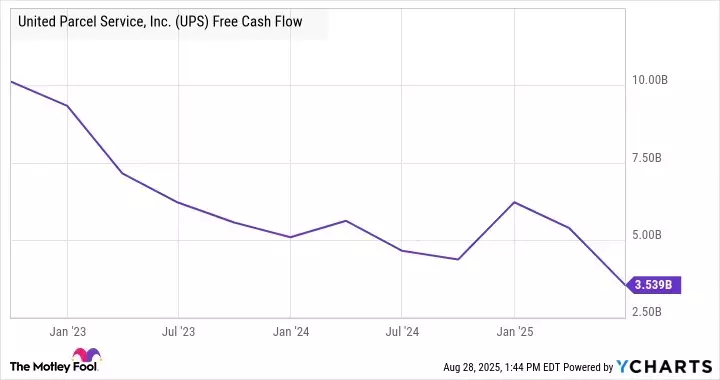
Furthermore, concerns are mounting regarding UPS's financial stewardship and its long-term viability. The company's current dividend yield, unusually high for a blue-chip enterprise, raises questions about the sustainability of its dividend payouts in the eyes of the market. Despite reassurances from CEO Carol Tome about the company's robust free cash flow and strong balance sheet supporting the dividend, the combined outflows for dividends and share buybacks significantly exceed the company's present free cash flow generation. This disconnect in capital allocation strategy, particularly in light of deteriorating market conditions, prompts skepticism among investors, contributing to the stock's recent downturn and an overall pessimistic market assessment.
Looking ahead, the upcoming earnings announcement is poised to be a pivotal moment for UPS, potentially ushering in considerable market volatility. There are two primary scenarios: either the company concedes to market pressures by reducing its dividend and revising guidance, which could paradoxically make the stock more attractive to long-term investors seeking value, or it manages to defy expectations with surprisingly positive results. The latter, while possible, appears less probable given the prevailing economic headwinds and the challenging market conditions facing its key business segments. The market's current bearish stance suggests that any positive deviation from expectations would likely be met with a significant upward movement in share price, as investors recalibrate their outlook based on new information.
In the face of these challenges, it is imperative for companies to demonstrate resilience, adaptability, and a clear vision for sustainable growth. Navigating complex global economic forces requires not only strategic adjustments in operations but also a commitment to transparent and responsible financial management. The journey through adversity often reveals true strength and character, laying the foundation for future innovation and renewed prosperity, benefiting all stakeholders in the long run.
