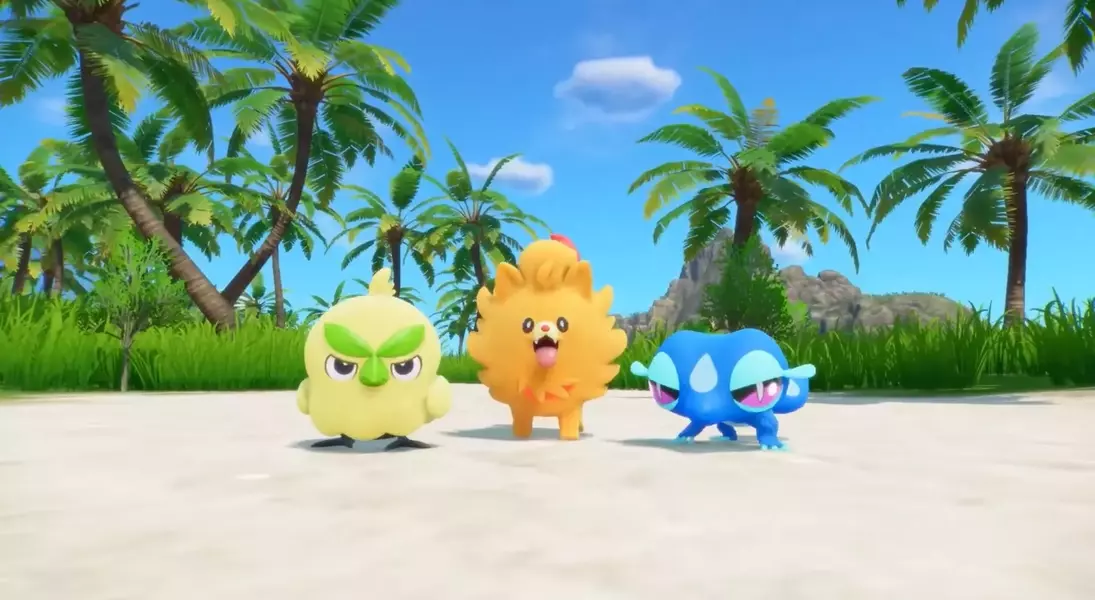
Recent leaks regarding the upcoming Pokémon titles, Winds and Waves, suggest a massive influx of 300 new creatures. While these rumors should be approached with caution, they have ignited a lively debate within the Pokémon community about the implications of such a significant expansion. This potential addition would represent the largest generation of new Pokémon to date, prompting both excitement and concern among fans regarding game balance, design quality, and the traditional party system.
Details Emerge on Potential Pokémon Overhaul for 'Winds and Waves'
In the past week, unconfirmed reports and whispers have circulated about the highly anticipated Pokémon games, Winds and Waves. These rumors point to an astounding 300 new Pokémon making their debut in the next installment, a number that would eclipse any previous generation. To put this in perspective, data from Serebii indicates that prior generations typically introduced between 72 and 156 new Pokémon. For example, the inaugural generation in 1998 brought 151 new species, while the most recent ninth generation in 2022 added 120. This substantial leap has become a focal point of discussion.
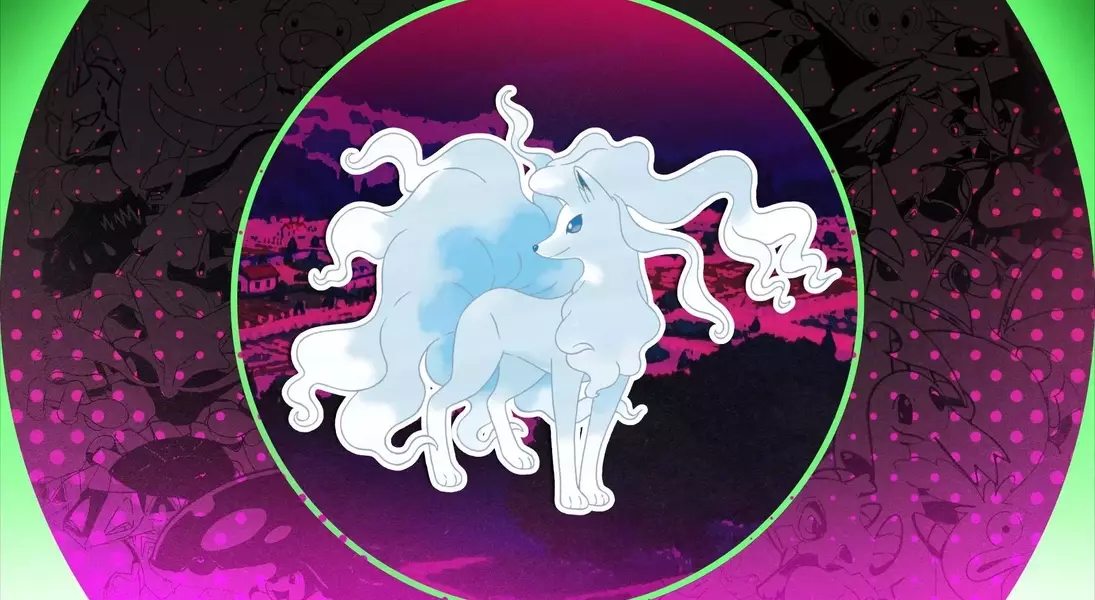
The community's reaction is sharply divided. Some enthusiasts view the prospect of 300 new Pokémon as an exhilarating opportunity for expanded creature collecting and fresh strategic possibilities. Others express apprehension, fearing that such a large number could lead to oversaturation, dilute the quality of designs, and further complicate the already extensive Pokédex. A crucial clarification within the leaks suggests that this count of 300 might not solely consist of entirely novel Pokémon but could also encompass various alternate forms and regional variants, a distinction that some argue holds little practical difference given the unique characteristics these variants often possess, such as the Alolan Ninetales.
The rumored expansion also touches upon evolving gameplay mechanics. For decades, the core experience revolved around a six-Pokémon party, fostering deep bonds between trainers and their chosen companions. However, recent titles like Let’s Go Pikachu! and Let’s Go Eevee!, along with last year’s Legends: Z-A, have already begun to shift this paradigm by allowing more flexible party management and encouraging on-the-fly Pokémon swaps. A massive increase in available Pokémon could further accelerate this trend, fundamentally altering the strategic depth of team building.
Furthermore, the discussion has inevitably veered towards the creativity of Pokémon designs. Some long-time fans voice concerns that the design team might be struggling to consistently produce imaginative new creatures, citing examples of more unconventional designs from recent generations. While acknowledging the popular sentiment that "every Pokémon is someone's favorite," a 2025 survey involving over 26,000 participants revealed that more than 50 Pokémon received no votes, with only one from the original 151 falling into this category. This suggests a potential decline in universal appeal for newer designs. While many recent Pokémon like Dragapult and Sprigatito are well-received, others, such as Applin and Flamigo, face mixed opinions. The sheer volume of 300 new designs raises questions about the ability of Game Freak to maintain a high standard of creativity and appeal across such a vast new roster.
Ultimately, without more specific details about the game's overall structure and the tropical region it is set in, it remains challenging to definitively assess the ideal number of new Pokémon. However, many players believe that if 300 new Pokémon are indeed introduced, the traditional goal of "catching them all" may become an increasingly unattainable feat.
The potential introduction of 300 new Pokémon in Winds and Waves sparks a fascinating discussion about the evolution of the Pokémon franchise. From a game design perspective, the challenge lies in balancing quantity with quality. A large roster offers immense variety, but it also risks diluting the distinctiveness of individual creatures and overwhelming players. This development could fundamentally reshape how players engage with team building and creature collection, pushing the franchise further away from its traditional six-Pokémon party structure. As a player, while the excitement of discovering numerous new species is undeniable, there’s also a longing for each Pokémon to feel unique and well-thought-out, fostering genuine connection rather than just a number to add to a collection. It's a reminder that sometimes, less can be more, especially when cultivating a cherished roster of beloved companions.
