The automotive industry is on the cusp of a revolutionary period, with numerous groundbreaking vehicles slated for release between 2026 and 2030. This wave of innovation encompasses a diverse range of models, from high-performance electric SUVs to revamped classic cars and advanced hybrid systems. These upcoming vehicles promise to redefine driving experiences through cutting-edge technology, sustainable powertrains, and bold design choices, signaling a transformative era for car enthusiasts and daily commuters alike.
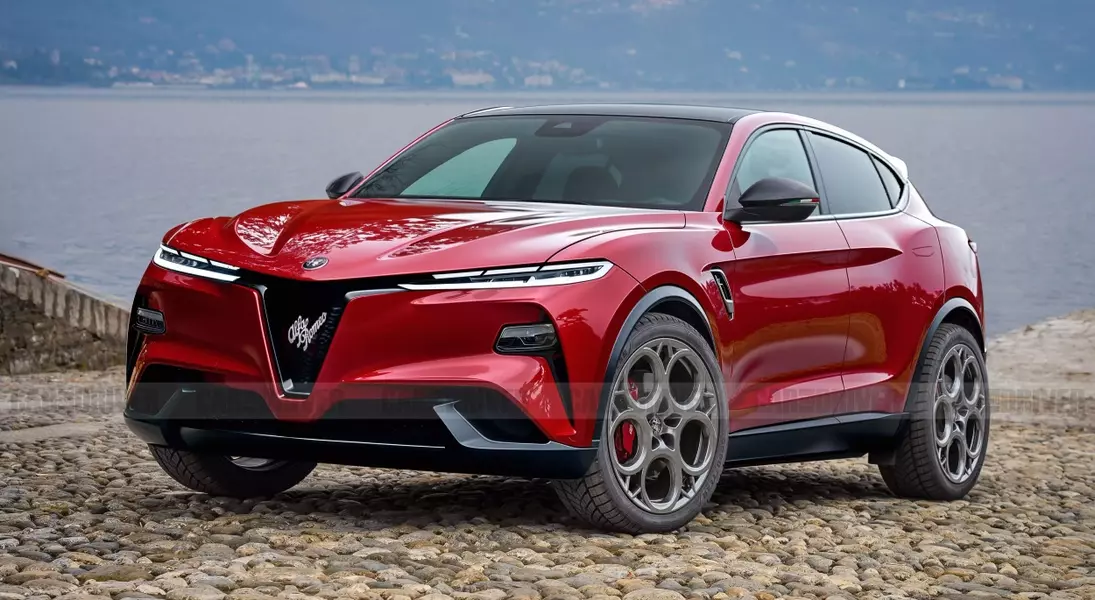
Alfa Romeo is poised to introduce a redesigned Stelvio SUV around 2027. This next-generation model is expected to feature a choice of hybrid or fully electric powertrains, marking a significant shift towards electrification for the brand. The new Stelvio will also utilize the STLA Large platform, potentially expanding its size to enter the mid-size SUV segment. A high-performance Quadrifoglio variant could incorporate the powerful Hurricane twin-turbocharged inline-six engine, aligning it with other potent vehicles on the same platform.
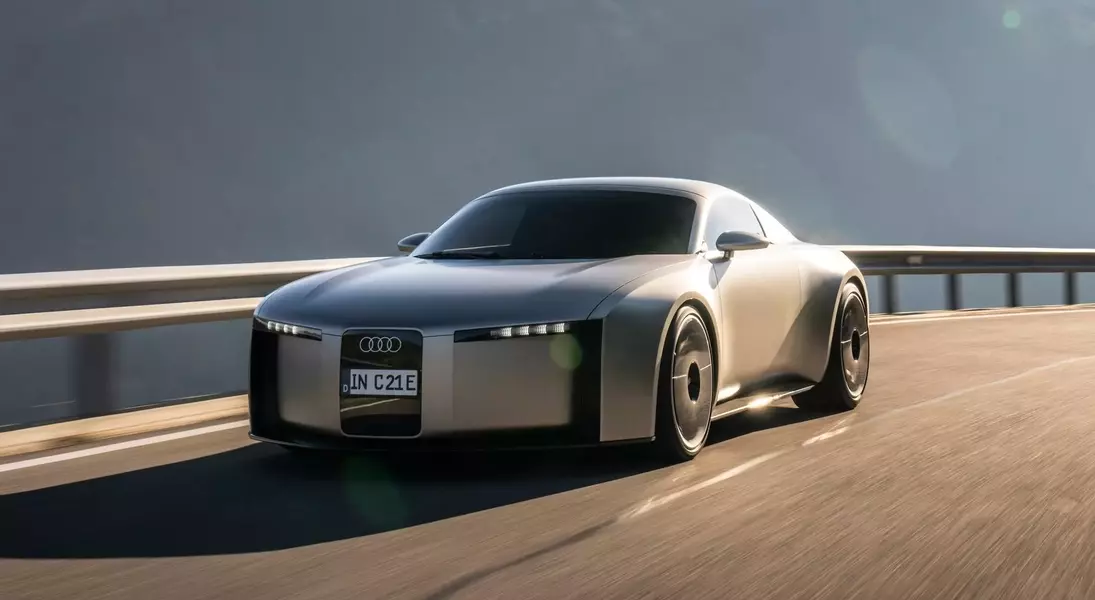
Audi's vision for a new electric sports car, inspired by the innovative Concept C, is set to materialize around 2028. This vehicle aims to bridge the gap left by the discontinued TT and R8 sports cars, introducing a fresh design language characterized by striking lighting, smooth surfaces, and an interior focused on premium materials. Sharing its foundation with upcoming Porsche 718 EVs, the Audi model is likely to offer both rear-wheel-drive single-motor and all-wheel-drive dual-motor configurations, with an estimated launch price close to $100,000.
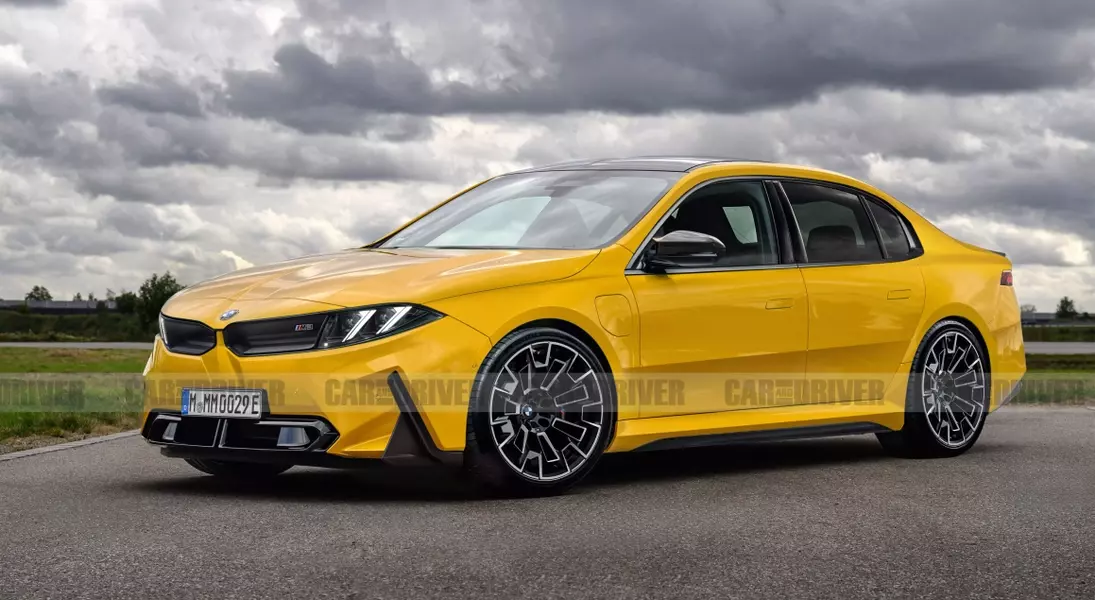
BMW is electrifying its iconic 3-series with the i3, which will be built on a new 800-volt architecture, similar to the iX3 SUV. This development will also lead to the creation of the first dedicated electric M car, the iM3, anticipated to debut in 2027. The iM3 is projected to boast a formidable quad-motor powertrain, promising exhilarating performance. The i3 is expected to arrive in the U.S. market by the end of 2026.
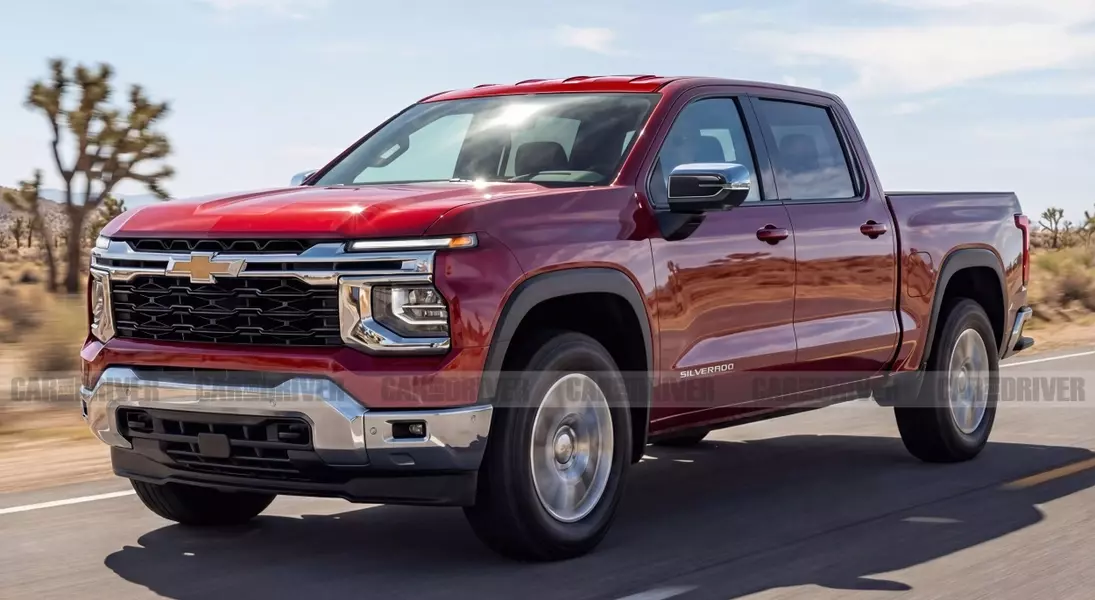
Chevrolet is preparing a substantial update for its popular Silverado pickup truck, expected by 2027. While maintaining a familiar assertive exterior, the major enhancements will be found beneath the surface. An improved turbocharged four-cylinder engine will be complemented by a new 5.7-liter small-block V-8, which is expected to surpass the current 5.3-liter engine's 355 horsepower. Rumors suggest a 6% improvement in fuel efficiency for the new V-8, and the Duramax diesel six-cylinder is likely to continue. The base WT trim is projected to start around $40,000.
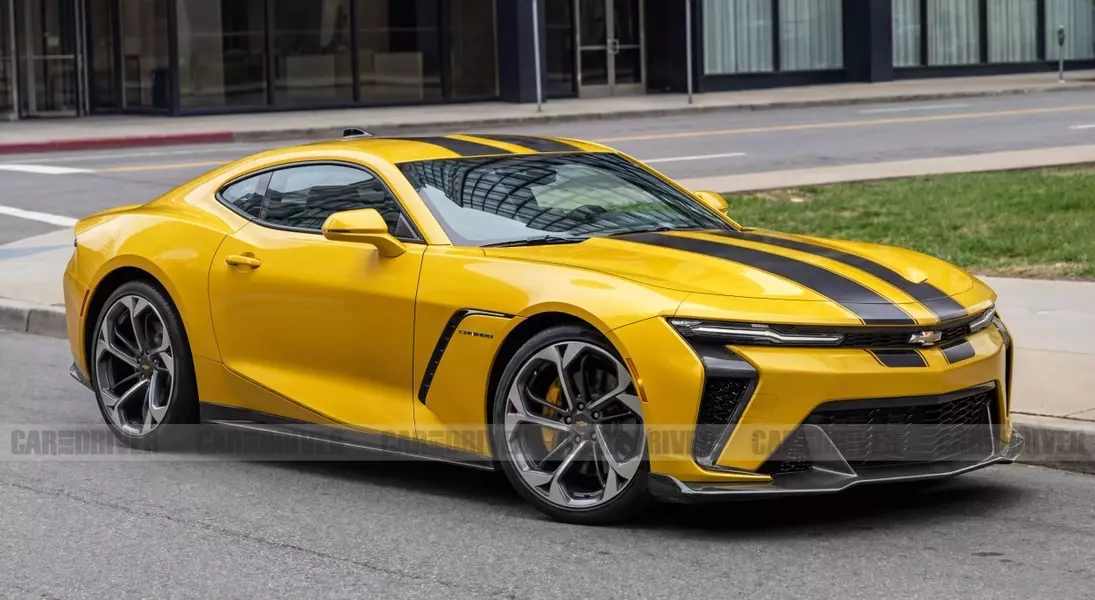
The legendary Chevy Camaro is slated for a comeback in the 2029 model year. This iteration of the pony car is expected to retain its two-door form, with a potential four-door option, leveraging a shared platform with new sedans from Buick and Cadillac. A turbocharged four-cylinder engine will likely serve as the entry-level powertrain, while a potent 535-hp 6.7-liter V-8 from the Corvette is also anticipated. Enthusiasts might also see the return of a six-speed manual transmission alongside a 10-speed automatic. Production is forecasted to begin in late 2028, with an initial price point of approximately $40,000.
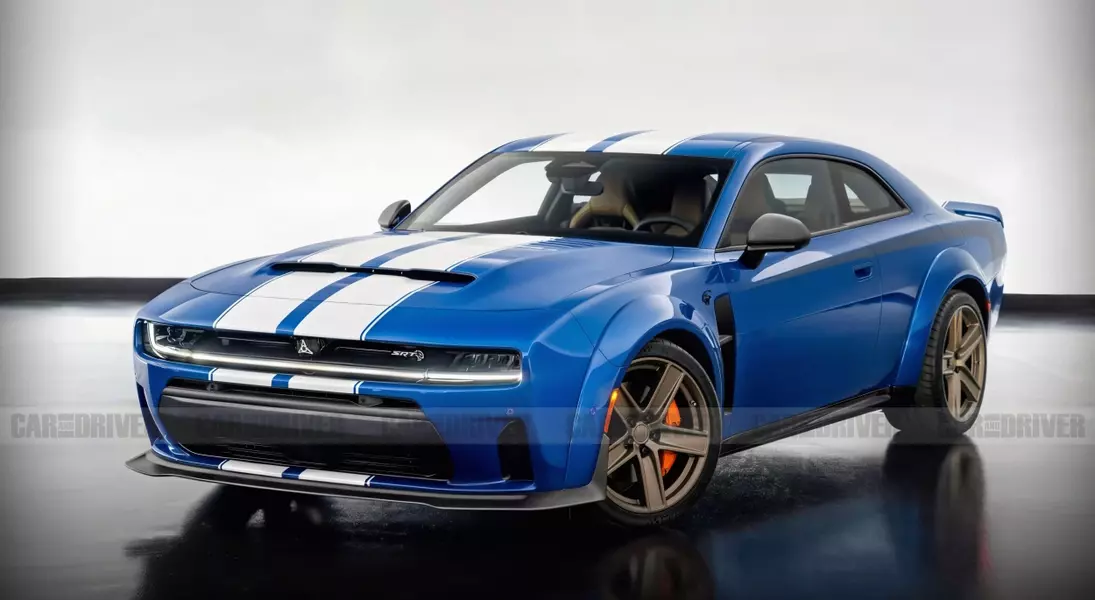
Dodge is reviving the V-8 engine for its Charger line, set to reappear around 2026. This move comes as the electric Charger Daytona has faced challenges in gaining traction, and the return of the eight-cylinder is expected to rekindle the passion of Dodge loyalists. The V-8 is likely to be offered in 5.7-liter, 6.4-liter, and a supercharged 6.2-liter Hellcat variant, with power outputs remaining robust, easily exceeding 700 horsepower for the Hellcat.
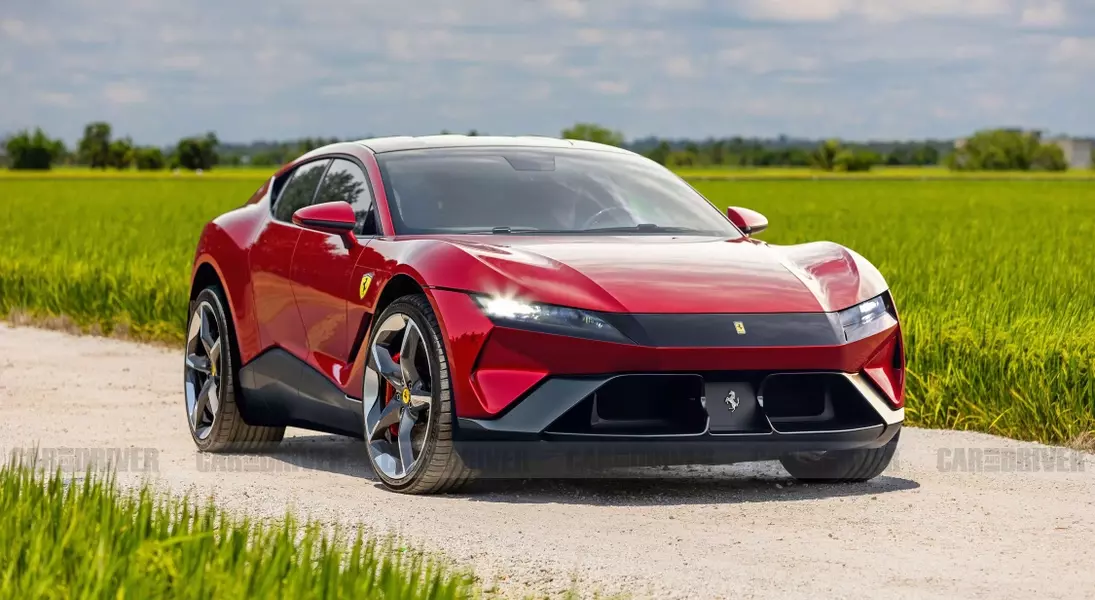
Ferrari is venturing into a new segment with the Luce EV, a high-performance electric SUV anticipated around 2027. While continuing to offer its iconic V-12 engines, Ferrari aims to attract a new clientele with this low-slung crossover capable of seating at least four. The Italian marque plans to develop the entire powertrain in-house, including the high-voltage battery and motors. With an expected starting price upwards of $500,000, the Luce EV is slated for an early 2026 unveiling.
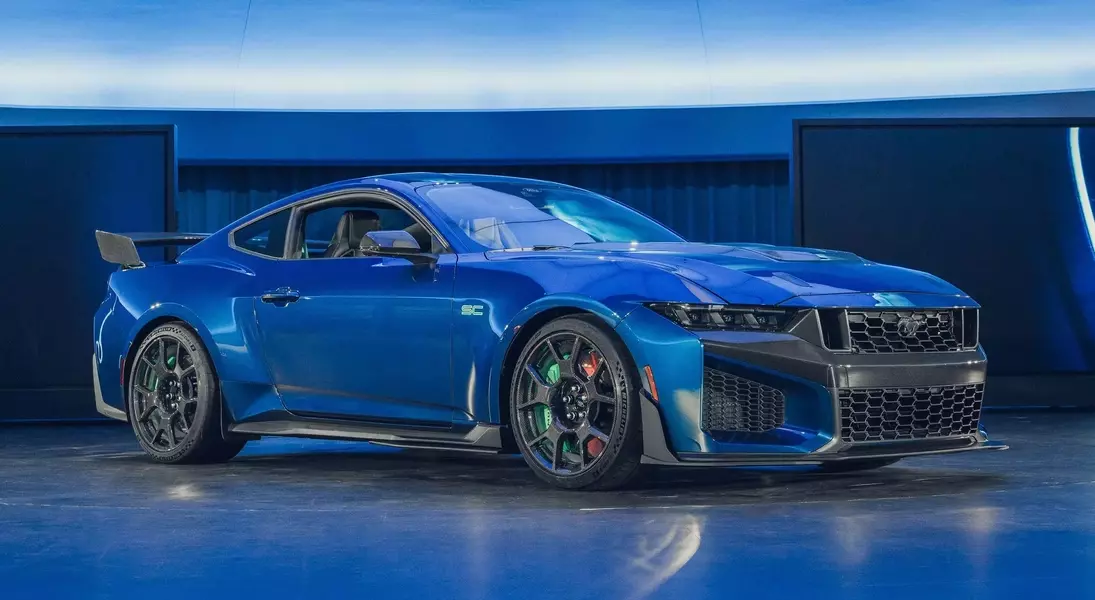
The Ford Mustang Dark Horse SC, positioned between the standard Dark Horse and the track-focused GTD, is set to launch this summer. This high-performance model will feature a supercharged 5.2-liter V-8 engine, similar to the GTD, with an expected output of nearly 800 horsepower. Ford has refined the suspension for track performance and enhanced aerodynamics to increase downforce, making it a formidable contender in the performance car market.
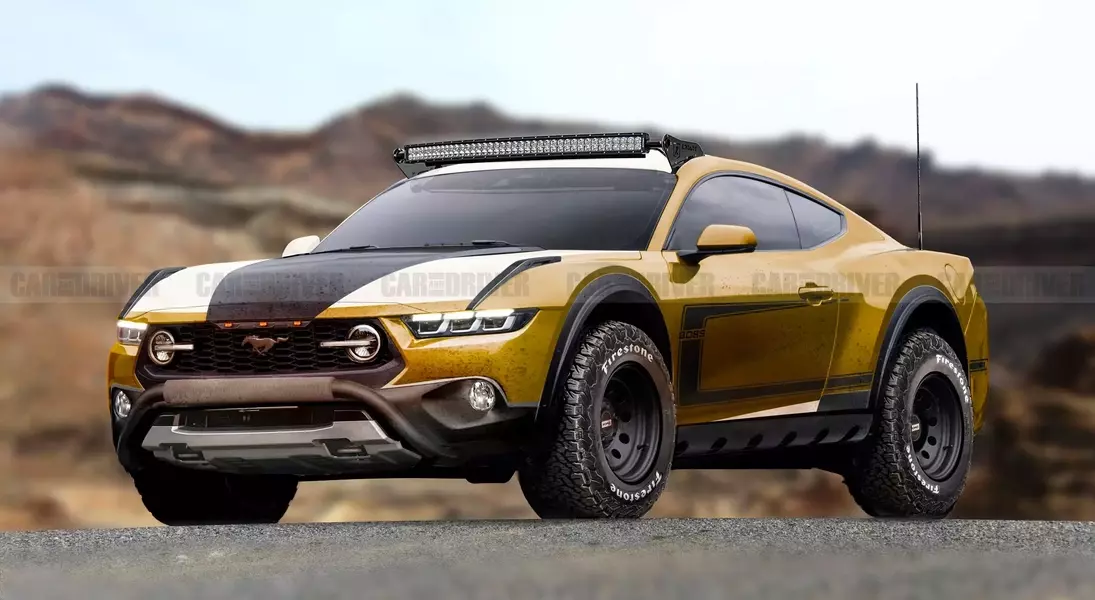
Ford is also exploring an adventurous variant with the 2027 Mustang Raptor. Following the trend of off-road-focused performance vehicles, this model is rumored to feature a naturally aspirated V-8 engine, all-wheel drive, and a lifted suspension equipped with Fox Live Valve dampers. This unique interpretation of the Mustang is expected to arrive in 2027, with a starting price around $90,000.
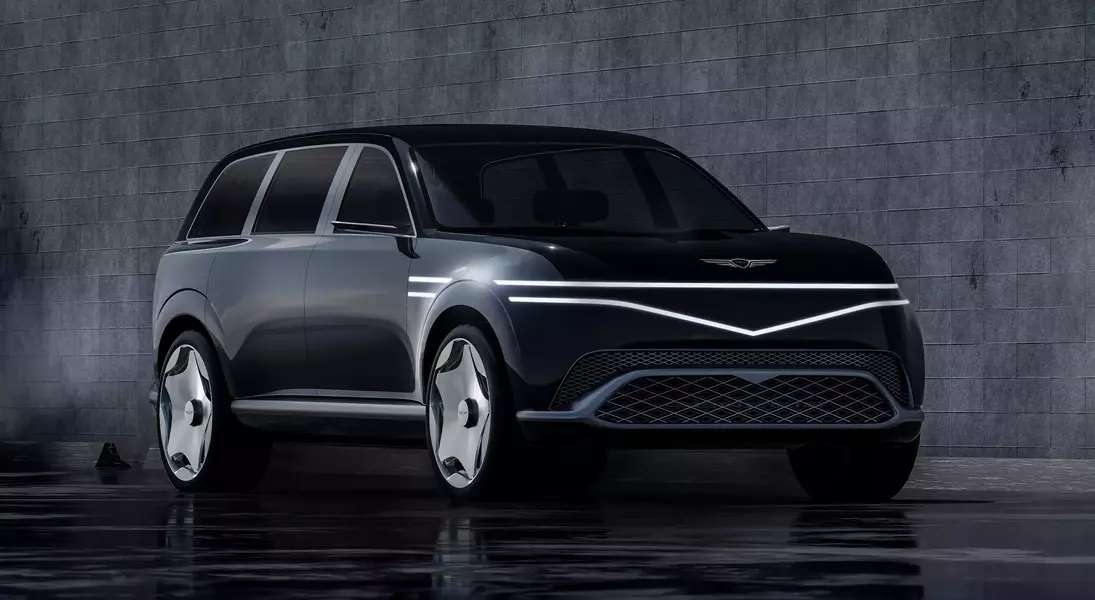
Genesis, Hyundai's luxury arm, is set to introduce the GV90 around 2027, a large three-row electric SUV designed to be its flagship crossover. While specific details are still emerging, expectations include standard all-wheel drive, an estimated range of 250 miles, and an opulent interior akin to the G90 sedan. The 2024 Neolun concept provided a glimpse into the GV90's luxurious design. This top-tier SUV is projected to have a six-figure price tag.
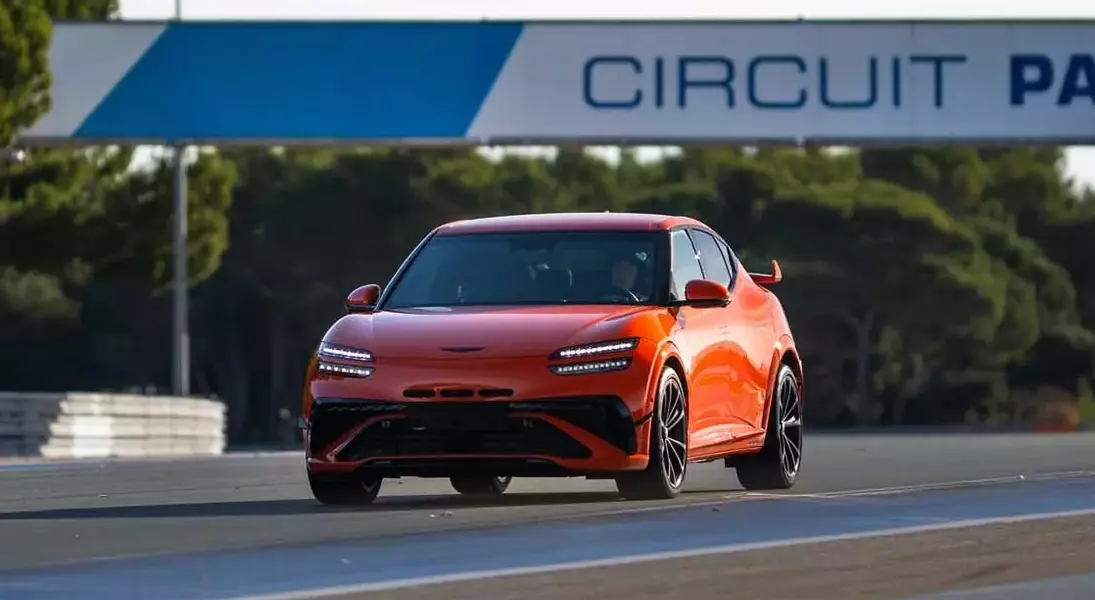
Genesis is also expanding its performance offerings with the GV60 Magma, an electric high-performance SUV set for a 2026 U.S. release. As the inaugural model of the new Magma sub-brand, it mirrors the Hyundai Ioniq 5 N's impressive performance with 601 horsepower, boosted to 641 horsepower. The GV60 Magma offers increased torque in boost mode (583 pound-feet) and features simulated gearshifts, retuned suspension, and improved brakes. This 4938-pound vehicle promises an exhilarating driving experience.
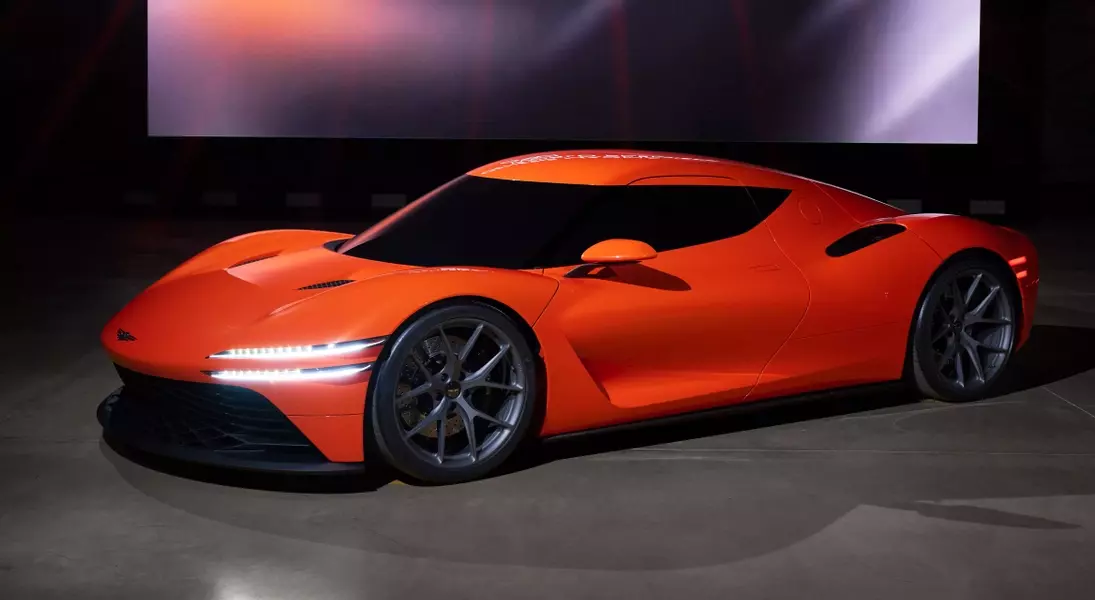
Following the GV60 Magma, Genesis plans to launch the Magma GT around 2028. This sleek coupe will diverge from electric powertrains, instead featuring a mid-mounted twin-turbocharged V-8 engine expected to produce over 600 horsepower. A V-6 hybrid option is also being considered, and the Magma GT will likely come in convertible and track-focused variants. Genesis intends to take the Magma GT racing, with production beginning in late 2027.
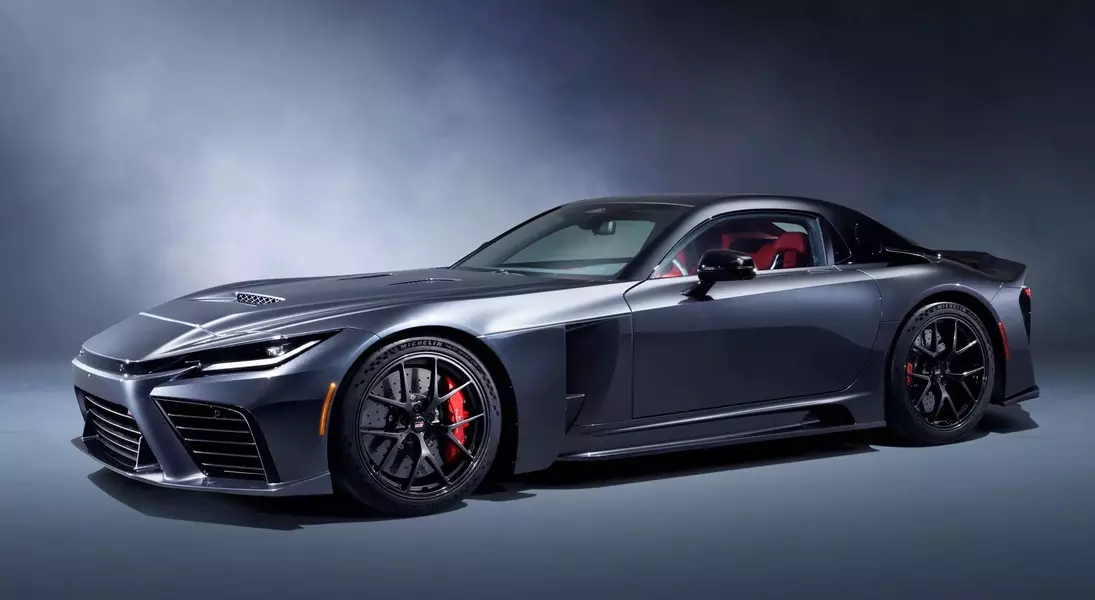
Toyota is introducing the GR GT in 2027, a standalone supercar under its GR performance brand, moving beyond initial plans for it to be a Lexus model. This aggressive coupe will be built on a new aluminum structure and powered by a twin-turbocharged 4.0-liter V-8. Combined with a hybrid system, it will deliver 641 horsepower and 627 pound-feet of torque, achieving a top speed of 199 mph. Weighing 3858 pounds, the GR GT is expected to start around $300,000, with sales commencing in late 2027.
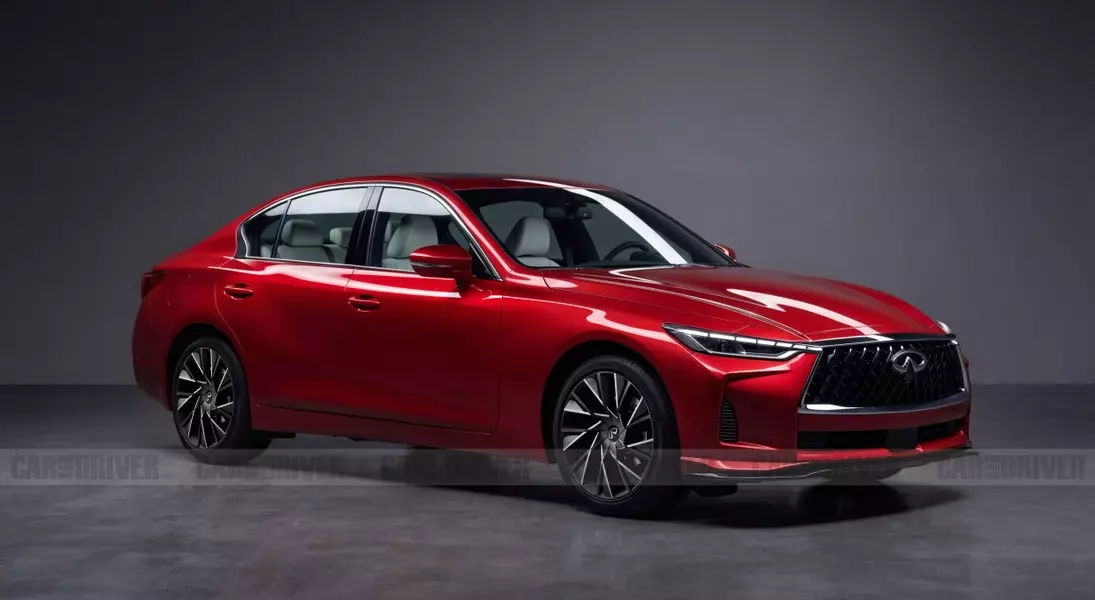
Infiniti is returning to its performance roots with a redesigned Q50 sports sedan for 2028. Drawing inspiration from the popular G35 coupe, the new Q50 will be powered by a twin-turbocharged V-6 engine borrowed from the Nissan Z, producing at least 400 horsepower. Infiniti is seriously considering offering a manual transmission to enhance driving engagement. The Q50 is expected to arrive in 2027, with a starting price of around $60,000.
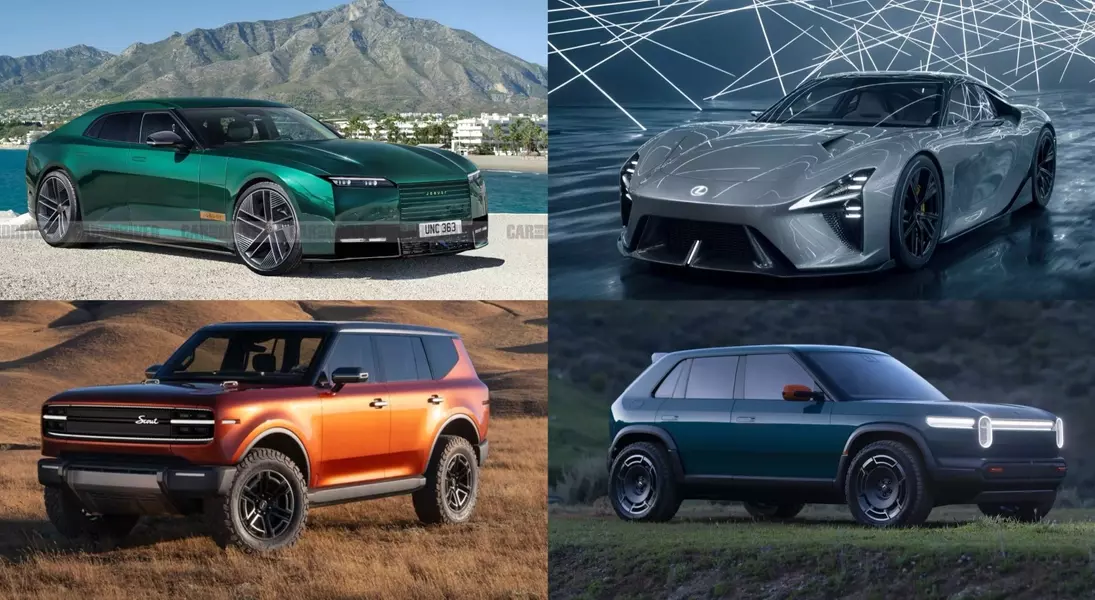
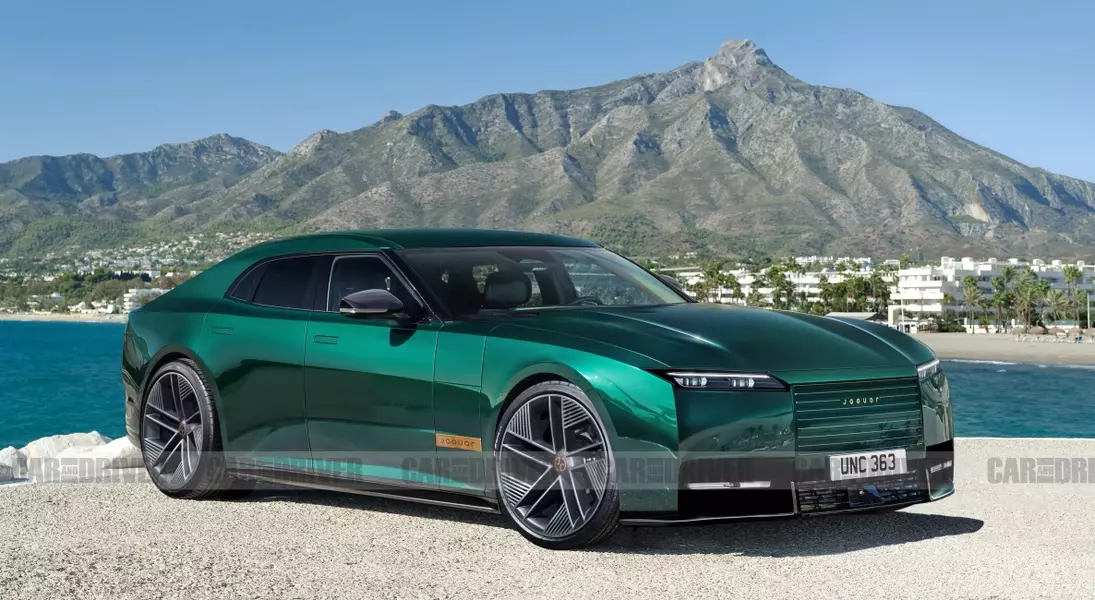
Jaguar is embarking on a new chapter with the Type 01, a large four-door grand tourer set to begin production in late 2026. This model will be the first in a new lineup of electric vehicles as Jaguar repositions itself as an upscale competitor to brands like Bentley. The Type 01 will showcase bold styling inspired by the Type 00 concept, targeting a 430-mile range and over 986 horsepower from a tri-motor powertrain. With an expected starting price of around $130,000, Jaguar aims to attract a younger, affluent demographic.
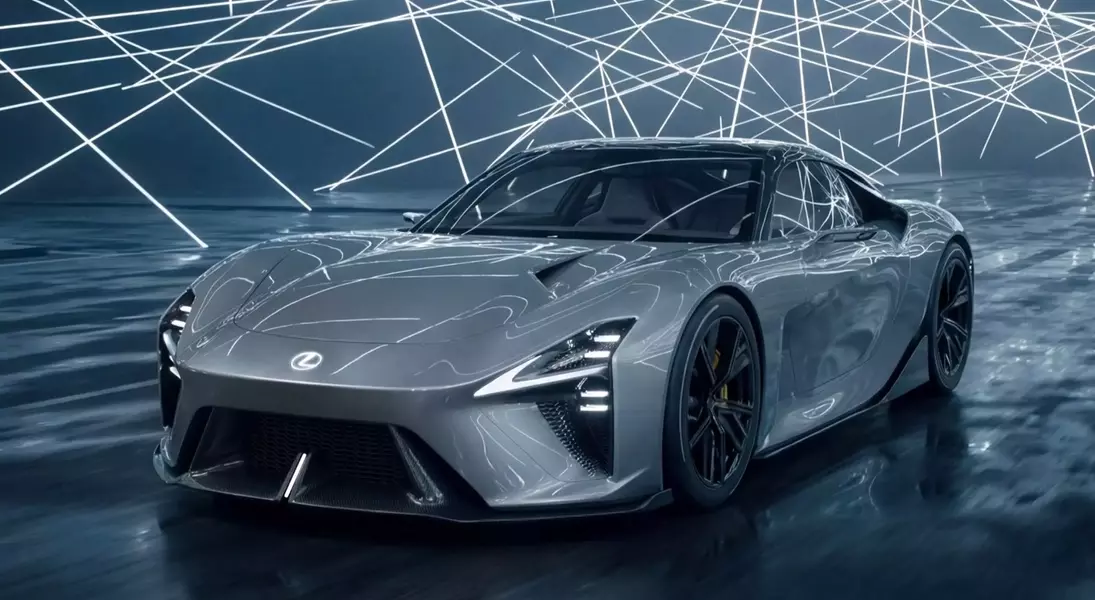
Lexus is signaling its commitment to high-performance EVs with the revival of the LFA nameplate around 2029. Building on concepts like the Electrified Sport (2021) and the LFA concept (2025), the new LFA will utilize the same aluminum platform as the hybrid GR GT but with an unspecified electric powertrain. While previous hints included a 0-60 mph sprint in the low 2.0-second range and a 430-mile range with solid-state batteries, final specifications may evolve. Lexus has also suggested a simulated manual transmission to differentiate the LFA EV.
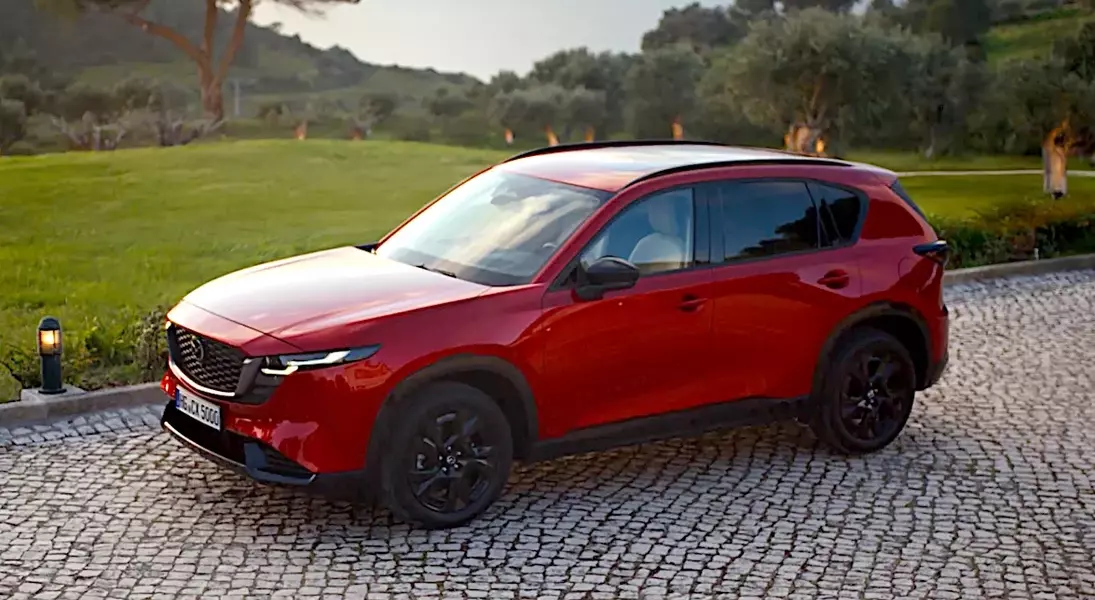
Mazda's bestselling CX-5 will receive a significant update in 2027 with the introduction of a hybrid powertrain. The new generation, whose non-hybrid design has already been revealed, will maintain a sleek aesthetic similar to its predecessor. The hybrid variant is expected to integrate Mazda's 2.5-liter inline-four engine, aiming to achieve an EPA-rated fuel economy exceeding 30 mpg, complementing the standard 187-hp four-cylinder engine.
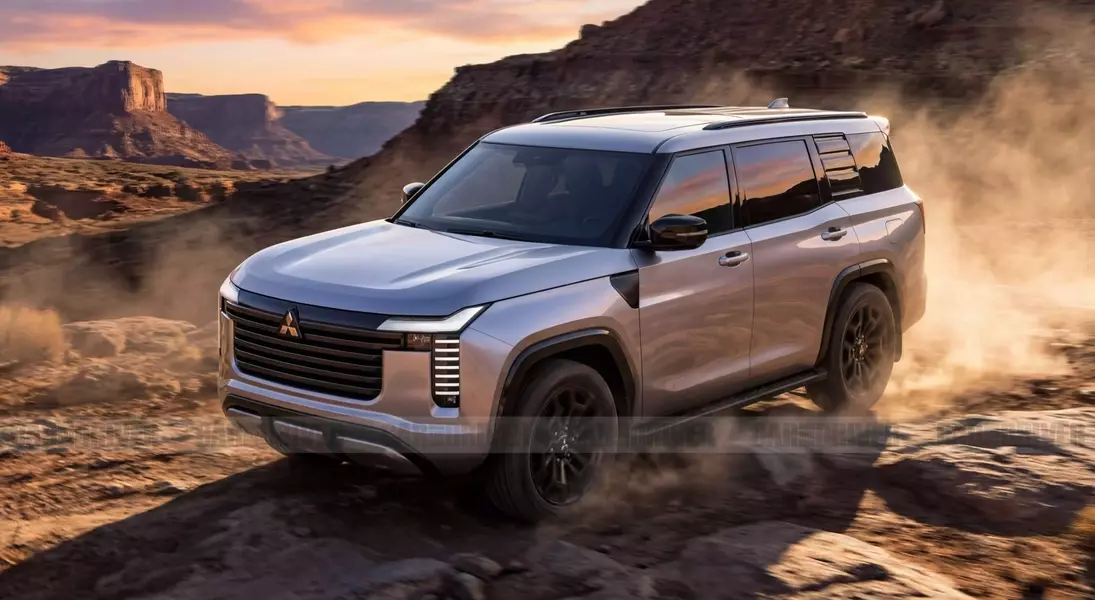
Mitsubishi is re-entering the off-road SUV market with the Montero, expected around 2028. Positioned above the Outlander, this revived SUV will feature a body-on-frame platform from Nissan, ensuring robust off-road capabilities. The Montero is anticipated to offer a twin-turbocharged V-6 engine, with a potential plug-in hybrid option. Starting prices are projected to be in the low $60,000 range, with sales beginning in 2027.
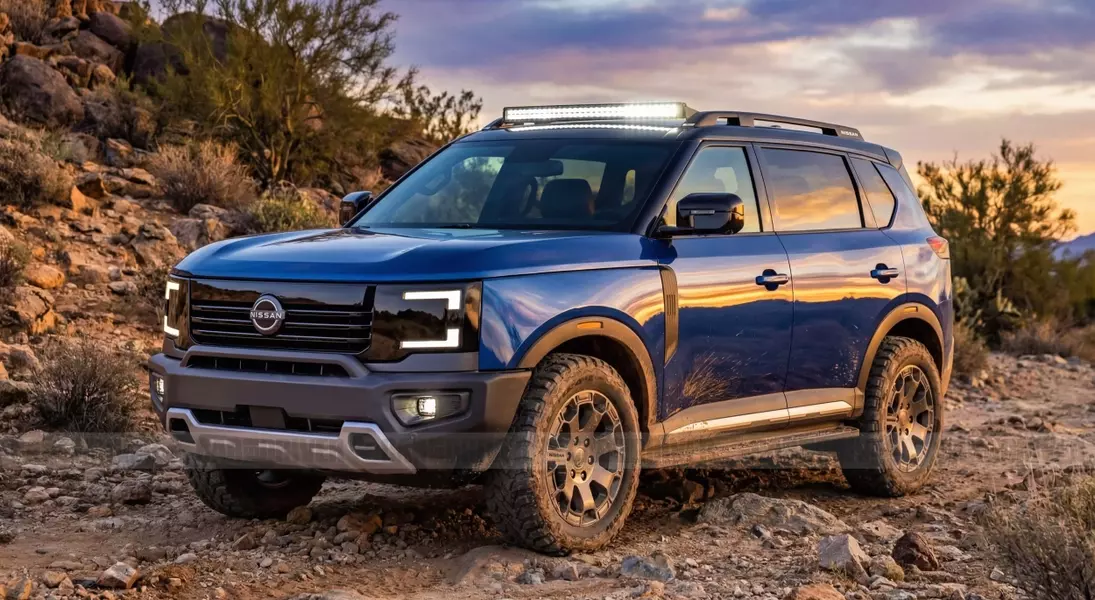
Nissan is bringing back the Xterra nameplate for a new off-road-centric SUV in 2028. This vehicle will boast a boxy design and a body-on-frame construction, offering genuine all-terrain prowess. The four-wheel-drive system is expected to be paired with a V-6 hybrid powertrain. Nissan aims for a price point around $40,000 for this new off-roader.
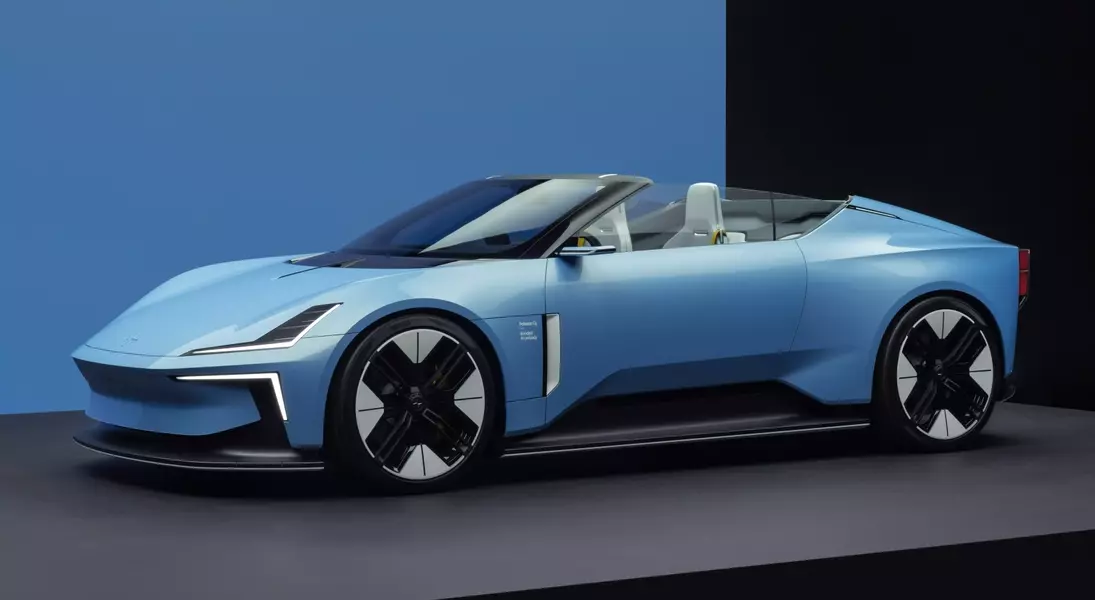
Polestar is set to re-enter the upscale market with the Polestar 6 convertible, based on the O2 concept. This model will combine sleek design with an 884-hp, 663-lb-ft all-wheel-drive powertrain, capable of a 3.2-second 0-60 mph sprint and a 155-mph top speed. Its bonded aluminum chassis and 800-volt architecture will be shared with the Polestar 5 sedan. While initially expected in 2028, the Polestar 6 is now anticipated around 2030, as the company prioritizes a new small SUV, the Polestar 7.
The automotive landscape is rapidly evolving, with a strong emphasis on electrification and enhanced performance. Manufacturers are not only pushing the boundaries of technology but also revisiting beloved nameplates with modern twists, promising an exciting future for drivers. These upcoming models, ranging from luxury electric SUVs to powerful sports cars, underscore a global commitment to innovation, efficiency, and a thrilling driving experience.
