
Wimbledon, the prestigious tennis championship, continuously captivates audiences worldwide, prompting numerous questions about its nuanced operations and traditions. This article, compiled from inquiries posed by avid fans, aims to demystify some of the tournament's most intriguing aspects. From the strategic allocation of matches on the hallowed courts to the subtle yet significant details like ball usage and equipment, we explore the multifaceted elements that define this Grand Slam event. Understanding these intricacies provides a richer appreciation for the sport and the meticulous planning behind such a grand spectacle.
Inside the All England Club: Unraveling Wimbledon's Hidden Dynamics
On July 8, 2025, a wave of curiosity swept across the global tennis community, leading to a special inquiry-and-answer session initiated by BBC Sport. Fans, ranging from Michael in York to Natalie in Surbiton, and Andy in Northampton to Amy in Cambridgeshire, alongside Keith in Poole, Katie in Shrewsbury, Allan in Aberdeen, and Alisson in Glastonbury, posed burning questions about the revered Wimbledon Championships. These insightful queries covered a broad spectrum of topics, from match scheduling to technical regulations and behind-the-scenes operations, providing a rare glimpse into the inner workings of the sport's most hallowed tournament.
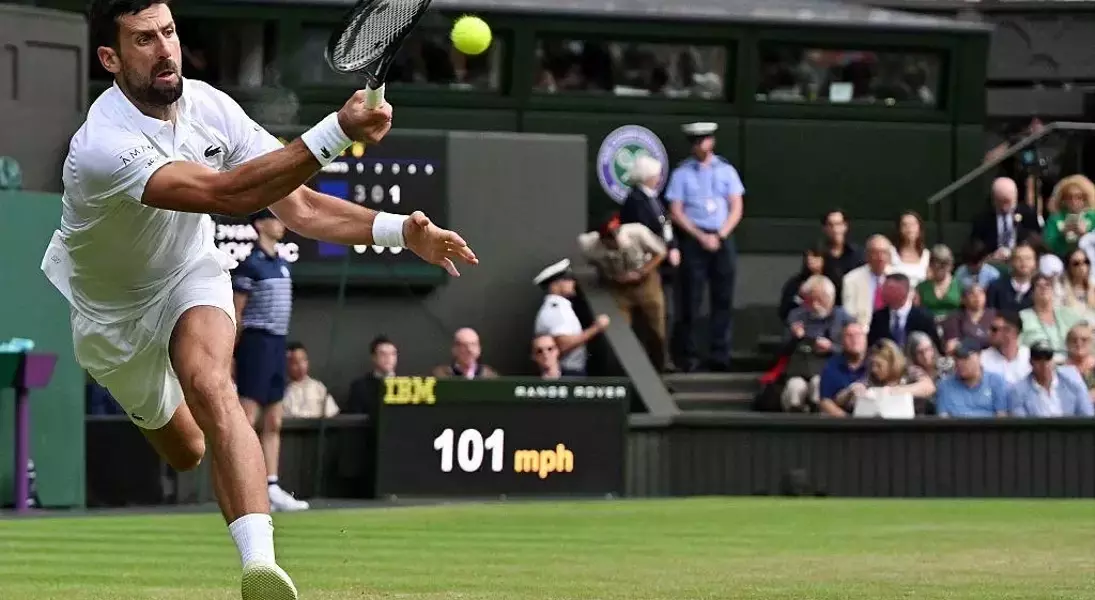
A recurring question revolved around the consistent placement of tennis maestro Novak Djokovic on the iconic Centre Court. Despite his fluctuating seedings, the All England Lawn Tennis Club (AELTC) confirmed that Djokovic's unparalleled legacy as a 24-time Grand Slam singles champion significantly influences his match assignments, prioritizing fan engagement and global broadcast appeal. His last appearances on Courts One and Two were in 2021 and 2018, respectively, underscoring his predominant presence on the main stage.
The physical demands on officials also came into focus, with inquiries about umpire bathroom breaks. While not explicitly prohibited, umpires, like the dedicated Mohamed Lahyani during the epic 2010 Isner-Mahut marathon, meticulously manage their intake to minimize disruptions, upholding the efficiency of play. This commitment ensures seamless continuation of matches, even the most prolonged ones.
Regarding game duration, the longest single game in Wimbledon singles history was a monumental 34-point contest between Spain's Tommy Robredo and Italy's Potito Starace in 2004. This eclipsed the 32-point, 26-minute battle between Carlos Alcaraz and Novak Djokovic in the 2023 final, showcasing the enduring intensity of Grand Slam tennis.
The sheer power of serves was also a hot topic. In 2025, Frenchman Giovanni Mpetshi Perricard unleashed the fastest serve at Wimbledon, clocking an astonishing 153 mph. While the overall fastest serve ever recorded was by Sam Groth at 163.7 mph in a Challenger event in 2012, and John Isner holds the ATP record at 157.2 mph, Venus Williams maintains the fastest women's serve at Wimbledon with 129 mph, achieved in 2008. These speeds highlight the increasing athleticism and technological advancements in the sport.
Off-court interactions drew attention too. The practice of interviewers maintaining a distance from players post-match is a deliberate broadcast strategy, ensuring clear, unobstructed views for television and social media content, benefiting the global audience.
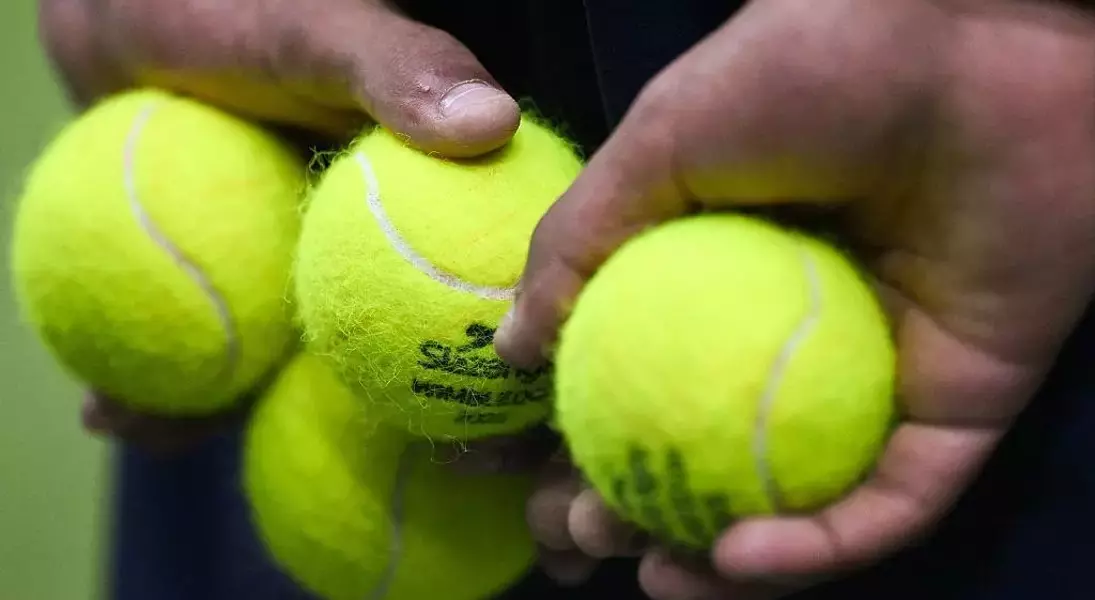
The scale of Wimbledon's operations is immense, particularly concerning equipment. Approximately 55,000 tennis balls are utilized annually, with new balls introduced after every seven, then nine games, to preserve optimal play quality. These used balls often find new life, being sold to the public to support the Wimbledon Foundation or donated to local tennis clubs.
A seemingly simple yet debated aspect is the pre-serve ball bouncing ritual. While there's no official limit, players employ it as a mental preparation tool—a moment to calm nerves, focus, and establish rhythm. However, excessive bouncing can draw penalties under the shot clock rule or irritate opponents, as exemplified by Nicolas Jarry's complaint against Cameron Norrie in a recent tournament.
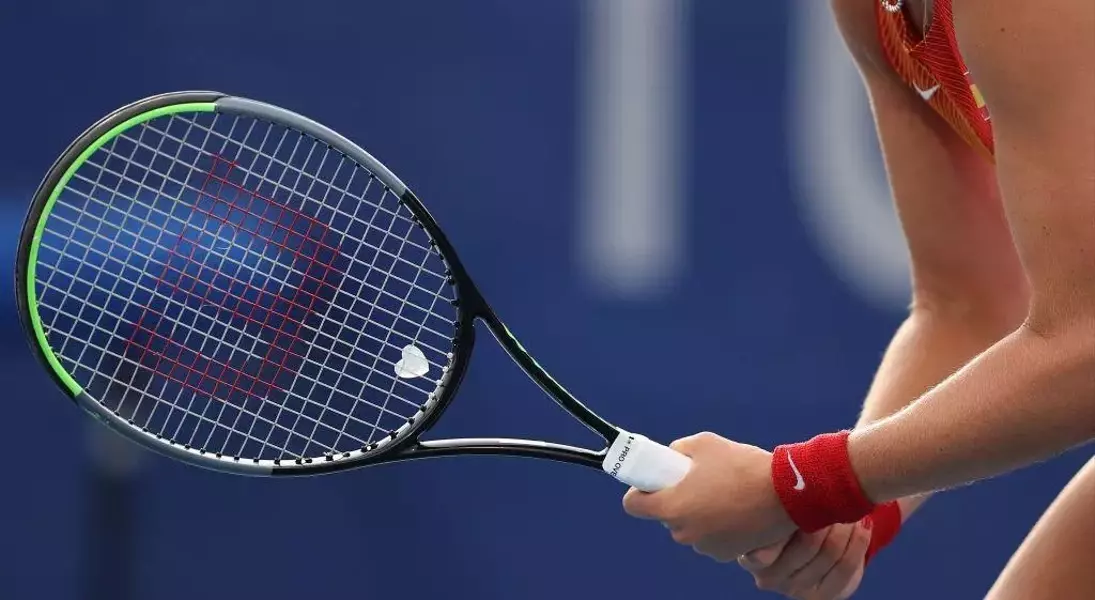
Finally, the small, often unnoticed devices on rackets, known as dampeners, play a crucial role. These silicone or rubber attachments, available in button or worm shapes, are designed to absorb vibrations upon ball impact, enhancing player comfort and altering the sound from a high-pitched ping to a softer thud. Notably, some legends like Roger Federer preferred playing without them, while Rafael Nadal consistently utilized them, illustrating individual player preferences in optimizing their equipment.
Beyond the professional arena, the tournament nurtures future talent through junior categories, open to players aged 14 to 18. While no prize money is awarded, participation earns crucial international ranking points. Exceptional young talents, even those under 18 like Boris Becker in 1985 or Mimi Xu in 2025, can compete in the senior events, bridging the gap between emerging and established stars.
Understanding the distinction between unforced and forced errors is also fundamental to appreciating match dynamics. An unforced error is a miscue made without external pressure, reflecting a player's own fault, while a forced error occurs when a player is pushed to their limits by an opponent's superior play. These metrics offer valuable insights into player performance and strategic effectiveness.
The Enduring Legacy: Wimbledon's Influence Beyond the Courts
Wimbledon, more than just a tennis tournament, stands as a beacon of tradition, precision, and athletic excellence. The comprehensive responses to these fan questions not only satisfied curiosity but also illuminated the profound dedication and intricate details that sustain this world-class event. The tournament’s commitment to fairness, fan experience, and the advancement of tennis is evident in every aspect, from meticulous scheduling to the thoughtful reuse of equipment. For players, fans, and officials alike, Wimbledon transcends a mere competition; it is a celebration of the sport's rich heritage and a testament to its enduring global appeal. The blend of historical reverence and modern efficiency ensures that Wimbledon will continue to inspire and intrigue generations to come, fostering a deeper connection to the game of tennis worldwide.
