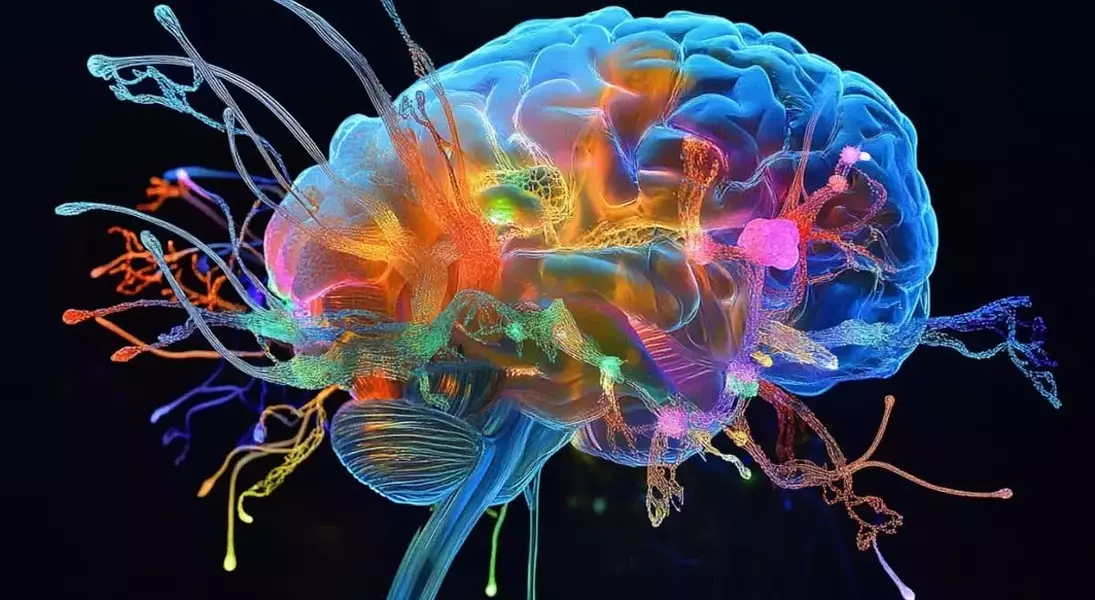
The thalamus, often overlooked in favor of more prominent brain regions like the cortex and hippocampus, has recently emerged as a critical player in shaping neural connections. Cutting-edge research reveals that this deep-brain structure can independently modify its own wiring based on sensory experiences, challenging long-held assumptions about how the brain adapts to its environment.
Scientists have discovered that neurons within the thalamus exhibit remarkable adaptability, particularly during early development but also persisting into adulthood. Using advanced techniques to monitor cellular activity, researchers exposed mice to controlled visual stimuli and observed lasting changes in the thalamus's response patterns. These findings suggest that the thalamus plays an active role in refining sensory information, independent of cortical influence. This capability opens new avenues for understanding how the brain processes and updates information throughout life.
Beyond advancing scientific knowledge, these insights could revolutionize treatments for neurodevelopmental disorders. By targeting the thalamus, therapies might more effectively reshape brain-wide connectivity, potentially improving outcomes for conditions such as autism. Modulating neurotransmitter activity in this region could enhance sensory processing and cognitive function, offering hope for interventions that focus on a single strategic area rather than multiple scattered sites across the brain. Embracing the thalamus as a key player in neural plasticity underscores the importance of exploring all aspects of brain function to foster human potential.
Exploring the hidden depths of the thalamus not only reshapes our understanding of brain plasticity but also highlights the brain's incredible capacity for adaptation and resilience. This research inspires us to rethink traditional models of cognition and embrace a more holistic view of neural function. By uncovering the untapped potential of lesser-known brain regions, we move closer to unlocking solutions for neurological challenges while celebrating the marvels of the human mind.
