This comprehensive analysis dives into the subtle yet significant impact of baking sheet linings on the final outcome of roasted vegetables. It meticulously compares bare metal, aluminum foil, and parchment paper, revealing how each material influences heat transfer, moisture retention, and ultimately, the browning and crispness of your culinary creations. Through a series of controlled experiments, this report aims to demystify the science behind perfect roasting, providing clear insights into achieving optimal flavor and texture. It challenges conventional kitchen practices, emphasizing the importance of direct heat contact for superior caramelization and offering practical recommendations for home cooks. The findings underscore that while convenience is appealing, understanding the fundamental principles of heat transfer can significantly elevate your roasting game.
Revealing the Roasting Revolution: A Deep Dive into Baking Sheet Dynamics
In a groundbreaking series of experiments, conducted with rigorous precision in a modern culinary laboratory, the long-standing debate over the ideal baking sheet lining for roasting vegetables has been conclusively settled. These tests, meticulously carried out, unveiled compelling evidence that the choice of lining profoundly impacts the browning and crispness of roasted produce.
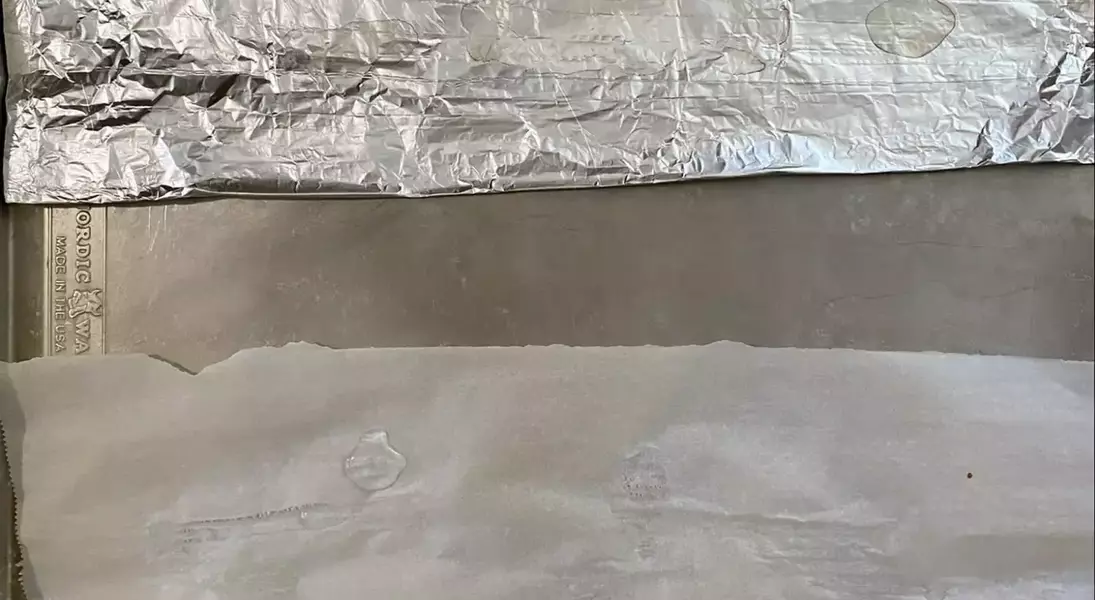
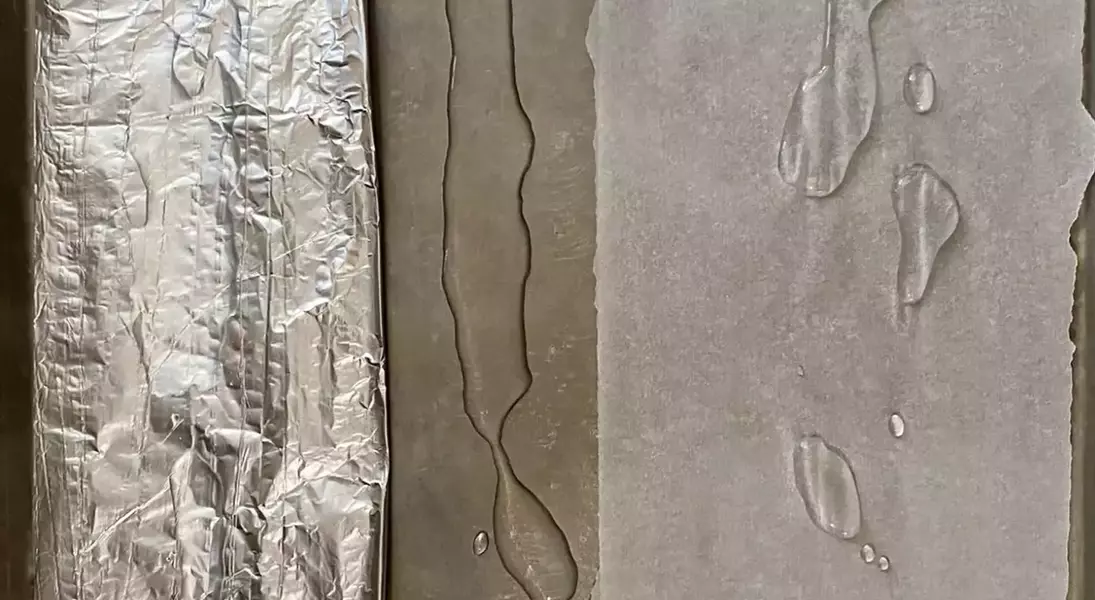
The initial phase involved a controlled water evaporation trial at 425°F (218°C), designed to isolate and observe thermal conductivity. Water placed on a bare aluminum sheet vanished first, closely followed by the foil-lined section. In stark contrast, water on the parchment-lined area lingered noticeably, with droplets stubbornly adhering to its cooler surface. This initial observation served as a crucial indicator: parchment paper, with its significantly lower thermal conductivity (0.18 W/m·K) compared to aluminum foil (237 W/m·K), acted as an insulator, impeding efficient heat transfer and trapping moisture.
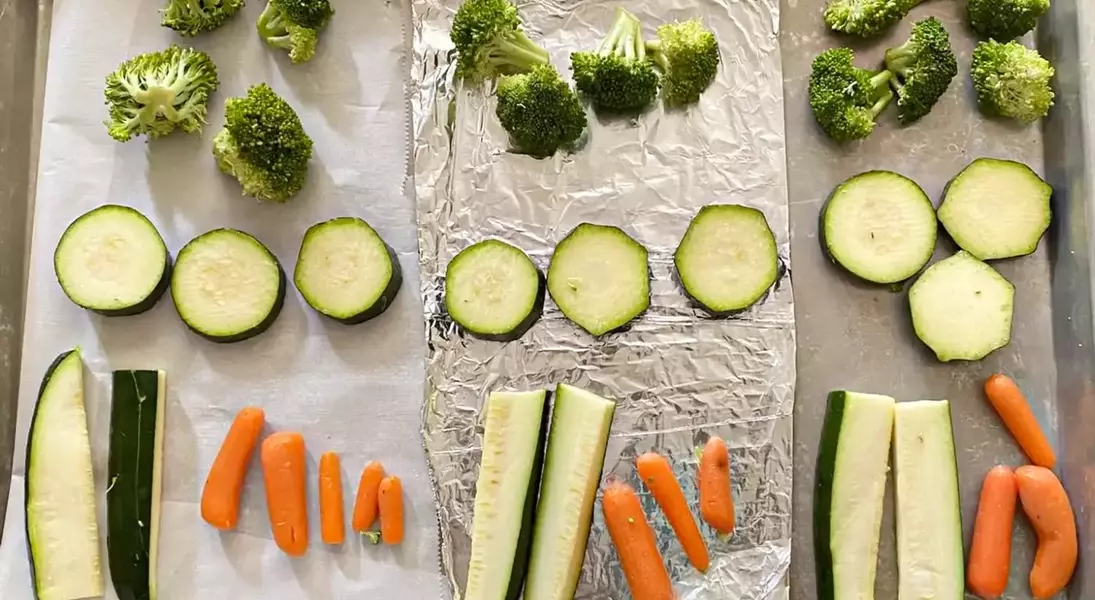
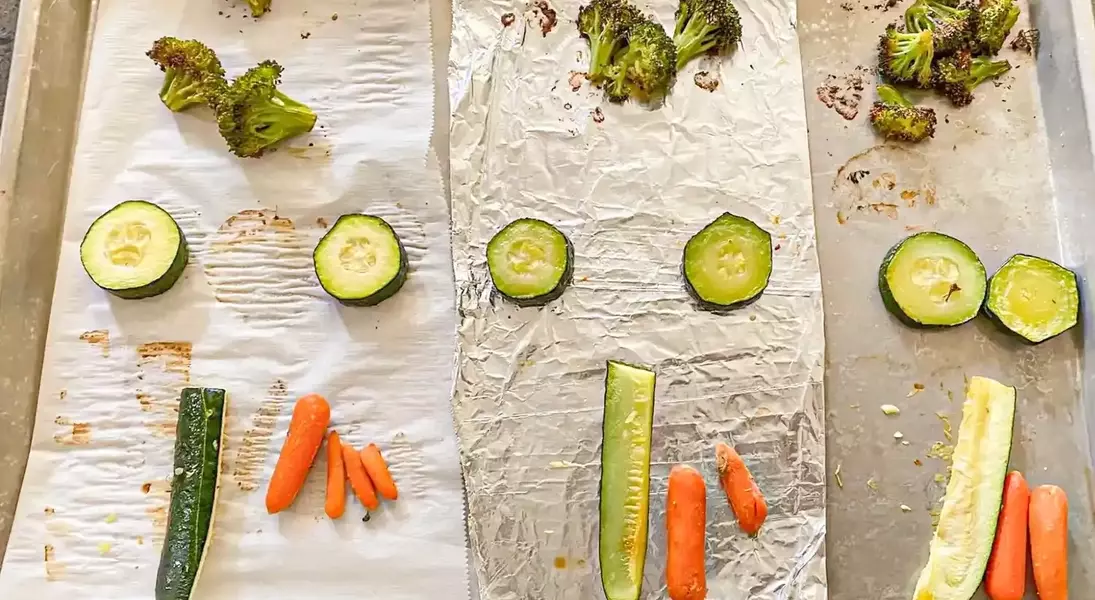
Subsequent trials involved roasting a vibrant array of autumn's bounty. Fresh broccoli florets, vibrant zucchini slices, and earthy carrots were uniformly arranged across bare metal, foil, and parchment sections of a baking sheet. After 20 minutes in a 425°F oven, the disparities were strikingly clear. The vegetables on the bare metal achieved the most profound browning and satisfying crispness, exhibiting the coveted Maillard reaction. Those on aluminum foil presented commendable results, nearly matching the bare metal's performance, albeit retaining a touch more moisture. However, the vegetables on parchment paper appeared notably paler, with a less desirable, softer texture, confirming the insulating effect observed in the water test. The lack of direct, intense heat transfer hindered the development of rich, caramelized flavors and textures.
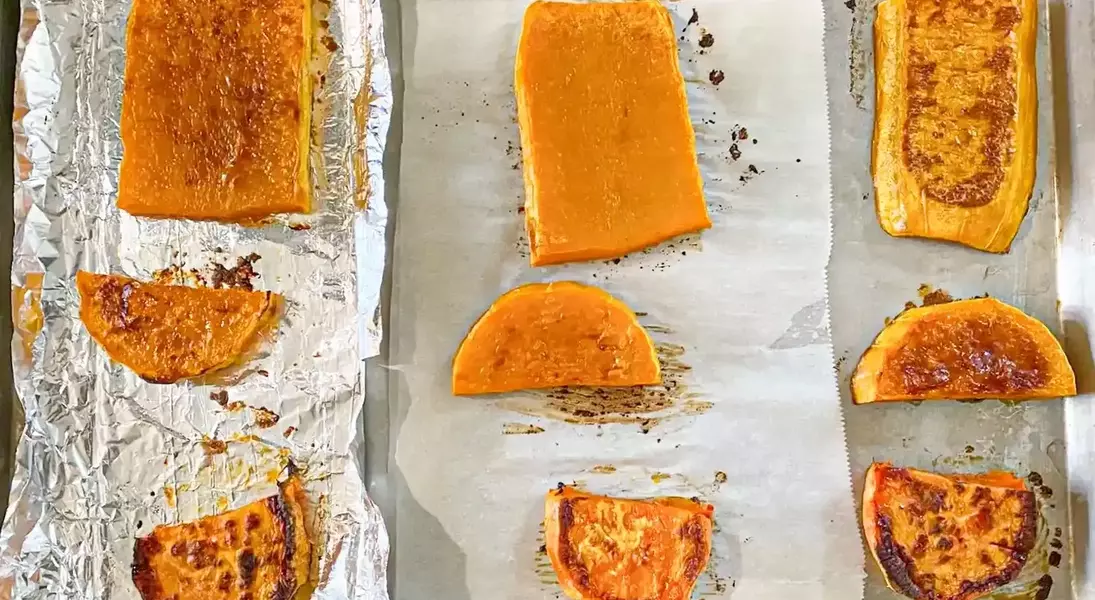
Furthering the investigation, starchy, sugar-rich vegetables, known for their propensity to caramelize, were introduced. Butternut squash and sweet potatoes were roasted under identical conditions. The sweet potatoes, in particular, showcased dramatic differences: the bare metal and foil-lined sections boasted beautifully charred, candy-like edges, a testament to direct contact with the hot surface. Conversely, the parchment-lined sweet potatoes lacked this alluring caramelization, appearing underdeveloped and less flavorful. This conclusively demonstrated that parchment, while convenient for cleanup, actively obstructs the desirable browning reactions crucial for roasted vegetables.
The scientific explanation behind these observations points to the fundamental principles of heat transfer. Bare metal and aluminum foil, being excellent thermal conductors, rapidly transfer heat to the food, promoting quick moisture evaporation and intense caramelization. Parchment, acting as an insulating barrier, slows this process, causing steam to condense on its cooler surface, creating a barrier that delays browning and can lead to a less desirable texture. While parchment offers nonstick benefits and ease of cleaning, these experiments firmly establish that for optimal browning and crispness in roasted vegetables, direct contact with a hot metal surface, or a very thin layer of highly conductive aluminum foil, is paramount. The payoff in flavor and texture far outweighs the minimal effort of additional cleaning.
As a passionate home cook and observer of culinary science, this investigation offers profound insights. It challenges the common practice of routinely lining baking sheets with parchment paper for roasting vegetables. While the convenience of easy cleanup is undeniable, the sacrifice in flavor and texture is, in my opinion, too significant. This isn't to say parchment paper is without its uses; its nonstick properties are invaluable for delicate pastries or cookies where even baking and easy release are primary concerns. However, for vegetables, where the goal is that deep, caramelized, and slightly charred exterior, embracing the bare metal or opting for foil is a game-changer. It's a reminder that sometimes, the simplest methods yield the most profound results, and a little extra scrubbing is a small price to pay for truly exceptional food.
