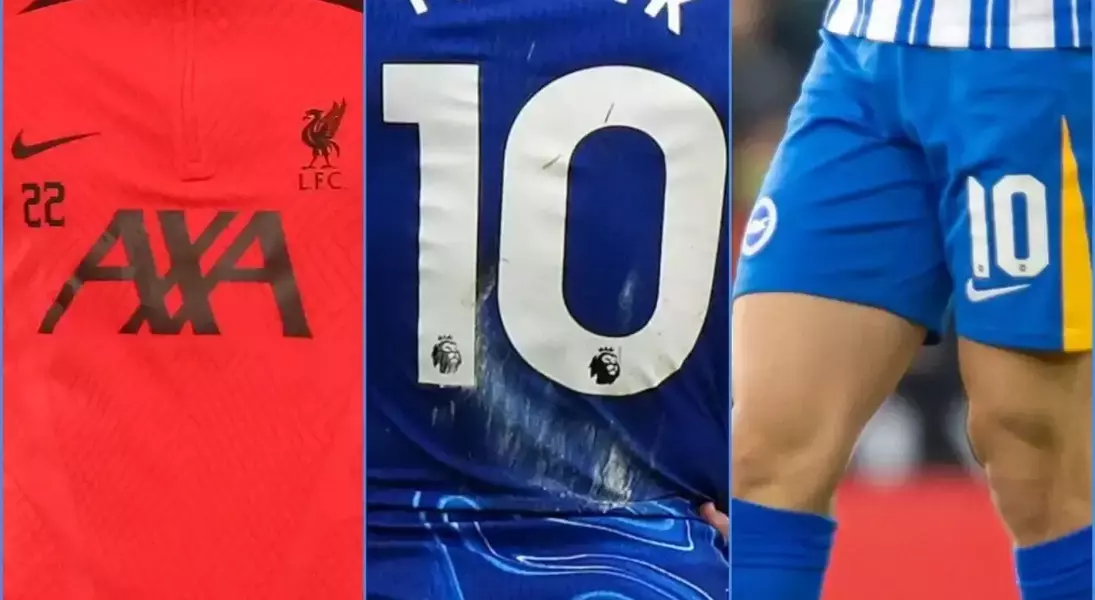
In the unpredictable arena of Premier League football, the assignment of squad numbers serves as a silent, yet powerful, indicator of a player's status within their club. Recent developments have seen a number of high-profile athletes experience significant changes to their jersey numbers, reflecting shifts in team dynamics, the arrival of new talent, and, at times, a player's own challenging circumstances. These changes underscore the relentless competition and fluid nature of professional football, where a number can symbolize a player's current standing or a potential decline in their influence on the pitch.
A closer look at these transitions reveals a variety of underlying factors. For instance, players like Brighton's Julio Enciso and Liverpool's Calvin Ramsay have seen their numbers reallocated, partly due to persistent injury setbacks that have curtailed their on-field contributions and opened doors for others. Similarly, the strategic vision of new managers or the influx of expensive acquisitions can directly impact existing squad members, as observed with Burnley's Oliver Sonne, Shurandy Sambo, and Manuel Benson, whose numbers were claimed by incoming players or those with a higher pecking order. Furthermore, the stripping of a number, as was the case for Chelsea's Mykhaylo Mudryk and Manchester City's Kalvin Phillips, often signals a more profound shift, potentially reflecting a dip in performance, disciplinary issues, or a clear indication that the player no longer fits into the club's long-term plans. These instances collectively paint a vivid picture of the challenging environment in which professional footballers operate, where career trajectories can be altered swiftly and decisively.
Ultimately, these adjustments in squad numbers are more than mere administrative decisions; they are symbolic moments that resonate deeply within the footballing community, reflecting the continuous pursuit of excellence and renewal in professional sports. They highlight the resilience required of players to navigate setbacks, adapt to new roles, or, when necessary, seek fresh opportunities. This constant evolution ensures that the sport remains vibrant and competitive, pushing individuals and teams alike to strive for improvement, overcome adversity, and embrace change as an intrinsic part of the journey toward success. Every challenge faced and every adaptation made contributes to the dynamic narrative of football, inspiring players and fans to believe in the power of perseverance and the potential for a brighter future.
