Visceral fat, the deep abdominal fat surrounding internal organs, is a silent health risk, contributing to inflammation and increasing susceptibility to chronic illnesses such as heart disease, type 2 diabetes, and cancer. However, embracing specific vegetables can be a powerful strategy in combating this hidden fat. Dietitians emphasize that the right vegetables not only enrich your plate but also promote hormonal balance, support liver detoxification, enhance gut health, and reduce inflammatory responses. This targeted nutritional approach is crucial for reversing central obesity and establishing a healthier metabolic equilibrium. Beyond dietary adjustments, incorporating high-intensity interval training (HIIT) into your fitness routine, coupled with effective stress management and adequate sleep, can further amplify visceral fat reduction efforts, leading to significant improvements in overall health and well-being.
The Dietary Defense Against Visceral Fat
Specific vegetables are potent allies in the battle against visceral fat, offering a range of benefits that extend beyond basic nutrition. These powerful plant foods are packed with vital nutrients and compounds that actively work to diminish internal fat stores and improve metabolic health. Dietitians specifically point to spinach, cauliflower, Brussels sprouts, artichokes, and red cabbage as exceptional choices, each bringing unique fat-fighting properties to the table. Integrating these vegetables into your daily meals can provide a robust defense against visceral fat, helping to foster a healthier internal environment and reduce the risks associated with excessive abdominal fat accumulation.
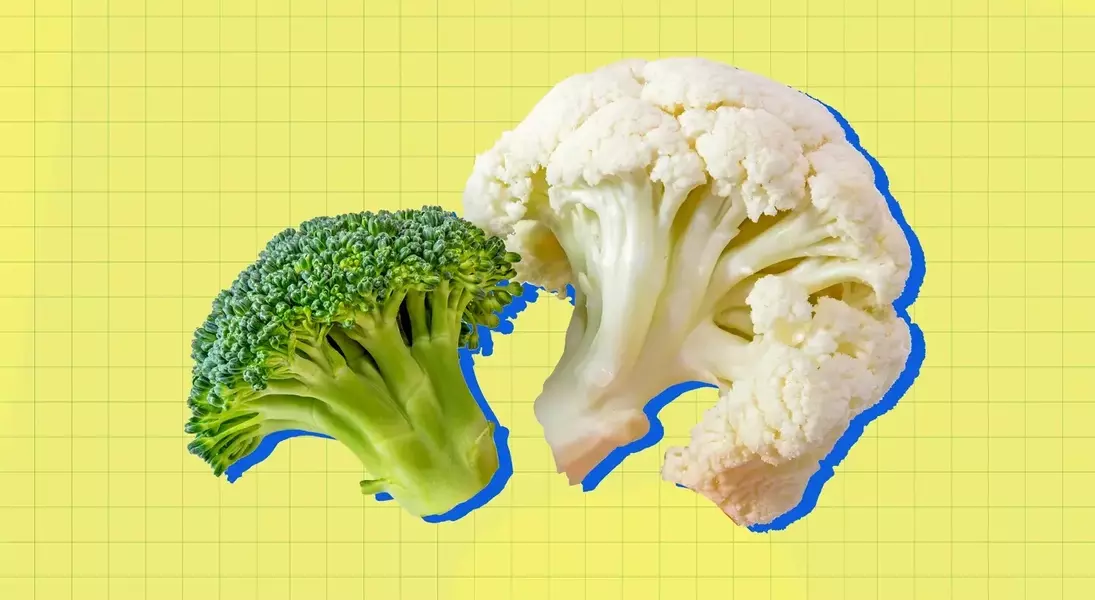
Spinach, a leafy green powerhouse, is rich in carotenoids such as lutein, zeaxanthin, and beta-carotene. These antioxidants combat inflammation and have been linked to reduced visceral fat levels, with studies showing a correlation between higher carotenoid intake and lower internal fat in obese men. Its high fiber and low-calorie content also promote satiety, aiding overall calorie reduction. Cauliflower, a cruciferous vegetable, contains glucosinolates that convert to sulforaphane upon consumption. This compound is known to reduce inflammation and enhance insulin sensitivity, crucial factors in preventing visceral fat accumulation. Similarly, broccoli, another cruciferous vegetable, offers sulforaphane, coupled with appetite-controlling fiber and antioxidants, which contribute to weight loss by increasing fullness. Brussels sprouts combine the benefits of sulforaphane and carotenoids, delivering a dual action against visceral fat while protecting against chronic diseases like cancer and heart disease. They are also an excellent source of fiber, providing substantial satiety for minimal calories. Artichokes stand out for their exceptionally high fiber content, which not only promotes fullness and reduces calorie intake but also supports healthy gut bacteria, vital for weight management and fat loss. Lastly, red cabbage is loaded with anthocyanins, powerful antioxidants that may facilitate fat burning and specifically target visceral fat by favorably altering gut bacteria. Even fermented forms like kimchi, rich in probiotics, have shown promise in reducing visceral fat.
Holistic Strategies for Visceral Fat Reduction
Beyond incorporating specific vegetables into your diet, a comprehensive approach to reducing visceral fat involves integrating a variety of lifestyle modifications. These strategies work synergistically to create an environment within the body that discourages fat storage and promotes overall metabolic health. Embracing these changes can lead to significant and sustainable reductions in visceral fat, improving long-term health outcomes and enhancing quality of life. This holistic perspective acknowledges that effective visceral fat management extends beyond diet to encompass physical activity, stress mitigation, and adequate rest.
To effectively combat visceral fat, a multifaceted approach is most beneficial. Increasing fruit intake is crucial; research indicates that adults who consume more fruits and vegetables tend to have less visceral fat due to their high fiber and water content, which promote satiety and aid in calorie control. Integrating high-intensity interval training (HIIT) into your exercise regimen has proven more effective than traditional resistance training for reducing visceral fat, providing short bursts of intense activity followed by brief recovery periods. Stress management is equally important, as chronic stress elevates cortisol levels, a hormone linked to increased belly fat storage. Daily practices like meditation or deep breathing can lower cortisol, mitigating its fat-promoting effects. Prioritizing adequate sleep, aiming for seven to eight hours per night, is also vital; insufficient sleep is associated with higher visceral fat dueimbalances in brain and hunger hormones. Establishing a consistent, relaxing bedtime routine can improve sleep quality. Finally, moderating alcohol consumption is advisable. Alcohol is calorie-dense and can lead to poor food choices, contributing to weight gain and visceral fat accumulation. By combining these dietary and lifestyle adjustments, individuals can create a powerful defense against visceral fat, fostering a healthier body and reducing the risk of associated chronic diseases.
