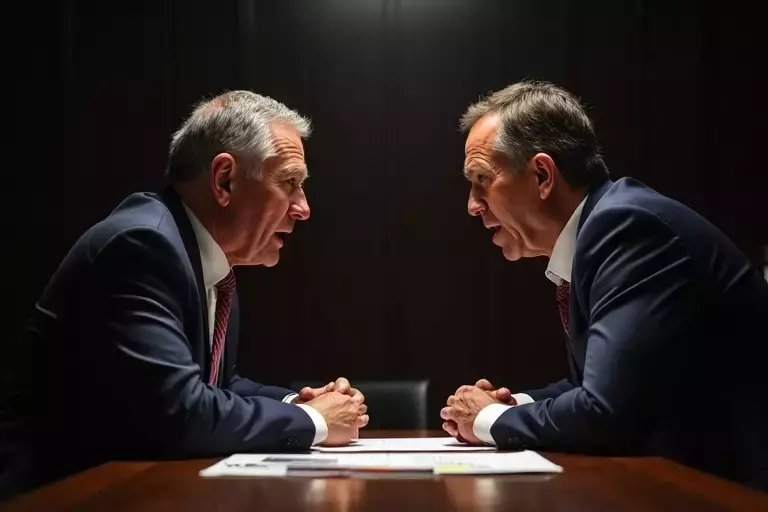
In a rare behind-the-scenes account, sources reveal an intense confrontation between Peter V’landys and Vin Cox during a pivotal meeting in May 2023. The encounter sheds light on the complex relationship between Racing NSW and one of the world’s most influential horse racing entities, Godolphin.
EXPOSING THE UNSEEN REALITIES OF HORSE RACING POLITICS
The Central Figures: Two Titans Clash
The room was silent except for the echoes of raised voices. At the heart of this dramatic scene sat Peter V’landys, then at the helm of Racing NSW, and Vin Cox, representing Godolphin—a name synonymous with power and prestige in global horse racing. Their meeting marked more than just a routine discussion; it symbolized the broader tensions that often arise when corporate interests intersect with regulatory oversight. V’landys, known for his direct approach, allegedly delivered a tirade of accusations against Godolphin, questioning their influence within the industry. Meanwhile, Cox maintained composure, listening intently while preparing to defend his organization’s integrity. This clash represented not only personal differences but also the larger debate over fairness and transparency in high-stakes competitions.To fully understand the implications of this meeting, one must delve into the personalities involved. V’landys has long been a polarizing figure in Australian sports administration, praised by some for his bold decisions yet criticized by others for his abrasive style. His actions during this meeting reflect a pattern of assertiveness aimed at protecting what he perceives as the best interests of Racing NSW. On the other side, Vin Cox embodies the quiet confidence characteristic of those working under Sheikh Mohammed bin Rashid Al Maktoum’s empire. His role involves navigating delicate relationships with various stakeholders while ensuring Godolphin remains competitive without compromising ethical standards. Together, these two leaders encapsulate the dynamic tension inherent in modern horse racing governance.An Industry Under Scrutiny
The significance of this meeting extends far beyond its immediate participants. Horse racing, particularly in Australia, operates within a framework where financial stakes are astronomically high, and reputations hang precariously in the balance. For Racing NSW, maintaining public trust is paramount, especially amid allegations of favoritism or undue influence from powerful players like Godolphin. These concerns resonate deeply across the industry, prompting calls for greater accountability mechanisms to safeguard the sport’s credibility.Moreover, such incidents highlight the intricate web of partnerships and rivalries that define contemporary horse racing. While collaborations can drive innovation and growth, they also introduce potential conflicts of interest. In this context, the exchange between V’landys and Cox serves as a microcosm of broader challenges facing the sector. It raises questions about how organizations should manage external pressures while upholding core principles of equity and transparency. Addressing these issues requires not merely reactive measures but proactive strategies designed to foster mutual respect among all parties involved.Evaluating the Fallout: Impacts and Lessons Learned
In the aftermath of this explosive meeting, both individuals likely grappled with the consequences of their interactions. For V’landys, his vocal stance might have bolstered perceptions of strength and conviction among supporters who value decisive leadership. However, critics could argue that such confrontational tactics risk alienating key allies necessary for achieving long-term goals. Conversely, Vin Cox faced the challenge of preserving Godolphin’s reputation amidst scrutiny, emphasizing the importance of strategic communication and diplomacy in resolving disputes effectively.Beyond individual impacts, this incident underscores critical lessons applicable throughout the horse racing community. First, open dialogue remains essential for addressing grievances constructively rather than allowing them to escalate into adversarial exchanges. Second, fostering collaborative environments where diverse perspectives coexist strengthens collective efforts toward advancing the sport sustainably. Finally, prioritizing ethical considerations ensures longevity and relevance in an ever-evolving landscape characterized by increasing globalization and technological advancements.Ultimately, the events unfolding in that boardroom serve as a poignant reminder of the human element underlying even the most structured industries. They illustrate how personal beliefs, values, and experiences shape decision-making processes and ultimately influence outcomes. By examining this episode closely, we gain valuable insights into navigating similar situations moving forward.