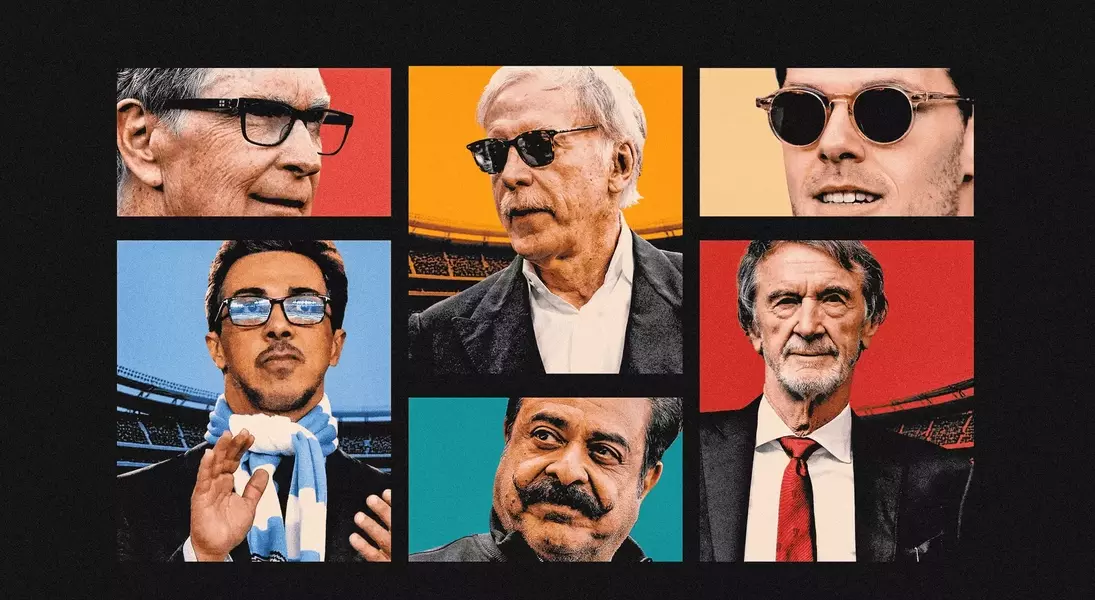
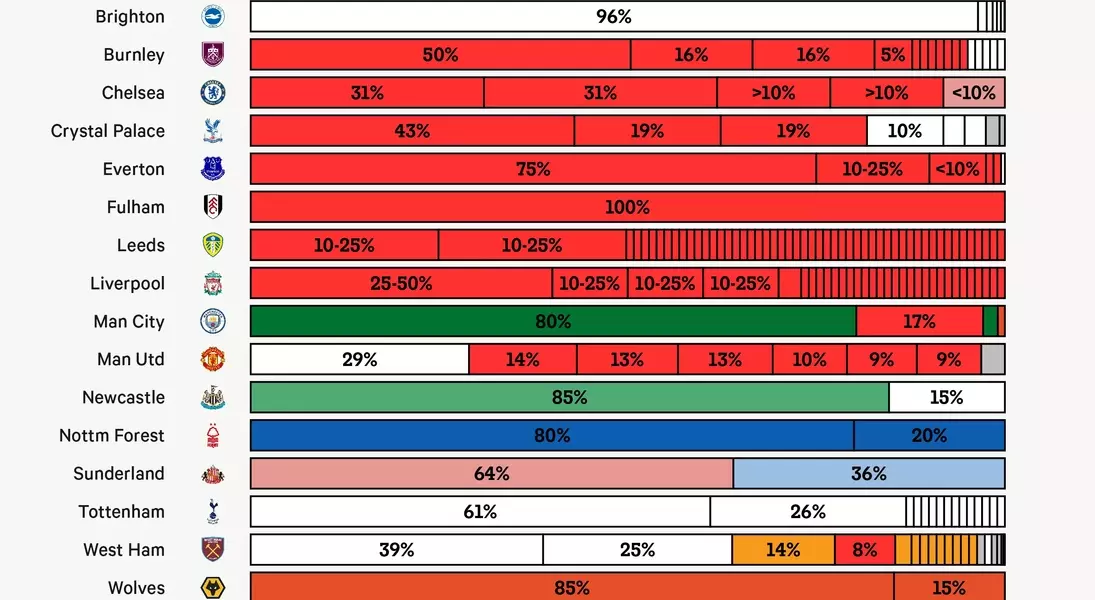


As the new Premier League season approaches, an in-depth examination sheds light on the convoluted ownership landscapes of the league's 20 constituent clubs. This comprehensive review not only dissects the intricate details of who holds the reins at each institution but also delves into the extent of their multi-club affiliations and the diverse range of other enterprises under their control. A striking revelation from this analysis is the prominent influence of American capital, which now constitutes a substantial portion, nearly 49 percent, of the ownership across England's top football division. This exploration underscores that, with only a few exceptions, club ownership is rarely a straightforward affair, often involving multiple stakeholders and sprawling business empires that extend far beyond the football pitch.
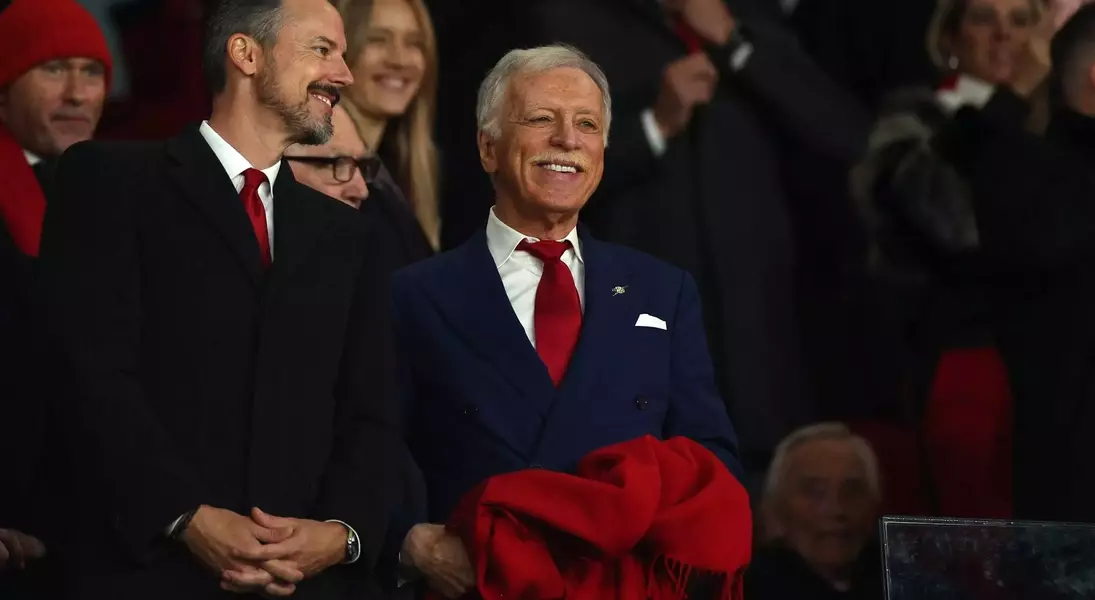
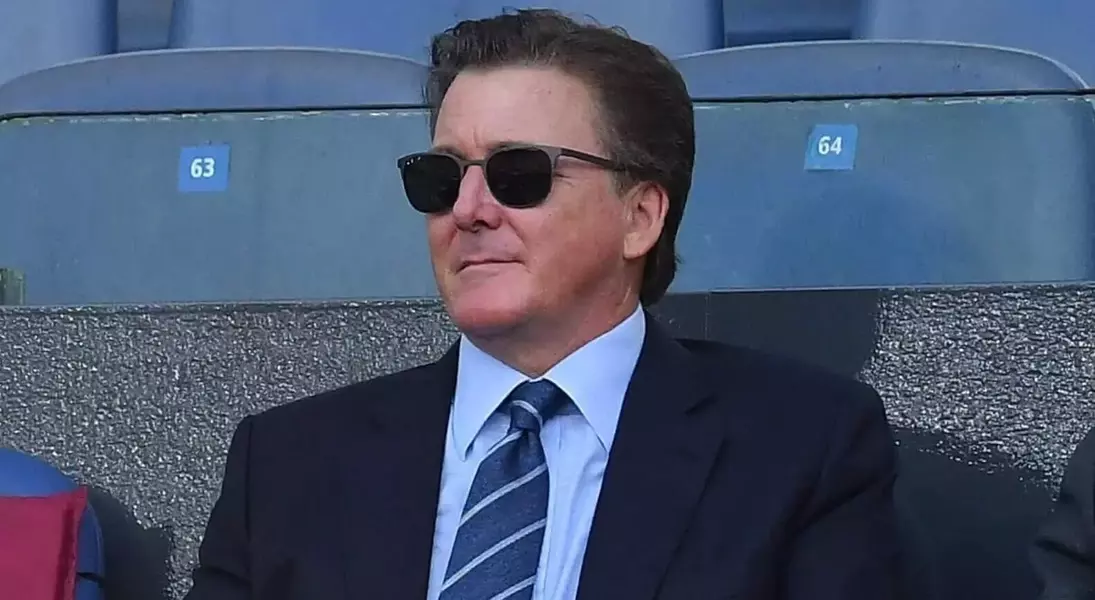
The current Premier League landscape showcases a fascinating blend of ownership models, from singular, dominant shareholders to complex syndicates with varied interests. For instance, Arsenal and Fulham stand out as clubs with a single, clear owner. Stan Kroenke, through KSE Inc UK, has fully owned Arsenal since September 2018. His investment journey began in 2007, gradually increasing his stake until he acquired 100 percent of the club's shares. Beyond Arsenal, Kroenke's KSE possesses a vast sports portfolio including the Colorado Rapids in MLS, the Los Angeles Rams in the NFL, the Denver Nuggets in the NBA, and the Colorado Avalanche in the NHL, making it one of the world's most formidable sporting entities. His personal wealth also derives from extensive real estate holdings, particularly shopping centers and vast tracts of ranch land across the U.S., alongside luxury wineries in California and France.
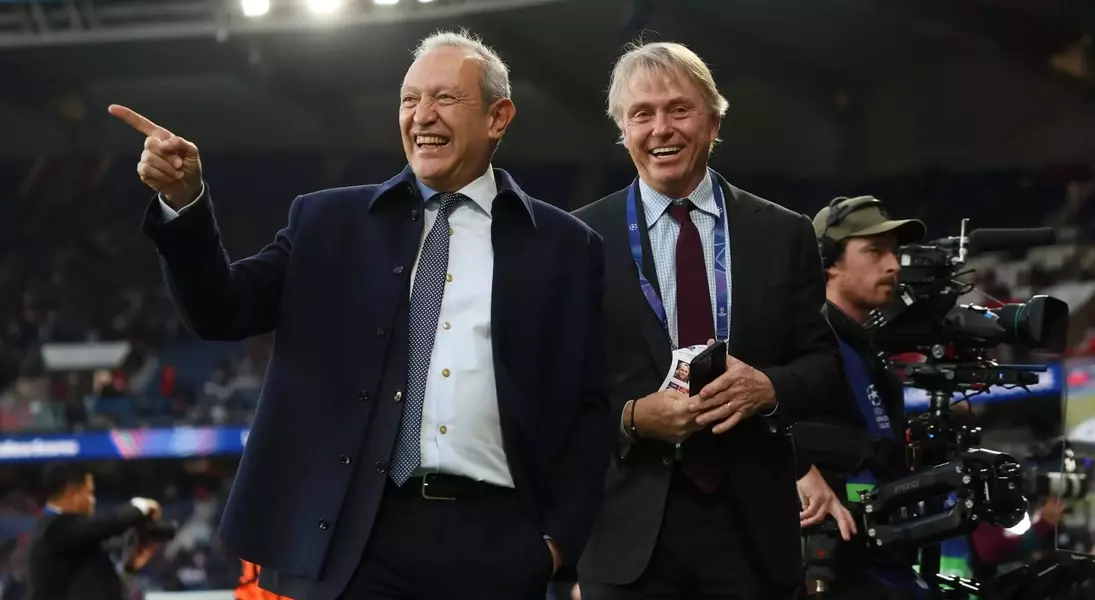
Aston Villa, on the other hand, exemplifies a shared ownership model. Since July 2018, the club has been under the joint control of Nassef Sawiris and Wes Edens, operating through NSWE SCS, a Luxembourg-based company. Their ownership structure has become even more layered with the recent investment from Atairos Partners LP, an American firm, which now holds a significant stake in V Sports, the entity overseeing Villa's operations. This dilution reflects a broader trend of diversified investment in football. Sawiris and Edens also maintain extensive business interests outside of football, including the Milwaukee Bucks NBA franchise for Edens, and OCI Global, a major industrial company, for Sawiris, illustrating the deep and varied financial roots of club proprietors.
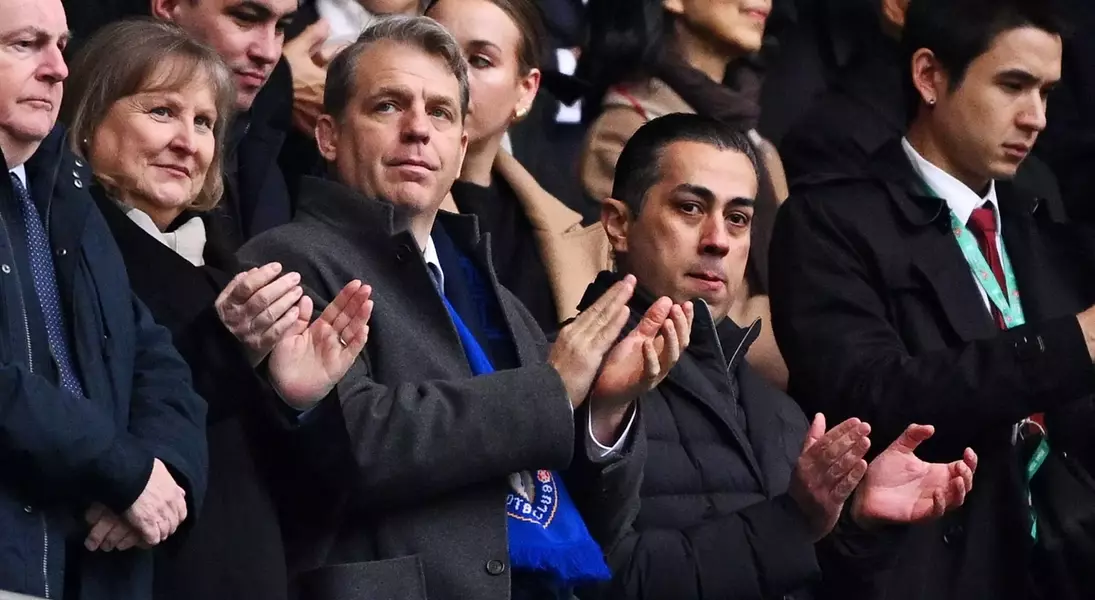
Similarly, Chelsea's ownership transitioned significantly in May 2022, following sanctions against its previous owner. A new consortium, led by Todd Boehly, Clearlake Capital, and Mark Walter, took control in a multi-billion-pound deal. Clearlake Capital holds the majority stake, controlled by its founders Behdad Eghbali and Jose E. Feliciano, while Boehly leads a minority group. This complex arrangement highlights the modern investment landscape in elite sports. Their collective interests span major U.S. sports franchises like the Los Angeles Dodgers, Lakers, and Sparks, alongside vast asset management and financial advisory firms, demonstrating a concentrated effort to diversify and expand their sporting and commercial footprints.
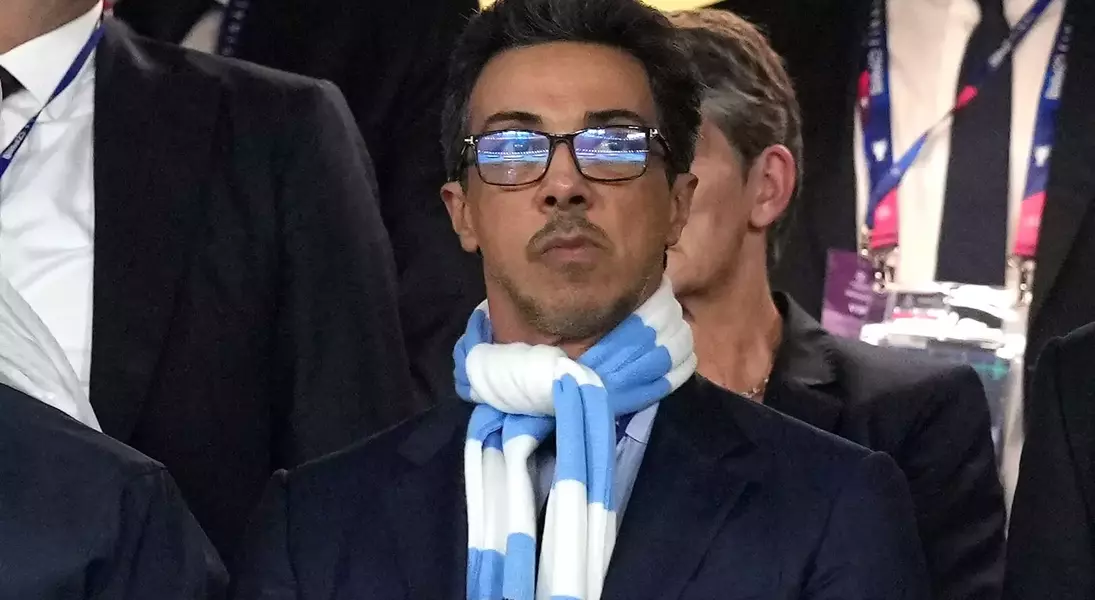
The multi-club model is another prominent theme, particularly evident with Manchester City. The club is the cornerstone of the City Football Group (CFG), a global football conglomerate spanning five continents and 12 clubs. Majority-owned by Sheikh Mansour bin Zayed Al Nahyan's Newton Investment & Development - Sole Proprietorship LLC, CFG includes teams like New York City FC, Melbourne City, and Girona, among others. This extensive network facilitates player development and brand expansion on a global scale. Sheikh Mansour's vast influence extends through his leadership of Abu Dhabi's sovereign wealth funds, linking the club to an enormous array of international businesses and entities, further blurring the lines between private investment and state-backed enterprises.
Manchester United, despite its long-standing ownership by the Glazer family, has recently seen a shift with Sir Jim Ratcliffe's INEOS acquiring a significant minority stake and control over football operations. This move introduces United into INEOS's existing multi-club network, which includes French side Nice and Swiss club Lausanne-Sport. Beyond football, the Glazer family maintains substantial real estate holdings and other diverse ventures, while INEOS, a multinational chemicals conglomerate, also boasts a strong presence in high-performance sports like Formula One racing and cycling. This dual ownership structure at Old Trafford underscores the strategic and financial complexities now common at the pinnacle of European football.
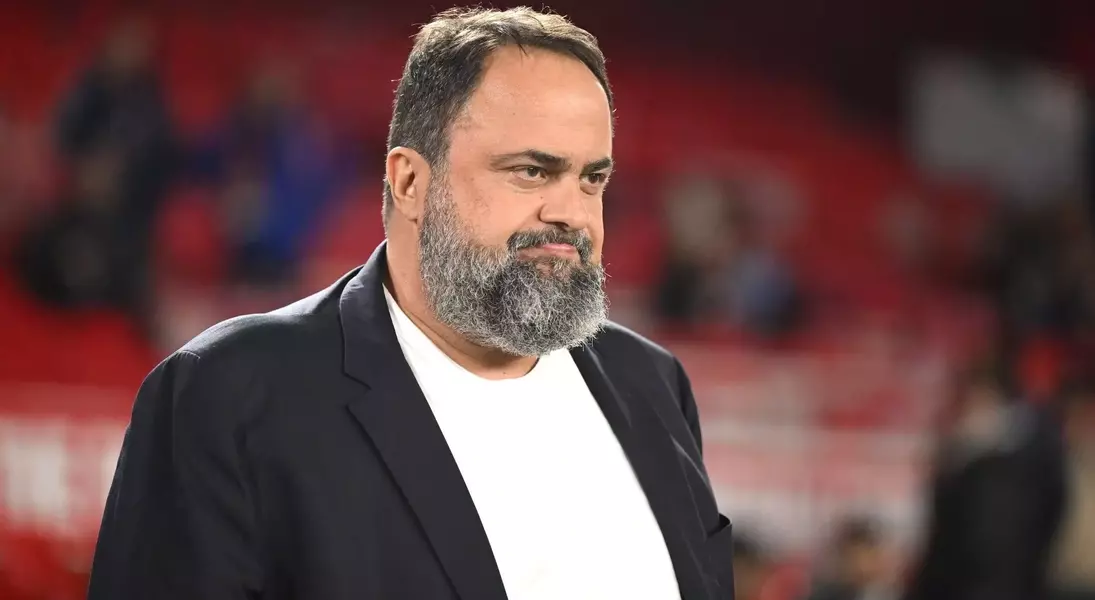
Nottingham Forest's ownership under Greek national Evangelos Marinakis showcases another instance of multi-club involvement. Marinakis, who is the majority shareholder of Forest, also controls Greek champions Olympiacos and holds a significant stake in Portuguese club Rio Ave. His extensive business interests include Capital Maritime & Trading Corporation, a major international shipping company, and Alter Ego Media, a leading Greek media group. Marinakis's recent temporary ceding of control at Forest, due to UEFA regulations regarding multi-club ownership in European competitions, highlights the intricate challenges and compliance requirements faced by owners with stakes in multiple clubs vying for the same continental tournaments.
The ownership tapestry of the Premier League is a vibrant mosaic of global investors, each bringing a unique blend of business acumen and diverse portfolios to their respective clubs. From established tycoons to emerging investment groups, the financial backing of these clubs often extends far beyond the football pitch, encompassing sectors ranging from real estate and automotive industries to technology and entertainment. This intricate web of ownership, marked by shared stakes, multi-club affiliations, and expansive commercial interests, continues to shape the competitive landscape and financial dynamics of the world's most watched football league.
