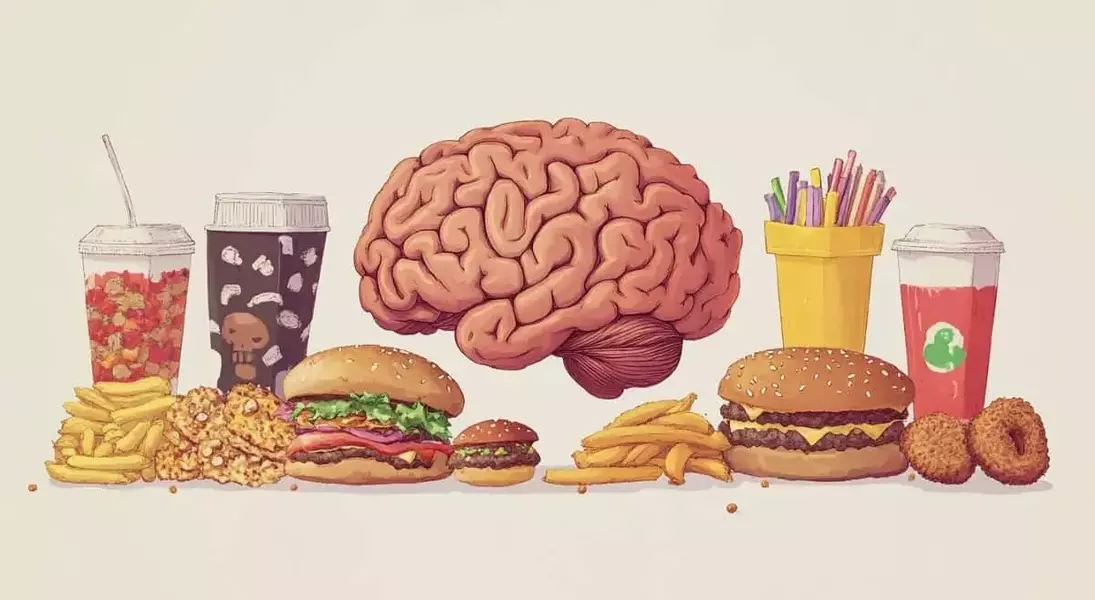
In a groundbreaking study, researchers at UC Berkeley have unraveled the role of neurotensin in regulating food pleasure and its implications for obesity. The team discovered that chronic high-fat diets diminish the brain peptide neurotensin, which interacts with the dopamine network to influence eating behaviors. This reduction leads to a decreased desire for calorie-rich foods, paradoxically worsening obesity by fostering habitual, joyless eating. Restoring neurotensin levels in mice not only revived their interest in high-calorie foods but also promoted healthier eating patterns and weight loss.
Exploring the Role of Neurotensin in Eating Behavior
At the University of California, Berkeley, scientists conducted experiments on mice fed a high-fat diet. In a fascinating twist, these mice showed less enthusiasm for indulging in calorie-dense treats when removed from their usual environment, despite their preference for fatty chow in home cages. The researchers pinpointed this behavioral change to reduced levels of neurotensin in specific brain regions connected to the dopamine system. Through optogenetic techniques, they stimulated neural circuits associated with reward and motivation, revealing that normal-diet mice responded positively, whereas obese counterparts remained indifferent due to diminished neurotensin activity. Remarkably, restoring neurotensin through dietary adjustments or genetic manipulation reversed these effects, improving both physical and mental health indicators in the mice.
Key findings include the observation that reinstating neurotensin not only normalized eating habits but also alleviated anxiety and enhanced mobility among obese subjects. These results suggest potential therapeutic strategies targeting neurotensin pathways could revolutionize obesity treatment without undesirable side effects. Furthermore, understanding how prolonged exposure to unhealthy diets alters neural mechanisms offers valuable insights into combating related disorders such as diabetes and eating anomalies.
This research took place primarily within neuroscience laboratories at UC Berkeley under the leadership of Professor Stephan Lammel, who specializes in studying brain circuits involved in reward processing. Collaborators included experts from Switzerland, China, and other American institutions, ensuring comprehensive analysis across diverse scientific fields.
A New Perspective on Obesity Treatment
The discovery opens doors for more precise interventions aimed at restoring natural enjoyment of food while managing caloric intake effectively. From a journalist's perspective, this study highlights the complexity of human physiology and challenges preconceived notions about overeating being solely driven by hedonistic desires. It encourages further exploration into personalized medicine approaches tailored to individual biochemical profiles, potentially leading to long-lasting solutions against one of today's most pressing public health issues—obesity. By addressing underlying neurological imbalances rather than merely focusing on external factors like portion control or exercise routines, we might finally achieve meaningful progress toward healthier lifestyles worldwide.
