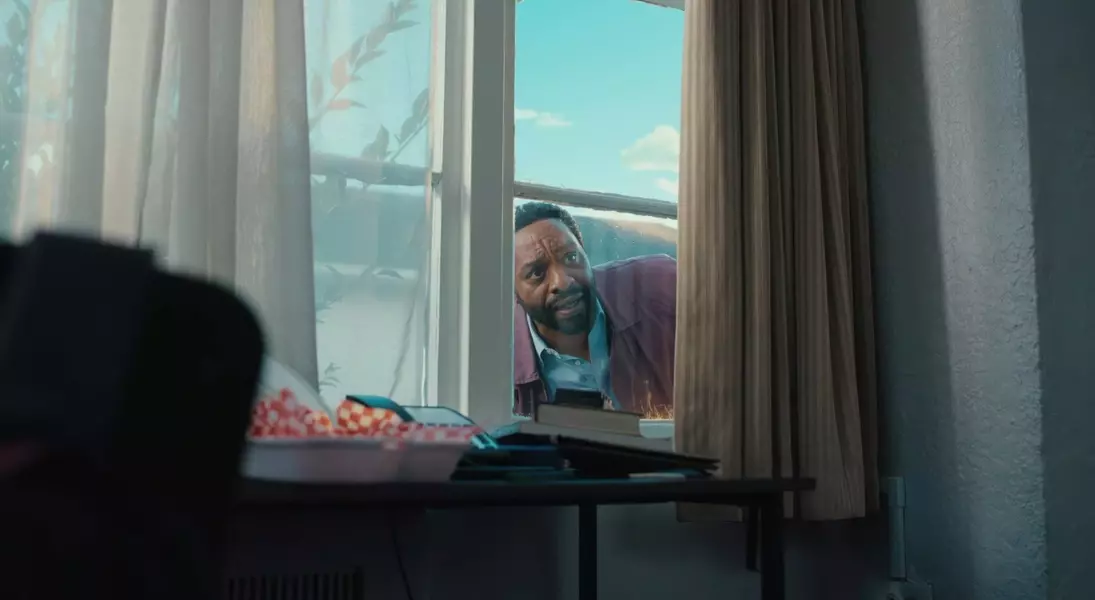
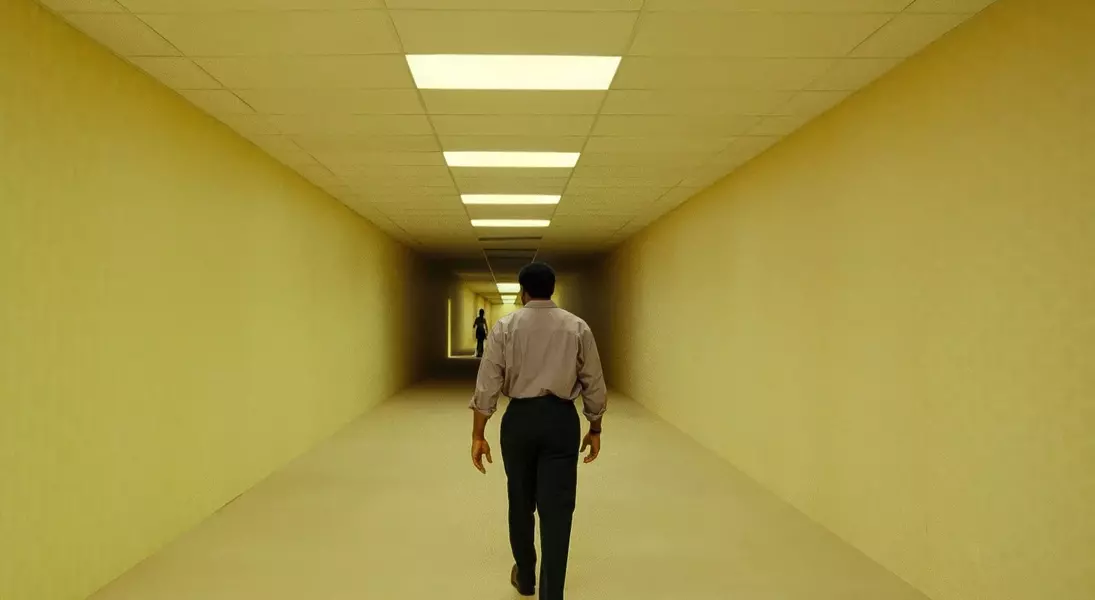
Director Kane Parsons offers a fascinating glimpse into the creative process behind his unsettling horror film, 'Backrooms,' exploring the symbolic choices, the blend of practical and digital effects, and the conceptual underpinnings of its stable yet ominous interdimensional portals. The film, poised for a significant box office debut, encourages deep discussion among viewers about its subtle intricacies and overarching themes.
Parsons' explanations shed light on the film's deliberate narrative decisions, from the presence of specific animal life within the mysterious realm to the complex interplay of constructed environments and digital artistry. His insights reveal a thoughtful approach to adapting the internet phenomenon into a cinematic experience that resonates with contemporary cultural critiques.
The Enigmatic Presence of Seagulls in the Backrooms' Labyrinth
In 'Backrooms,' the curious appearance of seagulls amidst the infinite, yellow-walled labyrinth raises questions about the film's creature design and the nature of entry into this surreal space. Director Kane Parsons clarifies that the choice of seagulls was intentional, serving a symbolic purpose, rather than being an arbitrary element. He suggests that while logic doesn't strictly preclude any creature from entering, birds, like humans and flies, simply represent some of the unfortunate beings that have traversed into this bizarre dimension. Parsons also addresses the ambiguity surrounding their origin, implying that they likely entered through portals from the outside world, a detail that deepens the mystery of the Backrooms' ecosystem.
Parsons elaborates on the deliberate inclusion of seagulls, explaining that these specific birds were chosen to evoke a particular imagery, contributing to the film's overall unsettling atmosphere. He notes that although any creature theoretically could enter the Backrooms, the narrative specifically highlights seagulls, flies, and humans as those who found their way into this strange domain. While the film implies these birds originate from the outside world, Parsons encourages viewers to consider alternative interpretations, leaving open the possibility that they could be indigenous to the Backrooms. This ambiguity enhances the film's enigmatic quality, inviting audiences to ponder the true nature of this inexplicable realm and the fate of its inhabitants.
Crafting the Unsettling Reality of the Backrooms: Physical Sets Meet Digital Artistry
The visual construction of 'Backrooms' represents a sophisticated fusion of practical effects and digital mastery, moving beyond the purely digital environments of Parsons' original YouTube series. The director emphasized a commitment to physical sets, particularly for scenes where actors directly interact with their surroundings, creating a tangible sense of immersion. Massive stages were utilized to build a significant portion of the film's intricate world, including the basement portal, furniture piles, and distinctive rooms, encompassing an impressive 30,000 square feet. This extensive use of real-world constructs anchors the narrative in a palpable reality, enhancing the audience's engagement with the unsettling environment.
Parsons details the meticulous effort to ground the cinematic 'Backrooms' in physical reality, contrasting it with the entirely digital origins of his YouTube content. He asserts that a substantial majority of the film's environments are physical sets, especially where direct interaction between actors and their surroundings is required. This extensive reliance on practical builds, spanning four stages and 30,000 square feet, was crucial for creating a believable, immersive experience. While acknowledging the historical skepticism towards visual effects, Parsons expresses his appreciation for Blender Foundation's work and his own comfort with digital tools. He views the strategic integration of digital effects for elements like the colossal chasm not as a compromise, but as a deliberate homage to his creative roots and a "tactile blend" that enriches the film's visual tapestry, making it feel robustly constructed from the ground up.
