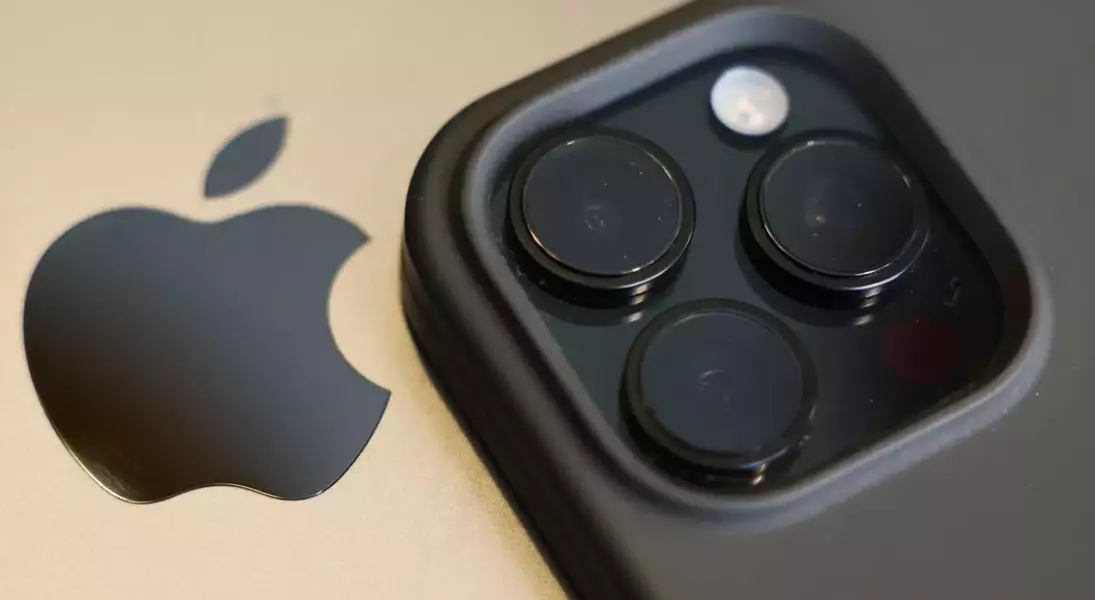
Anticipation is building for Apple's imminent product launch, where the wraps are expected to come off the new iPhone 17. While official details remain under wraps, numerous indicators suggest a substantial leap forward in the device's photographic capabilities. From a revamped physical design to enhanced internal components and new software functionalities, the next generation iPhone is poised to redefine mobile imaging.
Revolutionary Camera Enhancements Poised for iPhone 17 Debut
In the coming days, Apple Inc. is set to host a major unveiling, with all eyes on the debut of their latest mobile innovation, the iPhone 17. The tech community is buzzing with speculation, and while concrete information is scarce, persistent rumors strongly indicate that camera technology will be a focal point of this release. A significant design change that has captured attention is the evolution of the traditional 'camera bump' into a more expansive 'camera island'. This revised layout is expected to span the full width of the device's rear, offering a distinctive visual and potentially functional update.
Beyond aesthetics, considerable improvements are projected for the internal camera components. The iPhone 17 Pro is rumored to receive a substantial upgrade to its telephoto lens, moving to a 48-megapixel sensor. This enhancement is also expected to bring an impressive 8x optical zoom capability, a notable progression from the current 5x zoom found in earlier models. Furthermore, the front-facing 'selfie' camera, which has consistently featured a 12-megapixel sensor for years, is anticipated to double its resolution to 24 megapixels across the entire iPhone 17 lineup.
Software innovations are also on the horizon. Although third-party applications have long offered multi-camera video recording solutions, Apple is reportedly integrating an official multi-cam recording feature directly into the native Camera app. This could empower users to simultaneously capture footage from multiple lenses or even combine front and rear camera views within a single video. Adding to this, a new 'Pro Camera' application is rumored, potentially offering professional-grade controls over photographic and videographic settings, aligning with capabilities currently found in specialized third-party apps.
Intriguingly, an ultra-thin model, dubbed the 'iPhone 17 Air,' is also part of the speculative discourse. This model, potentially as slender as 5.5mm (excluding the camera protrusion), might feature a single rear camera as a compromise for its exceptionally slim profile. Another intriguing, albeit less certain, rumor points to the inclusion of a new physical camera button positioned on the device's top edge, aiming to provide even quicker access to camera functions. All these details are set to be confirmed during Apple's highly anticipated event on Tuesday, September 9.
The continuous evolution of smartphone cameras, exemplified by the rumored advancements in the iPhone 17, underscores a compelling truth: mobile devices are increasingly becoming sophisticated tools for creative expression. As a perpetual enthusiast of photography, I find this trend incredibly exciting. The promise of higher resolution sensors, expanded optical zoom, and native multi-camera recording signifies more than just technical specifications; it represents an accessible gateway for users to capture moments with unprecedented detail and artistic flexibility. The potential for a dedicated 'Pro Camera' app suggests a democratisation of advanced photographic controls, empowering amateur photographers to experiment with professional-level techniques. However, the reported trade-off in the 'iPhone 17 Air' with a single rear camera reminds us that design innovation often comes with compromises. This ongoing pursuit of photographic excellence in smartphones challenges traditional camera manufacturers and inspires us to reconsider the boundaries of mobile creativity. It's a testament to how technology continues to seamlessly integrate and enhance our daily lives, transforming how we perceive and interact with the world through the lens of a portable device.
