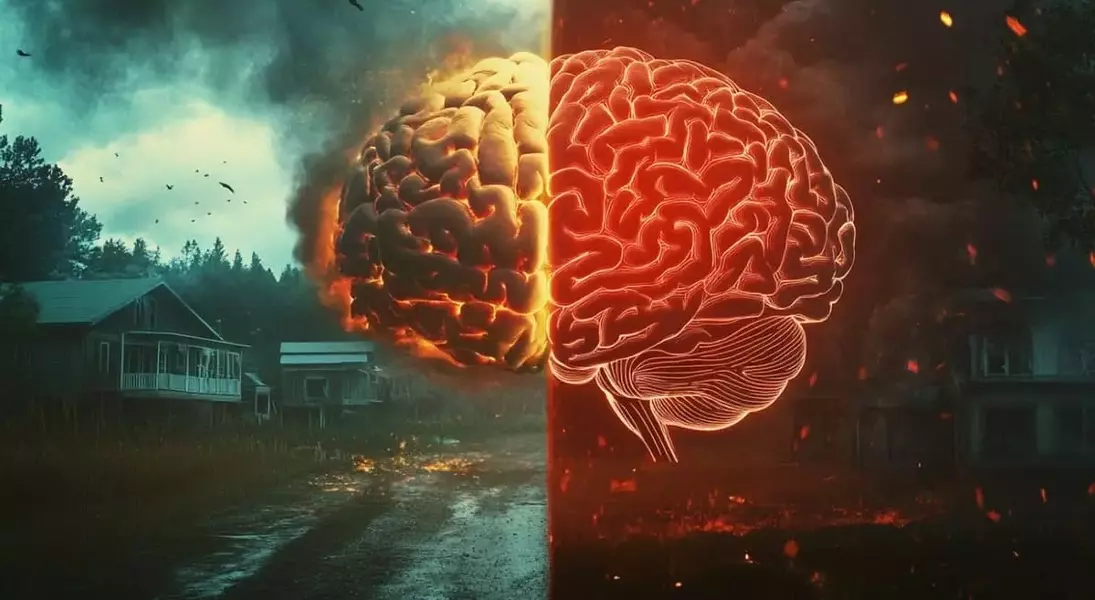
A groundbreaking study conducted by researchers at the University of California San Diego reveals that survivors of the 2018 Camp Fire in Northern California are grappling with profound cognitive changes. These changes, particularly evident in decision-making processes, highlight an alarming consequence of climate-related trauma. Participants exposed to the wildfire exhibited a diminished capacity to prioritize long-term rewards and demonstrated heightened brain activity linked to persistent rumination.
The Silent Epidemic: How Climate Trauma Alters Decision-Making Processes
As climate disasters escalate globally, their impact extends beyond physical destruction to include severe neurological consequences. This revelation underscores the urgency for innovative interventions targeting cognitive dysfunction caused by environmental catastrophes.
Understanding Cognitive Decline Post-Wildfire Exposure
Survivors of natural disasters often face lingering psychological challenges, but this research uncovers a deeper issue—how wildfires reshape the brain's ability to process decisions effectively. The study involved three distinct groups: individuals directly impacted by the fire, those who witnessed it from afar, and non-exposed controls. Through meticulous analysis, researchers discovered that direct exposure led to significant impairments in selecting options that yielded greater long-term benefits.
EEG recordings captured during decision-making exercises revealed striking differences among these groups. Directly exposed participants displayed excessive neural activity in regions associated with introspection and repetitive thought patterns. Despite heightened engagement, their performance remained subpar, suggesting a disconnect between effort and outcome. This phenomenon sheds light on how climate-induced trauma disrupts critical cognitive functions necessary for sound judgment.
Neurological Insights Into Trauma-Induced Dysfunction
Advanced imaging techniques provided invaluable insights into the neurological underpinnings of these observed deficits. Specifically, the posterior cingulate cortex emerged as a focal point of hyperactivity among wildfire survivors. This region, traditionally implicated in deep contemplation and ruminative tendencies, became overactive when participants attempted tasks requiring strategic thinking.
Researchers hypothesize that this overactivation represents an attempt by the brain to compensate for its inability to execute complex decisions efficiently. However, instead of aiding performance, this increased activity may exacerbate existing difficulties. Understanding the precise mechanisms driving such responses could pave the way for targeted therapies aimed at restoring normal cognitive function.
Potential Interventions and Therapeutic Approaches
Mindfulness-based interventions offer promising avenues for mitigating the adverse effects of climate trauma on cognition. Techniques centered around cultivating present-moment awareness have shown efficacy in reducing intrusive thoughts and enhancing focus. By addressing the root causes of impaired decision-making, these approaches hold potential for fostering resilience within affected populations.
Moreover, integrating mindfulness practices into broader mental health frameworks can empower individuals to better navigate life’s complexities following traumatic experiences. Early implementation of such strategies post-disaster is crucial, given the increasing frequency and severity of climate-related events. Collaborative efforts between healthcare providers, policymakers, and community leaders are essential to ensure widespread accessibility of these transformative tools.
Implications for Future Research and Public Policy
This pioneering investigation calls attention to the necessity of studying pre- and post-disaster cognitive shifts. Such longitudinal analyses will enhance our understanding of how repeated exposure to climate trauma influences mental well-being over time. Furthermore, developing scalable mental health solutions tailored to specific community needs remains paramount.
As global warming intensifies, so too does the imperative to safeguard human cognition against its deleterious effects. Policymakers must prioritize funding for initiatives designed to combat climate trauma while fostering environments conducive to healing and growth. Only through concerted action can we hope to mitigate the devastating impacts of environmental upheaval on society's most vital resource—the mind.
