At this year’s Consumer Electronics Show (CES) in Las Vegas, AMD has once again set the stage for groundbreaking advancements in computing technology. With a diverse lineup of new processors and graphics solutions, AMD is poised to revolutionize everything from gaming to AI-driven productivity tools.
Discover the Power Behind AMD's Next-Gen Technology
Market Dominance and Strategic Expansion
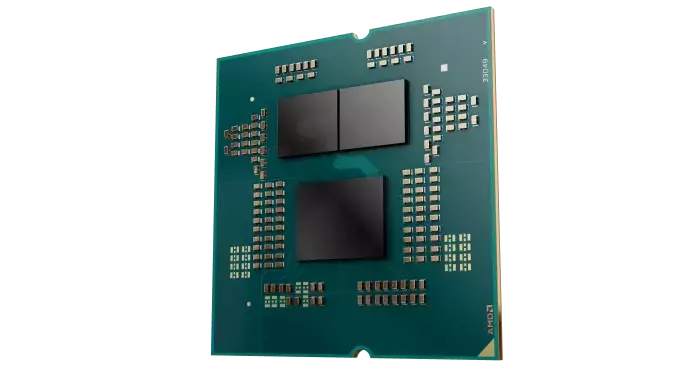
AMD enters 2025 with significant momentum, having captured a substantial share of both desktop and mobile CPU markets. In the desktop segment, AMD now commands nearly 29% of the market, marking a notable increase from the previous year. This growth is mirrored in the mobile sector, where AMD's presence has also expanded. Building on this success, AMD has outlined an ambitious strategy centered around delivering cutting-edge processors that cater to gamers, creators, and professionals alike.The Ryzen 9 9950X3D represents the pinnacle of this effort. Tailored for high-performance tasks, this processor boasts 16 cores based on AMD's advanced Zen 5 architecture, capable of reaching speeds up to 5.7GHz. Benchmarks reveal an 8% performance boost over its predecessor in popular titles such as Hogwarts Legacy and Starfield. Alongside the 9950X3D, AMD will introduce the Ryzen 9 9900X3D, a slightly less powerful yet still formidable option with 12 cores clocking up to 5.5GHz. Both models are scheduled for release in the first quarter of 2025.Innovative Solutions for Midrange Devices
To address the needs of midrange laptops and ultraportables, AMD has introduced the "Fire Range" series. This collection of chips offers impressive performance while maintaining energy efficiency. The Fire Range processors, including models like the Ryzen 9 9850HX, 9955HX, and 9955HX3D, feature between 12 and 16 cores with maximum clock speeds ranging from 5.2GHz to 5.4GHz. Notably, these chips consume approximately 54 watts of power, significantly lower than the 170 watts required by the 9950X3D. This makes them ideal for users seeking powerful yet energy-efficient devices.AI-Powered PCs: A New Era of Productivity
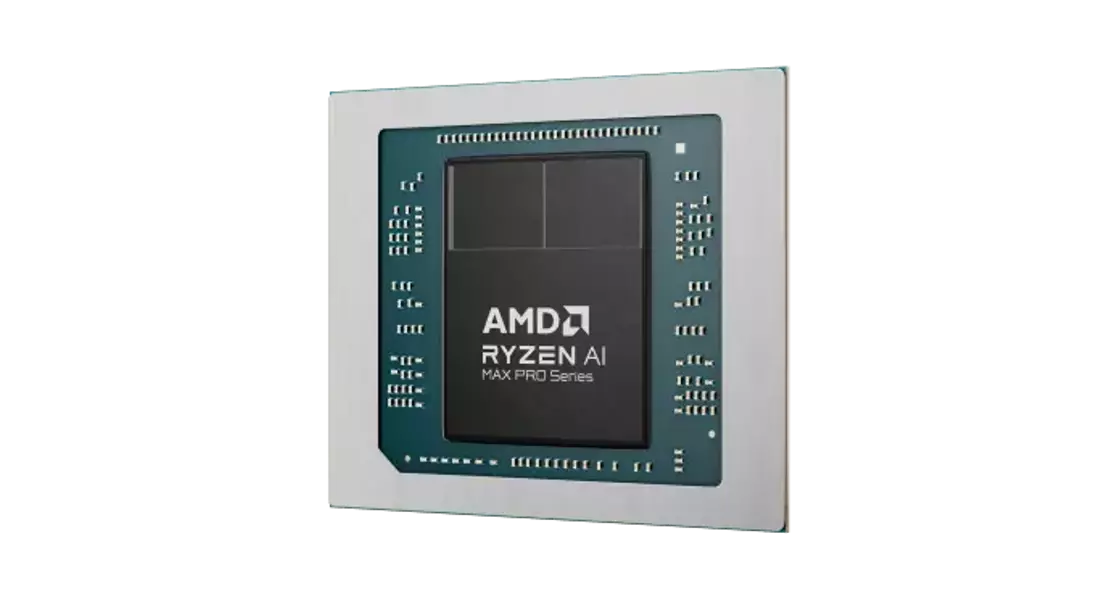
As the demand for AI-integrated applications grows, AMD has responded with the Ryzen AI 300 and Ryzen AI Max series. These processors come equipped with dedicated neural processing units (NPUs), enabling seamless execution of AI workloads such as text summarization and image editing. The Ryzen AI 300 series, set to launch in Q1/Q2 2025, includes models with 6 to 8 cores clocked at up to 5GHz, promising extended battery life of up to 24 hours under optimal conditions. Meanwhile, the Ryzen AI Max series targets premium Copilot+ PCs, offering between 6 and 16 cores clocked at up to 5.1GHz. These flagship processors deliver superior performance in 3D rendering and AI applications, making them indispensable for professionals and enthusiasts.Budget-Friendly Performance for Mainstream Devices
For consumers seeking affordable yet capable options, AMD has unveiled the Ryzen 200 series. These processors, most of which include NPUs, provide 6 to 8 cores clocked up to 5.2GHz. Scheduled for release in Q2 2025, the Ryzen 200 series aims to bring robust performance to mainstream devices without breaking the bank. This expansion into the budget segment underscores AMD's commitment to delivering accessible technology to a wider audience.Advancements in Handheld Computing
Handheld PCs have emerged as a rapidly growing market, and AMD is well-prepared to capitalize on this trend. The company has announced new additions to its Ryzen Z2 series, designed specifically for lightweight and gaming-focused devices. The Ryzen Z2 Go, Ryzen Z2 Extreme, and Ryzen Z2 offer varying levels of performance, catering to different user preferences. The Ryzen Z2 Go features four cores clocked up to 4.3GHz and 12 graphics cores, while the Ryzen Z2 Extreme boasts eight cores clocked up to 5.0GHz and 16 graphics cores. All three models will be available in Q1 2025, ensuring that handheld PC enthusiasts have plenty of options to choose from.Next-Generation Graphics Cards and Software Enhancements
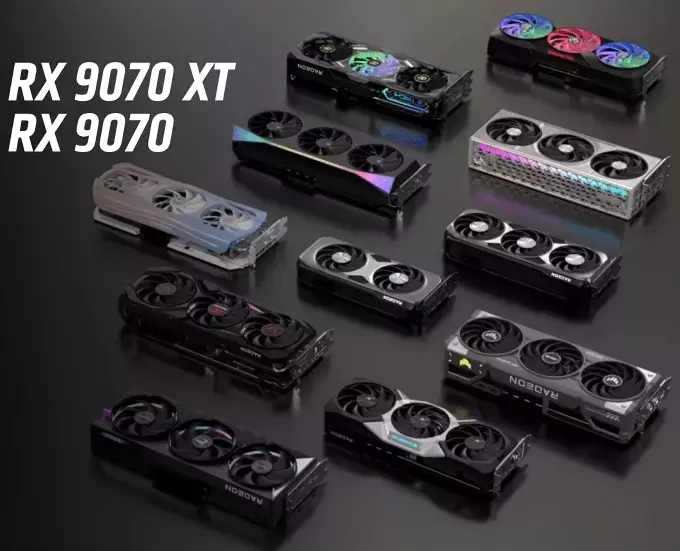
Rounding out its CES 2025 showcase, AMD revealed its latest line of discrete GPUs: the Radeon RX 9070 XT and Radeon RX 9070. Based on the RDNA 4 architecture, these cards promise enhanced ray tracing capabilities, superior media encoding quality, and improved AI acceleration. Available from leading manufacturers such as Acer, Asus, Gigabyte, and XFX in Q1 2025, these GPUs are poised to elevate gaming and content creation experiences. Additionally, AMD highlighted FidelityFX Super Resolution 4.0, an AI-powered upscaling technology that can render game content at up to 4K resolution with minimal latency. AMD Adrenalin, the company's software suite, has also been updated with new AI features, including image generation, file summarization, and an AI-powered chatbot interface for AMD-related queries.