
In the dynamic world of professional football, where player transfers and managerial changes often grab headlines, a less visible yet increasingly influential figure has emerged: the sporting director. This pivotal role, though often misunderstood, is fundamental to a club's enduring success, acting as a crucial link between the technical coaching team and the overarching club leadership. Their responsibilities span continuity, strategic planning, and the preservation of the club's core identity. This comprehensive exploration, drawing insights from industry leaders and analytical data, unpacks the multifaceted nature of the sporting director's position, from their varied career trajectories to the nuanced metrics by which their effectiveness is evaluated. It highlights how this role is transforming the landscape of football management, moving beyond immediate results to foster long-term stability and growth within the sport's most competitive leagues.
The Evolving Landscape of Football Leadership: A Deep Dive into the Sporting Director's Role
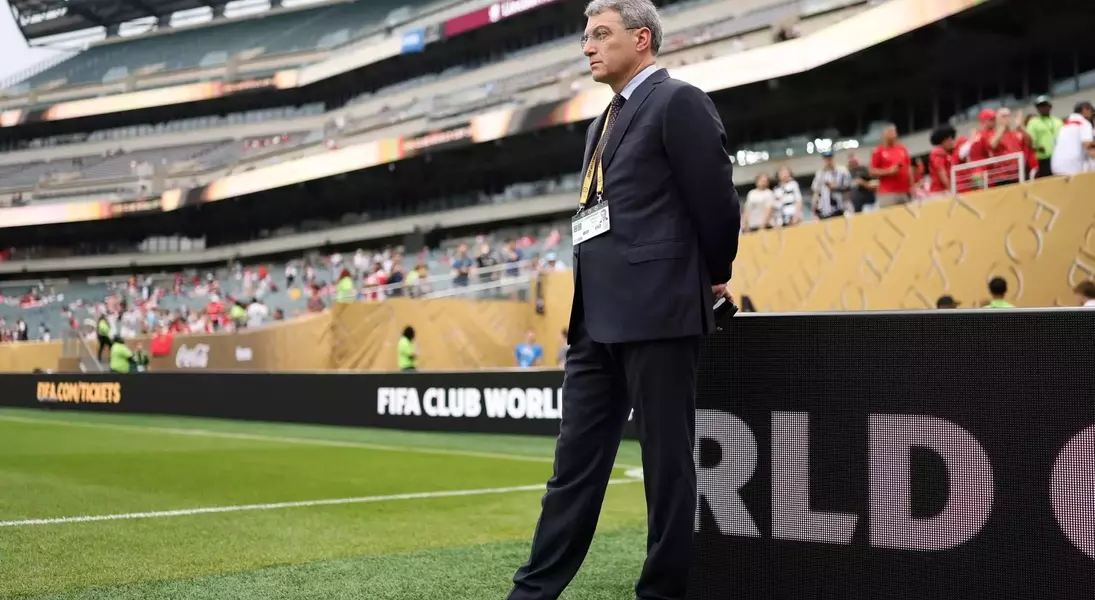
The contemporary football ecosystem, particularly in Europe's elite leagues, has seen a significant rise in the prominence of the sporting director. Historically less prevalent, especially in the English Premier League at the turn of the millennium, this position has now become an indispensable component of successful club structures. While various titles such as 'director of football,' 'general manager,' or 'technical director' may be used, their core function remains consistent: to provide a coherent footballing strategy that aligns with the club's broader vision. This strategic imperative was eloquently articulated by Damien Comolli, a veteran sporting director with experience at Juventus, Liverpool, and Tottenham, who emphasized that the role is about safeguarding the club's culture and meticulously balancing short, medium, and long-term objectives.
The current transfer window has illuminated the critical nature of this role, with several high-profile appointments and departures signaling its growing influence. In July 2025, Manchester City announced that Txiki Begiristain, after a remarkable twelve-year tenure, would be succeeded by Hugo Viana. Across town, Manchester United faced controversy in December 2024 when Dan Ashworth abruptly exited his sporting director post after only five months, underscoring the demanding and often volatile nature of the position. Meanwhile, March 2025 saw Andrea Berta, formerly of Atletico Madrid, assume the sporting director role at Arsenal, replacing Edu, whose surprising departure in November 2024 for Evangelos Marinakis' multi-club group sent ripples through the football community. Liverpool, too, underwent a significant change in the summer of 2024 with the arrival of Richard Hughes as sporting director, immediately tasked with navigating complex contract negotiations for key players like Virgil van Dijk, Mohamed Salah, and Trent Alexander-Arnold. These recent movements vividly illustrate the intense scrutiny and high stakes associated with these leadership positions.
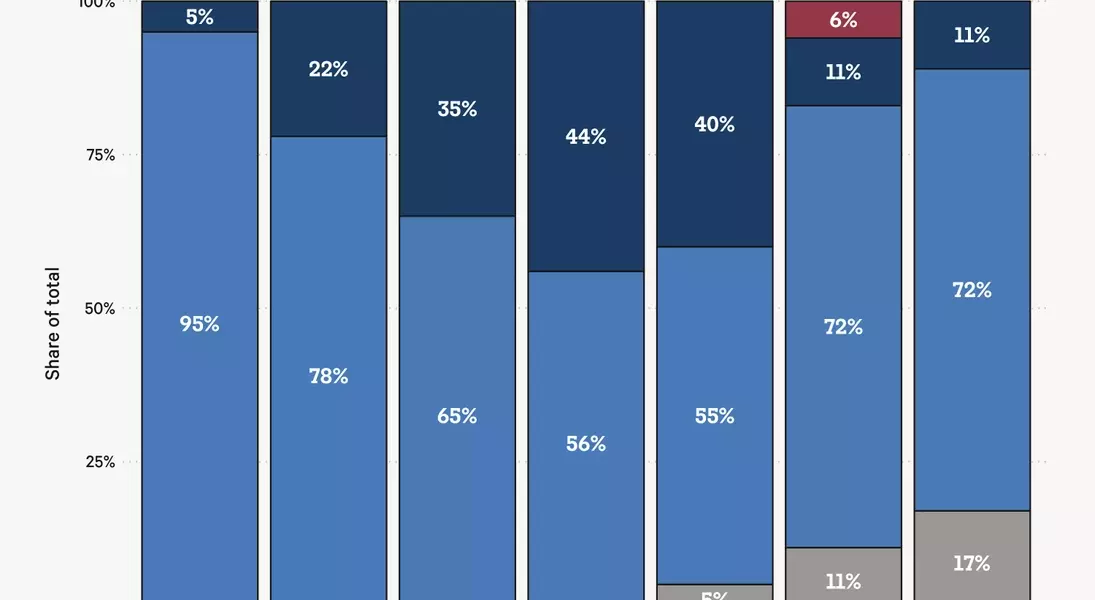
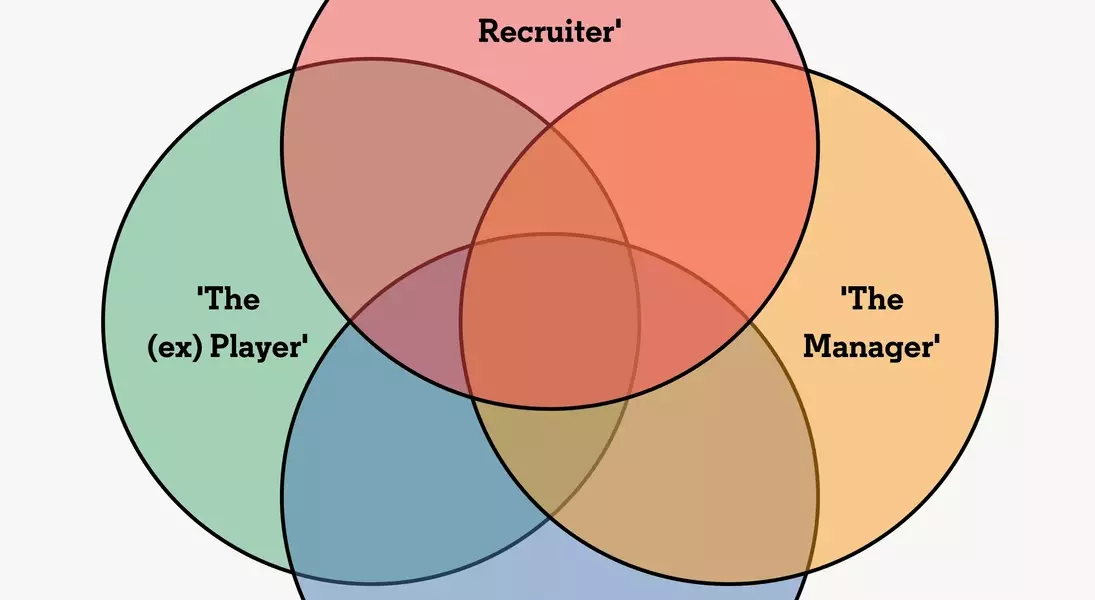
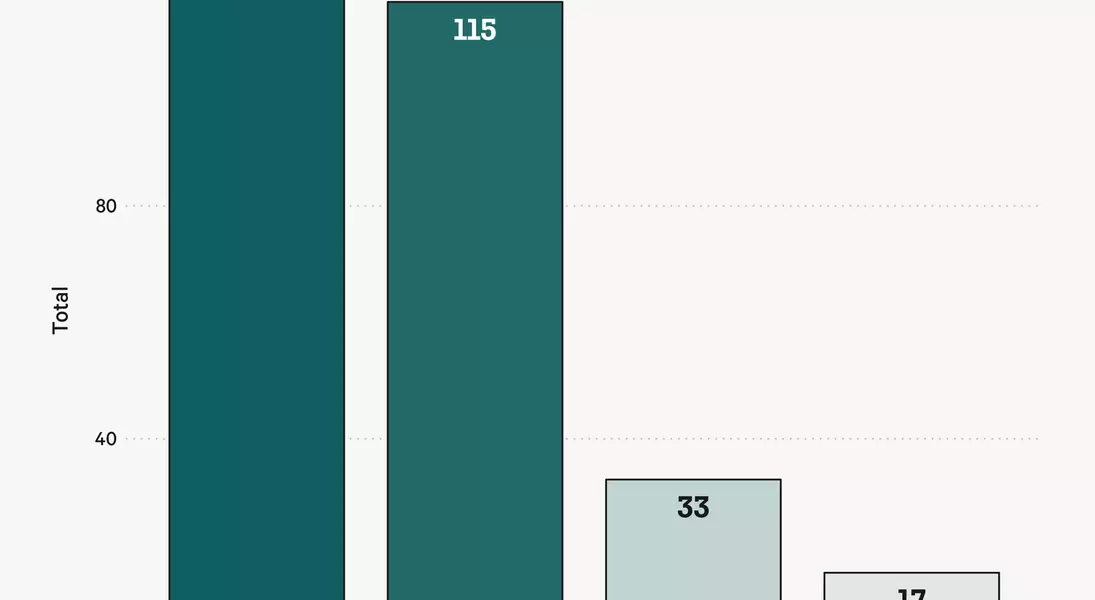
Understanding the role better, a comprehensive study conducted by The Athletic in collaboration with analytics firm Traits Insights meticulously collected data on over 300 sporting directors across fifteen major European competitions. This research revealed the diverse backgrounds of individuals holding these roles, categorizing them into four main archetypes: 'The Manager,' responsible for overarching departmental strategy; 'The Recruiter,' focused on scouting and transfer strategy, often with a strong data analytics foundation; 'The (ex-)Player,' leveraging their on-pitch experience; and 'The Executive,' specializing in business acumen, contract negotiations, and staff management. While these archetypes provide a framework, many sporting directors embody a blend of these profiles, highlighting the multifaceted skill set required. Damien Comolli further suggested an 'academy pathway' as another significant route, citing individuals like Dan Ashworth and Francesco Palmieri of Sassuolo, who transitioned from academy leadership to senior sporting roles, emphasizing the value of developing talent from within.
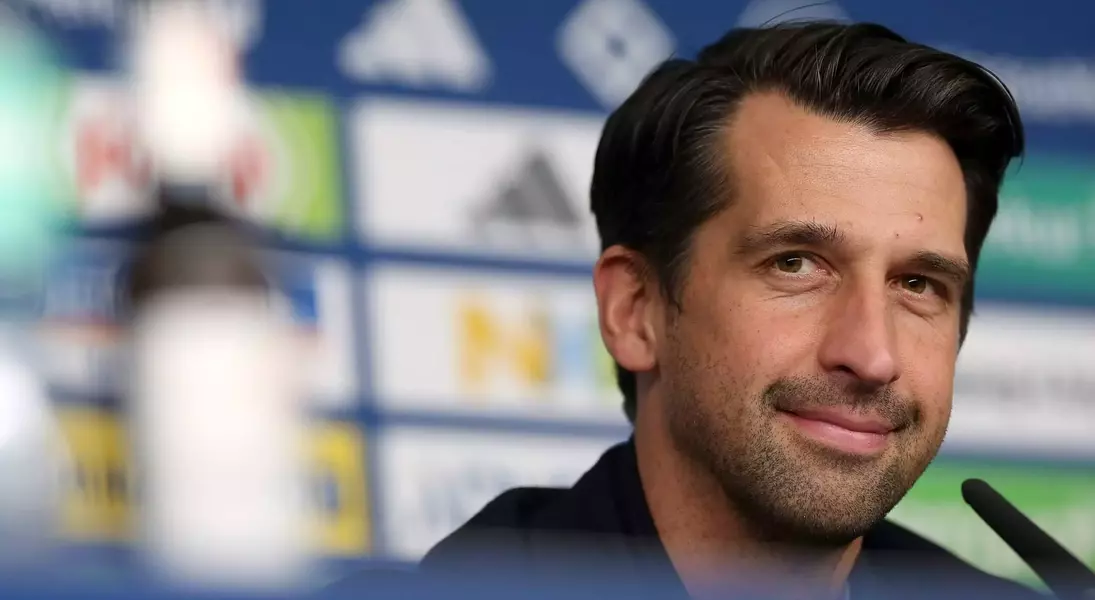
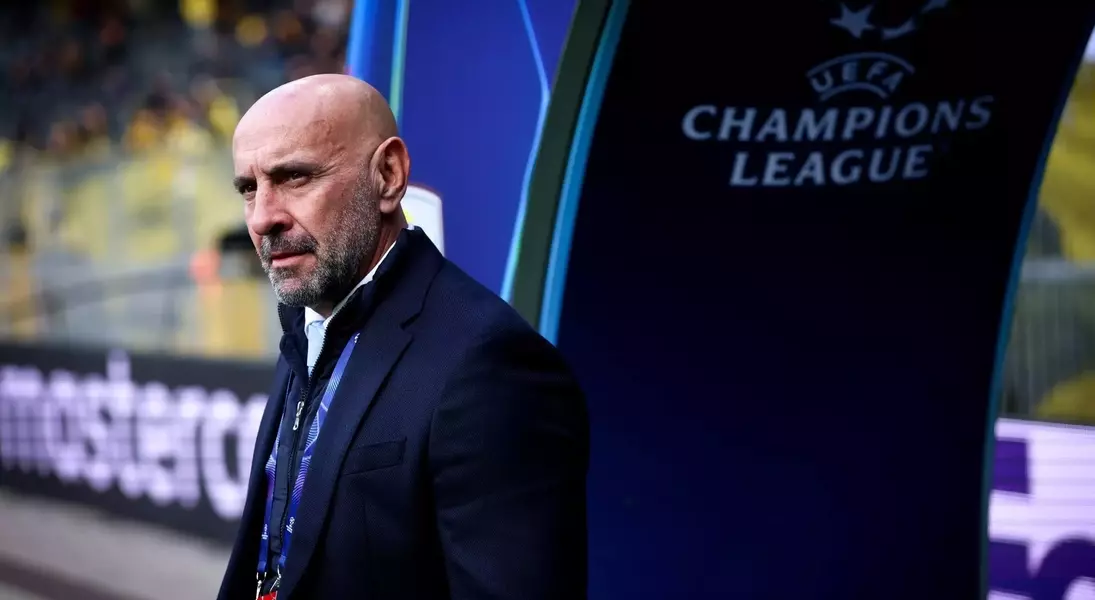
The structure surrounding the sporting director can vary dramatically between clubs and leagues. For instance, in Germany, a sporting director might work alongside a 'kaderplaner' (head of recruitment) and a technical director, creating a distributed system of responsibilities, as observed by Jonas Boldt, formerly of Hamburg and Bayer Leverkusen. This collaborative model, as seen at Brentford where Phil Giles handles squad management and Lee Dykes oversees recruitment, signifies a trend towards specialized roles working in concert. While countries like Italy, Germany, and Spain have long embraced the sporting director model, the Premier League has rapidly caught up, with nineteen out of twenty clubs employing at least one such individual in the past season. This expansion underscores a broader industry shift towards more sophisticated, multi-layered management structures. The appointment of individuals from non-football backgrounds, such as Tottenham's former chief football officer Scott Munn, further illustrates that essential management skills and business acumen are increasingly valued, debunking the notion that only those with a direct playing or coaching history can excel in these roles. Aston Villa's Damian Vidagany, who transitioned from journalism to a key operational role alongside Monchi, exemplifies how diverse professional experiences can contribute significantly to a club's strategic objectives.
Ultimately, judging the success of a sporting director extends beyond immediate on-pitch results. Johannes Spors, Southampton's sporting director, stresses the importance of effective leadership, organizational development, and fostering a robust club culture. Jonas Boldt's tenure at Hamburg, for example, prioritized financial stability and the development of young players, leading to the club's return to the Bundesliga and consistent financial profitability, a success he attributes to long-term strategic planning rather than instant silverware. The recent instability in the sporting director position at clubs like Newcastle and Liverpool underscores the importance of longevity and continuity for implementing lasting change. As Spors articulates, the sporting director's role is not merely about signing players or coaches, but about building a sustainable culture and continuously elevating every department within the organization. The three points gained on a Saturday are, in essence, the culmination of an immense, coordinated effort behind the scenes.
Reflections on the Evolving Role of Sporting Directors in Modern Football
As an observer of the intricate world of football, the increasingly pivotal role of the sporting director offers profound insights. It highlights a maturing of the sport, moving beyond reactive management to embrace long-term strategic planning and organizational development. The era of purely charismatic managers or financially driven owners dictating all aspects is gradually yielding to a more nuanced, collaborative approach. This evolution is not without its challenges, as evidenced by high-profile exits and the ongoing search for stability in key leadership positions. However, the recognition that a club's success hinges not just on talent acquisition but also on fostering a robust culture, sound financial management, and cohesive departmental operations is a welcome development. It underscores that football, at its highest echelons, is as much a sophisticated business as it is a passion-driven sport, demanding a blend of sporting acumen, business savvy, and exceptional leadership to thrive in an ever-competitive landscape. The sporting director, in this new paradigm, is truly the architect of a club's future, laying the groundwork for sustained excellence both on and off the pitch.
