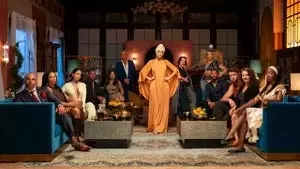
Hulu’s "The Mob" has garnered attention for its unique fusion of mafia genre homage and reality television competition. Executive producers Niall O’Driscoll and Mat Steiner deliberately crafted a cast that resonated with both worlds, drawing from celebrated crime dramas and popular reality shows. This strategic approach aimed to leverage viewers' existing familiarity with the mafia aesthetic while introducing competitive gameplay. The producers emphasized the importance of participants who could embody the theatricality of the mob world yet remain serious contenders. This intricate balance resulted in an unexpected "family" dynamic, spanning different generations and personalities, which became a cornerstone of the show's appeal. The series benefits from an inherent understanding of its genre, allowing for immediate audience engagement through established tropes and catchphrases.
A significant element of "The Mob" is the pivotal role played by its host, Parker Posey, whose involvement was seen as a "master stroke." Initially a significant shift for the acclaimed actress into unscripted television, Posey seamlessly integrated her performative skills with genuine reactions to the unfolding drama. Her ability to channel her unique persona, combined with her deep understanding of improv honed from previous works like "Best in Show," allowed her to develop into a matriarchal figure, enriching the show's narrative. The producers also highlighted the intrinsic parallels between classic mob narratives—centering on power, loyalty, and betrayal—and the core elements desired in a compelling reality format, making the genre a natural fit for their competitive series.
Crafting "The Mob": Strategic Casting and Genre Immersion
The executive producers of Hulu's "The Mob," Niall O’Driscoll and Mat Steiner, meticulously engineered the show's cast and narrative by drawing inspiration from the rich tapestry of mafia cinema and the dynamic world of reality television. Their vision was to create a program where the theatricality of mob stories, familiar from classics like "Goodfellas" and "The Sopranos," could coalesce with the spontaneous nature of reality competition. This involved inviting personalities who not only understood the genre's nuances but were also adept at strategic gameplay. The deliberate blend of actors renowned for their roles in crime dramas alongside popular reality TV figures aimed to establish an immediate connection with viewers, leveraging existing fanbases. This unique ensemble was designed to foster an unpredictable yet cohesive "family" unit, where diverse generations and personalities would navigate themes of power and loyalty, central to both mob narratives and competitive reality. The goal was to provide an immersive experience that felt both authentic to its genre homage and genuinely competitive.
O’Driscoll and Steiner elaborated on their casting philosophy, explaining that inviting talent from established mob-related productions and reality TV hits was a conscious decision to build an instantly recognizable and engaging world for "The Mob." They sought individuals who possessed a natural affinity for the genre, capable of embracing its inherent drama and theatricality, while simultaneously demonstrating keen competitive instincts. The producers desired participants who would approach the game with seriousness yet maintain an element of fun, fostering an unlikely family dynamic that transcended typical reality show archetypes. This cross-genre casting strategy was seen as a significant asset, as it allowed the show to tap into existing fan loyalties and genre awareness. Viewers already possess a deep understanding of mob shorthand and catchphrases from decades of film consumption, enabling them to quickly grasp the show's premise and character interactions. This pre-existing knowledge base facilitated a richer, more nuanced audience engagement, making "The Mob" an accessible yet intricate reality competition that skillfully paid tribute to its cinematic roots. The show’s design leveraged familiar tropes to create a fresh, dynamic entertainment product that celebrated its influences while forging its own identity.
Parker Posey's Pivotal Role and Thematic Foundations
A central figure in "The Mob" is its host, Parker Posey, whose involvement was lauded as a masterstroke by the executive producers. Her transition from an acclaimed acting career to an unscripted reality television role presented a unique challenge, which Posey embraced with remarkable versatility. She skillfully merged her established performative abilities with authentic, in-the-moment reactions to the unfolding competition, bringing a distinct flavor to the show. Posey’s understanding of improvisation, honed through her extensive filmography including notable works like "Best in Show," proved invaluable in her capacity as host. This allowed her to embody a matriarchal figure within the series, guiding the narrative with a blend of scripted direction and genuine engagement. The producers recognized the inherent compatibility between the core themes of classic mob narratives—power, loyalty, and betrayal—and the essential ingredients for a compelling reality competition, making these elements foundational to "The Mob's" structure.
Parker Posey’s distinctive contribution to "The Mob" extended beyond her hosting duties, profoundly shaping the show's overall tone and dynamic. The producers highlighted how she seamlessly navigated the blend of scripted elements and spontaneous interaction, often drawing upon her extensive experience in comedic improvisation. This enabled her to develop a character that was both commanding and playfully theatrical, positioning her as a central, guiding matriarch within the cast. Her unique persona, often described as "kooky," was allowed to flourish, providing both levity and gravity to the competition. Posey's approach, from wardrobe choices to on-screen interactions, was integral to crafting the show's storytelling, demonstrating her deep commitment to the project. Furthermore, the executive producers articulated how the fundamental pillars of the mob genre—intricate power struggles, shifting loyalties, familial bonds, financial stakes, and inevitable betrayals—were perfectly aligned with the requisites for a captivating reality format. They believed that these universal themes provided a rich thematic backdrop for competitive gameplay, allowing for a multifaceted exploration of human nature within a high-stakes, entertaining environment. This thematic resonance was key to differentiating "The Mob" from other reality shows, like "The Traitors," which focuses more on deception, while "The Mob" distinctly emphasizes overt power plays and loyalty dynamics within its cinematic, lighthearted, and glamorous framework.
