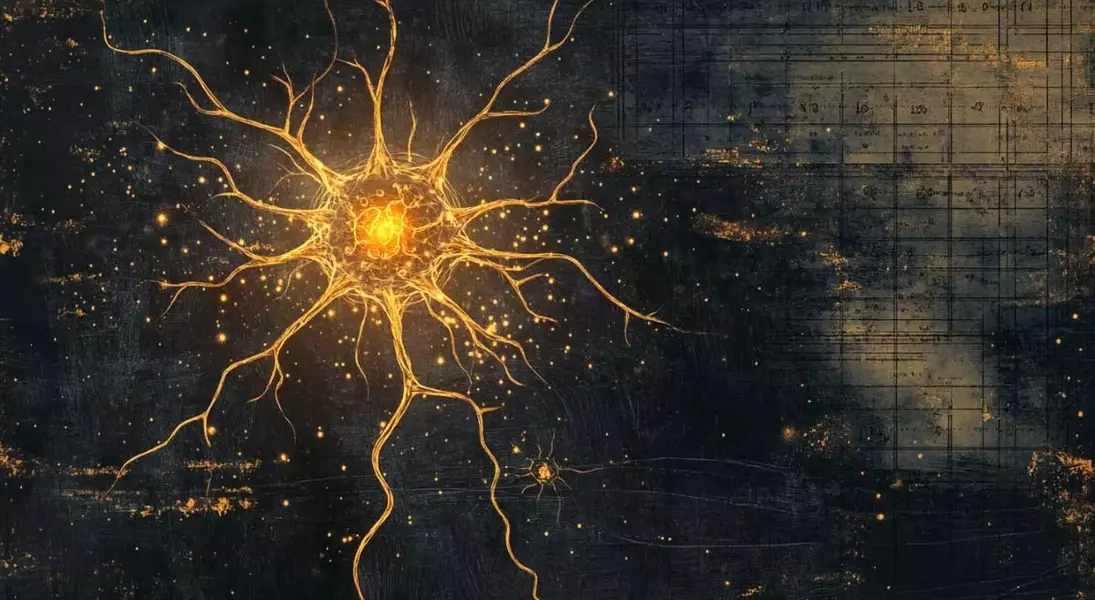
Recent research conducted at Ohio State University has uncovered a fascinating mechanism in the brain that physically connects memories formed close in time. Using advanced imaging techniques on mice, scientists have discovered that dendritic branches play a crucial role in linking experiences together, offering new insights into memory organization and potential therapies for memory disorders.
Discover the Power of Dendrites: Transforming Memory Science
The human brain is an intricate web of connections, and this groundbreaking study reveals how dendrites serve as the architects of memory integration. By understanding these processes, we can unlock new possibilities for treating neurological conditions.Mapping Memory Integration Through Dendrites
For years, researchers have pondered the mechanisms behind memory formation and recall. This latest investigation focuses on the role of dendritic spines, tiny structures extending from neurons, which act as computational hubs. When mice were exposed to two distinct environments within a short timeframe, their brains linked these experiences through specific dendritic segments. In the experiments, mice exhibited behavioral responses indicative of memory linkage. For instance, after receiving a mild shock in one environment, they displayed fear in another unrelated setting. This suggests that closely timed memories are not only stored but also interconnected via shared dendritic branches. Such findings highlight the brain's ability to integrate information efficiently.Moreover, the retrosplenial cortex (RSC), a region vital for spatial and contextual memory, was observed to engage the same groups of neurons and dendritic branches when processing linked memories. This consistency strengthens the argument that dendrites play a pivotal role in organizing memories effectively.Revolutionizing Memory Research with Optogenetics
To validate the significance of dendrites in memory linking, researchers employed optogenetics, a cutting-edge technique allowing precise control over neuronal activity using light. By reactivating specific dendritic segments associated with prior memory formation, scientists successfully linked otherwise unrelated memories. This experiment underscores the critical function of localized dendritic plasticity in shaping memory networks.Optogenetics provided clear evidence that dendritic changes are instrumental in integrating memories. The ability to manipulate these processes opens doors for innovative therapeutic strategies targeting memory-related disorders such as Alzheimer’s disease. Understanding how dendrites contribute to memory consolidation could revolutionize treatments for cognitive impairments.Implications Beyond Memory Linkage
Beyond elucidating the mechanics of memory linking, this study deepens our comprehension of higher-order memory processes. Traditionally, memory research centered on individual memory formation rather than the interconnections between multiple memories. However, Sehgal's team challenges this perspective by emphasizing the importance of frameworks composed of interconnected memories.This framework approach aligns with real-world scenarios where humans rely on accumulated knowledge to make informed decisions. For example, recalling past experiences helps individuals navigate unfamiliar situations or solve complex problems. By studying how memories interact and influence each other, researchers gain valuable insights into adaptive learning and decision-making processes.Furthermore, the implications extend beyond theoretical understanding. Developing therapies based on dendritic plasticity could enhance memory retention and improve quality of life for those affected by neurodegenerative diseases. As scientists continue exploring these avenues, the potential benefits for public health remain immense.Future Directions in Memory Science
While this study marks a significant advancement in neuroscience, further exploration is warranted to fully harness the potential of dendritic plasticity. Future research might investigate whether similar mechanisms exist in other brain regions or species, broadening the scope of application.Additionally, addressing unresolved questions about memory allocation rules could refine therapeutic approaches. For instance, understanding why certain memories are linked while others remain independent would provide clarity on memory organization principles. These inquiries promise to enrich our knowledge of the brain's complexities and pave the way for transformative innovations in healthcare.By unraveling the mysteries of dendritic memory linking, researchers at Ohio State University have laid the foundation for a new era in memory science. Their discoveries underscore the importance of interdisciplinary collaboration and technological advancements in advancing our understanding of the human brain.You May Like