
This comprehensive overview explores the captivating journey of the Nintendo Entertainment System (NES) from its origins as the Famicom in Japan to its groundbreaking launch and eventual dominance in the American video game market. Through meticulous research and previously unheard anecdotes, the narrative reexamines the challenges and pivotal decisions that shaped one of gaming's most iconic consoles.
Unraveling the NES Saga: From Japanese Innovation to American Phenomenon
The Genesis of a Gaming Giant: From Famicom to NES
Many may be enjoying their holiday respite, but for those with an interest in the foundational chapters of gaming, a recently released documentary offers an essential viewing experience. Spearheaded by Frank Cifaldi and the dedicated team at the Video Game History Foundation, this insightful film delves into the fascinating saga of the NES's introduction to the United States. It's a compelling narrative for anyone curious about the roots of modern console gaming.
Chronicling the American Debut: Research and Revelations
Drawing upon years of diligent study and expanding on discussions from the Portland Retro Gaming Expo, which featured key figures from Nintendo of America, this extensive 45-minute presentation premiered on Christmas Day. It meticulously chronicles the Famicom's transition to the Nintendo Entertainment System for the American audience. The documentary explores the intricacies of its New York test market introduction, a crucial phase that laid the groundwork for its extraordinary triumphs in the latter half of the 1980s.
Beyond the Familiar Narrative: Uncovering Fresh Insights
Cifaldi masterfully condenses a complex timeline of events, integrating archival resources from the Video Game History Foundation with various other sources. This approach offers an invigorating and novel perspective on a story that many enthusiasts might assume they already fully grasp. The journey begins with the collapse of an initial collaboration with Atari, prompting Minoru Arakawa and his Nintendo of America team to contemplate their capacity to independently introduce the system to the US. Cifaldi highlights the initial skepticism from focus groups, which Nintendo commendably chose to disregard.
Debunking Myths and Reinforcing Truths in Gaming Lore
Even for long-time Nintendo aficionados who believe all aspects of this well-known story have been told, the VGHF team excels at presenting new fragments of information and correcting historical inaccuracies. They skillfully clarify points that many had previously taken for granted, enriching the established narrative with fresh and accurate details.
The Evolution of Design: From Barr's Vision to the 'Lunchbox' Console
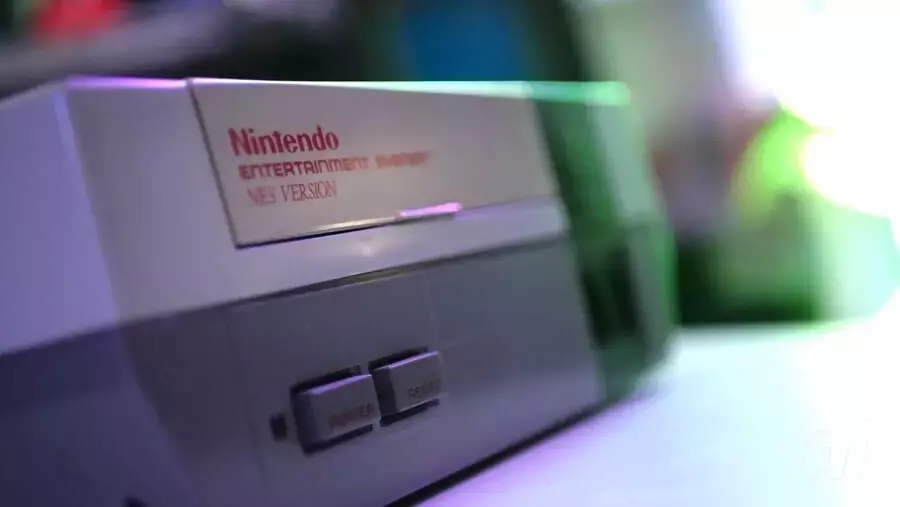
For example, while Lance Barr is credited with the industrial design of the Westernized Famicom hardware, taking inspiration from Bang & Olufsen's elegant audio equipment for its casing, a lesser-known fact concerns the final appearance. The robust, 'brick-like' console, universally recognized today, was actually a collaborative effort where Nintendo's Japanese engineers further developed Barr's initial concepts. Concerned about dust infiltration in a top-loading system, the Japanese parent company significantly modified Barr's sleeker, B&O-inspired design (initially known as the AVS) to incorporate the front-loading cartridge mechanism, leading to a bulkier form factor. Barr himself expressed disappointment with the resultant 'lunchbox' aesthetic.
An Essential Watch: Revisiting Gaming's Pivotal Moment
Even if you were aware of these specific details, the documentary promises to reveal new information, making the 45 minutes fly by. It elegantly concludes by revisiting the initial Atari deal, creating a complete narrative arc. This insightful essay is highly recommended viewing for anyone with an interest in video game history, particularly during the period leading up to the New Year. For those inspired to support such valuable historical preservation, contributions can be made to the VGHF's Winter Fundraiser via their website, gamehistory.org/donate, to bolster Frank and his team's commendable endeavors.
