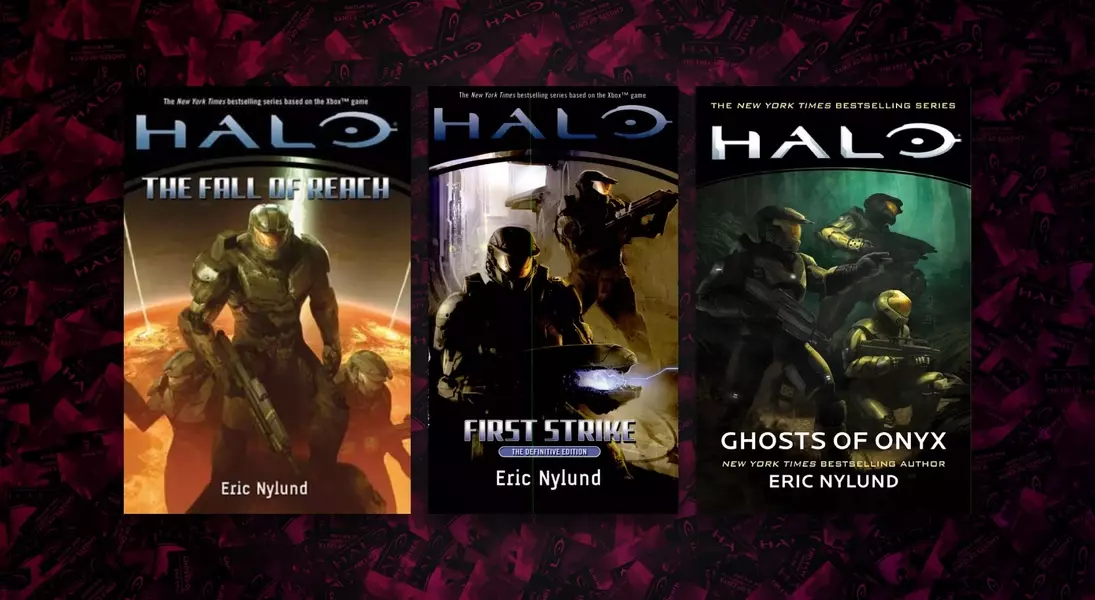
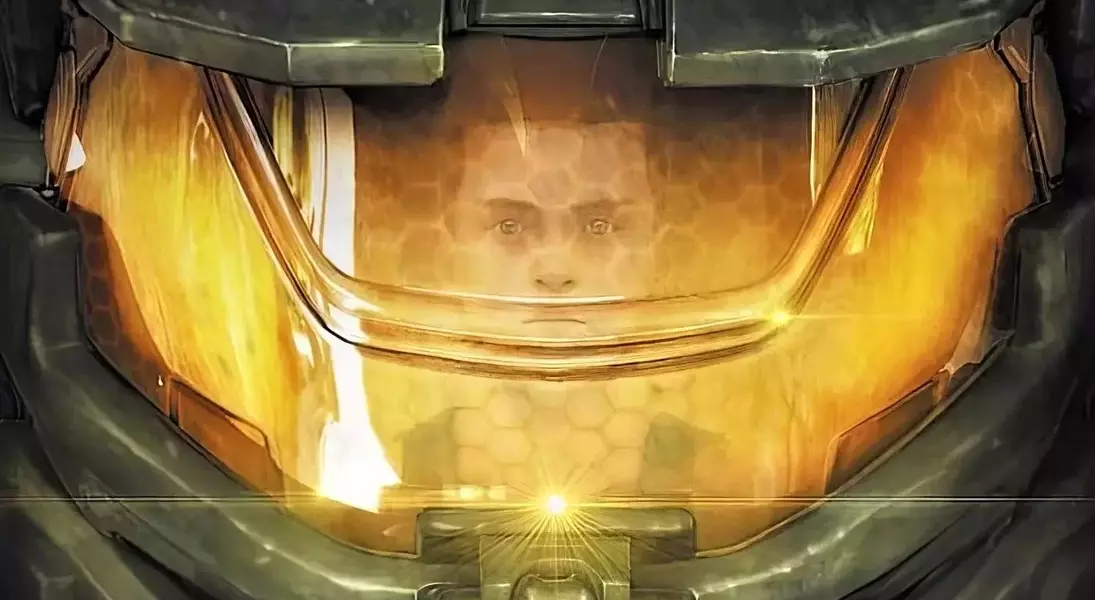
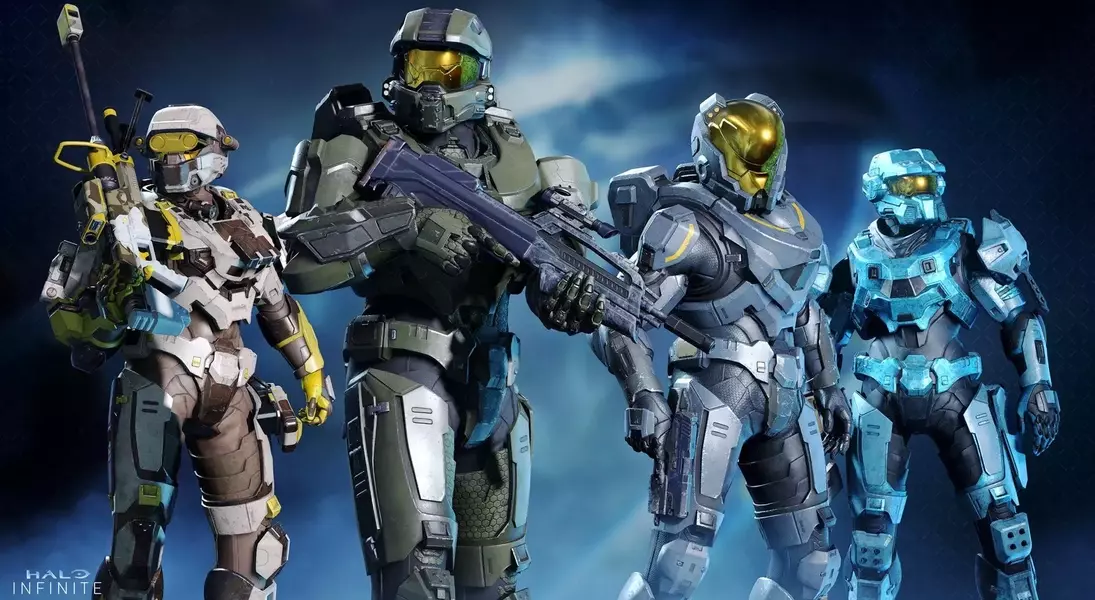
For many gamers who first experienced the Halo universe through Combat Evolved, the backstory of Master Chief, John-117, was often a mystery. However, Eric Nylund's novel, Halo: The Fall of Reach, published just weeks before the iconic game's release, offered a profound and detailed origin story that transformed the perception of the stoic supersoldier. This narrative delves into John's childhood, revealing his abduction at six years old into the SPARTAN-II program, a highly experimental military initiative designed to forge elite warriors. It chronicles his rigorous training under Chief Petty Officer Franklin Mendez on the planet Reach, highlighting not just his physical prowess but his innate leadership qualities and his ability to inspire loyalty among his fellow Spartan recruits, a group that becomes his surrogate family.
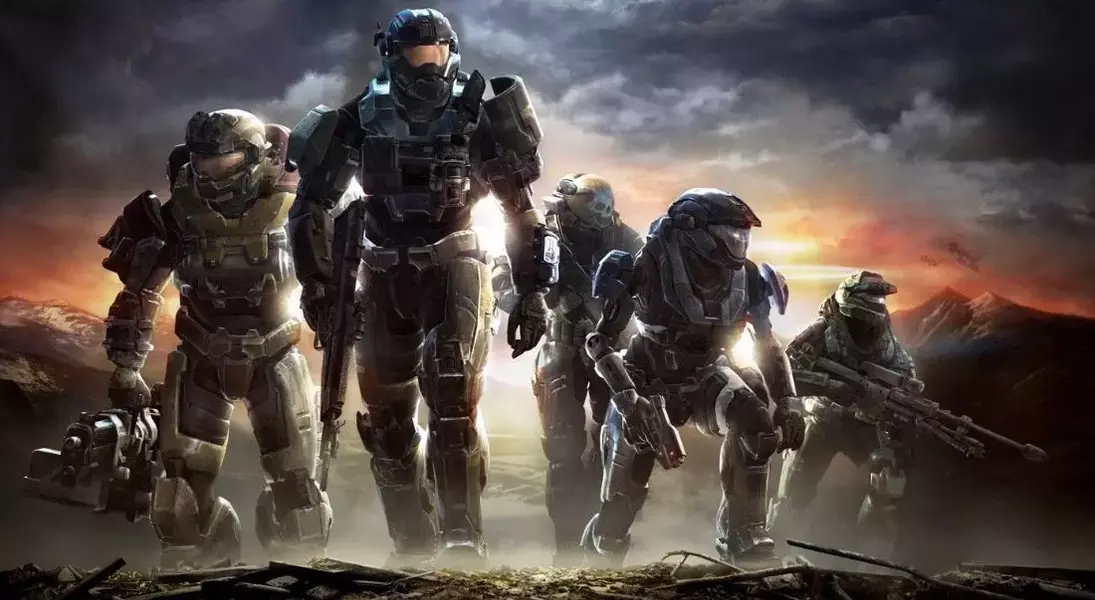
The novel meticulously portrays the brutal realities of the Spartan program, from the replacement of abducted children with short-lived clones to the devastating augmentation procedures that claim the lives or abilities of many candidates. John, still a teenager, witnesses the profound loss of his comrades, shaping his reserved demeanor and forging him into the battle-hardened warrior seen in the games. More than just a tale of super-soldiers, The Fall of Reach introduces a cast of Spartans who develop unique bonds and camaraderie, offering a compelling dynamic that underscores the emotional weight of their sacrifices. This emphasis on teamwork and human connection is a critical element often echoed in fan-favorite entries like Halo: Reach, which, while not a direct adaptation, captures the essence of Spartans fighting together, each with distinct personalities and specialties, enriching the overall narrative of the Halo universe.
As discussions emerge about Activision potentially developing a new Halo game focusing on Master Chief's origins, it is crucial to recognize the enduring value and depth offered by The Fall of Reach. Instead of a complete reboot that might erase years of established lore, adapting Nylund's narrative provides an opportunity to properly integrate John's formative experiences—his leadership emerging among fellow child Spartans, the harrowing augmentation process, the early missions with Blue Team, the rise of the Covenant, and Cortana's pivotal choice of him due to his unparalleled luck and bravery—into the gaming franchise. This approach would not only honor the foundational text that humanized one of gaming's most iconic figures but also deliver a rich, emotionally resonant story that answers the fundamental question of how a kidnapped boy retained enough of his humanity to become humanity's greatest hero.
The rich lore and emotional depth woven into stories like The Fall of Reach remind us that even in the face of overwhelming conflict and technological advancement, the human spirit, its capacity for leadership, loyalty, and resilience, remains the most powerful force. These narratives inspire us to look beyond the armor and see the individual, recognizing that true heroism often stems from profound humanity and the bonds forged in adversity. Just as Master Chief embodies strength and determination, his journey encourages us to find our own inner fortitude and to value the connections we make along the way, striving for excellence and standing firm against challenges.
