
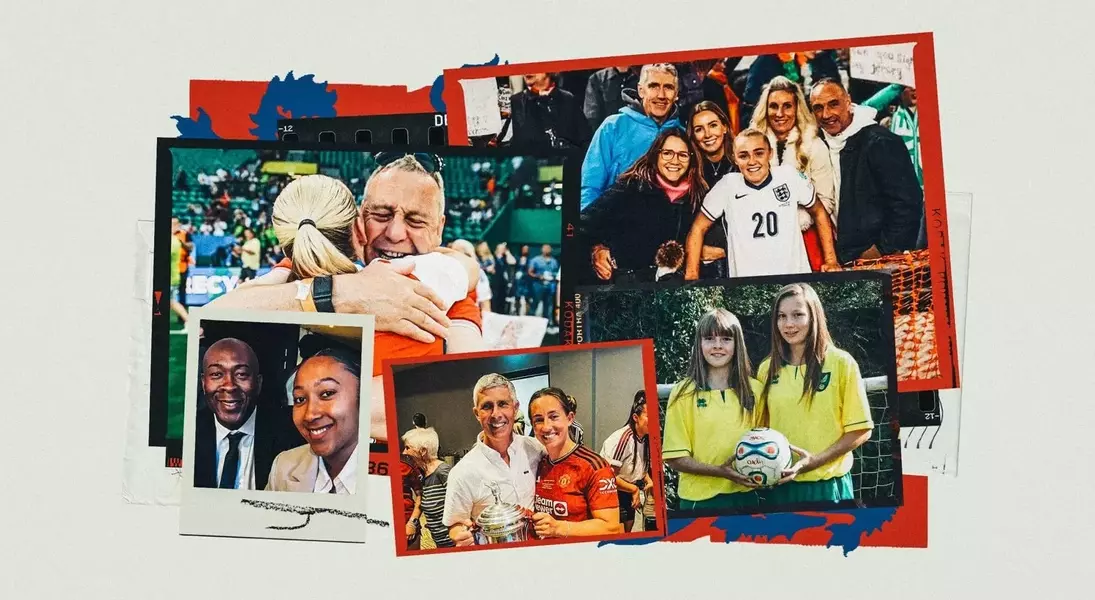



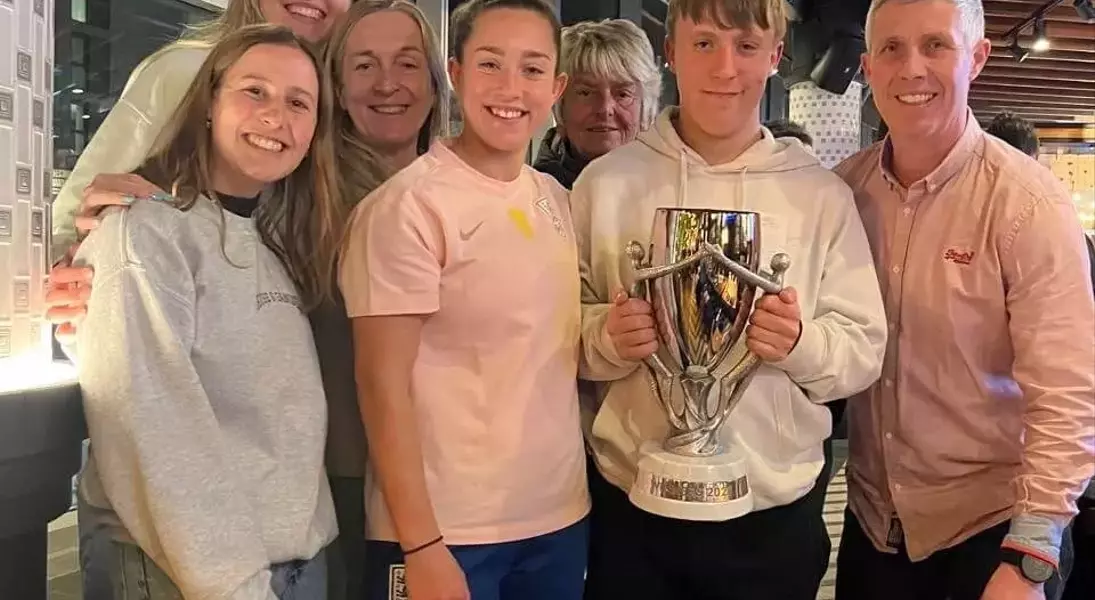

The journey of professional footballers, especially the pioneering generation of female athletes in England, is often paved with immense dedication, not just from the players themselves, but crucially from their families. This piece explores the profound and often unseen sacrifices made by parents, who undertook extraordinary measures—from taking on multiple jobs and securing bank loans to enduring countless hours of travel and emotional hardship—to nurture their daughters' footballing dreams. Their unwavering commitment underpinned the eventual success of these athletes in a sport that, for a long time, offered little professional pathway or financial reward.
Nigel James, father of Chelsea stars Reece and Lauren James, vividly recounts the arduous early days. He balanced his own coaching business with grueling 12-hour overnight shifts as a security guard, earning a mere £5 an hour, to bolster the family's income. He even risked his job after an incident where he dozed off during a shift, a consequence of relentless exhaustion. This demanding schedule was necessary to ferry his children to various academies across the country—Reece to Chelsea, Lauren to Arsenal, and Joshua to Reading. His mother, Elizabeth, even took out a significant bank loan of £10,000 to purchase a reliable car, a Ford Orion, to facilitate these extensive travels, without ever expecting repayment. This multi-generational support highlights the deep roots of sacrifice within these families.
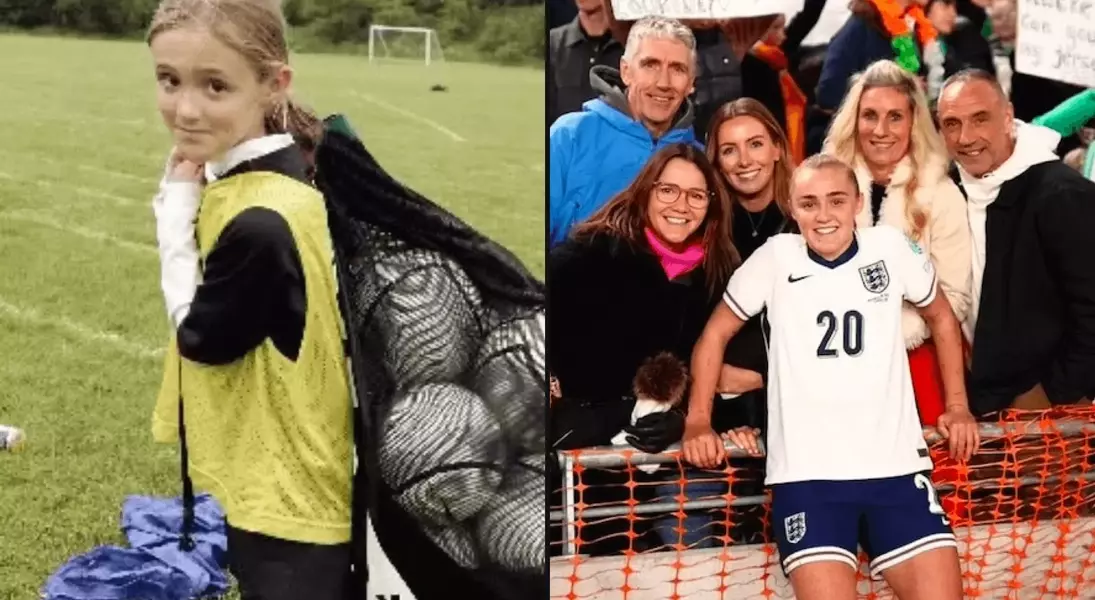
Similarly, Joanne Stanway, mother of midfielder Georgia Stanway, faced immense challenges. A primary school teacher, she, along with Georgia's father Paul (who was also a teacher), navigated a separated household while committing to Georgia's development. When Georgia, at age 11, outgrew mixed-gender football, the scarcity of local girls' teams meant a four-hour round trip to Blackburn Rovers was the only viable option. These twice-weekly trips eventually escalated to four times a week as Georgia progressed. Joanne even downsized their home twice to free up money, admitting to feeling perpetually exhausted and overwhelmed. She recalled nearly falling asleep in meetings due to fatigue from the constant travel and the emotional toll of supporting her daughter's ambitions in a challenging environment. Despite these difficulties, her determination never wavered, fueled by Georgia's persistent passion for the sport.
Richard Mead, father of Beth Mead, also shared stories of extraordinary dedication. When Beth joined Sunderland at 16, they undertook a 135-mile round trip three times a week, a continuation of years of 50-mile round trips to Middlesbrough. His late wife, June, took on additional work at a pub and a fish and chip shop to cover petrol costs and a second car. The family's belief in Beth's talent was so strong that they were willing to do whatever it took, sacrificing their own time and resources. June’s constant support was crucial, especially when Beth struggled with homesickness and anxiety during England camps, sending comforting letters and helping her manage her mental well-being.
The path for Maya Le Tissier, hailing from Guernsey, was even more complicated due to the geographical isolation. Her father, Darren, describes spending at least £15,000 per season on flights, accommodation, and car rentals for Maya to train in England, with a local fund administration company providing some sponsorship. This commitment meant Maya's twin brother, Theo, often stayed home, demonstrating his own quiet sacrifice by never complaining about the immense focus on his sister. The family faced a significant hurdle when Maya's formal training pathway was abruptly cut, leading to profound disappointment. However, the creation of regional camps by the FA provided a crucial lifeline, ensuring that talented players like Maya, from less traditional footballing regions, were not overlooked.
The transformation of these young girls into professional athletes brought its own set of challenges, including intense public scrutiny. Parents had to adapt to their daughters dealing with criticism and adoration on a larger scale. Despite the emotional strain of seeing their children face such pressures, they learned to trust their daughters' resilience. As Joanne Stanway aptly puts it, the parental role shifts from 'driving the bus' to becoming a passenger, trusting the system and their child's own ability to navigate the complex world of professional football. Ultimately, these narratives underscore that the successes witnessed on the pitch are deeply intertwined with the unwavering love, financial strain, and personal sacrifices made by families behind the scenes, who simply did 'whatever they could' for their children's dreams.
