This re-imagined narrative delves into a hypothetical future for George Lucas, contemplating his path had his initial cinematic endeavor, "THX 1138," not achieved widespread recognition, leading him away from mainstream Hollywood. It paints a picture of a visionary artist who, despite commercial setbacks, remains steadfast in his creative convictions, particularly his ambitious "Star Wars" concept, and reflects on the broader themes of artistic integrity versus commercial success.
Echoes of a Future Foretold: Lucas's Unconventional Odyssey
The Dawn of a Distinctive Talent and Its Initial Setbacks
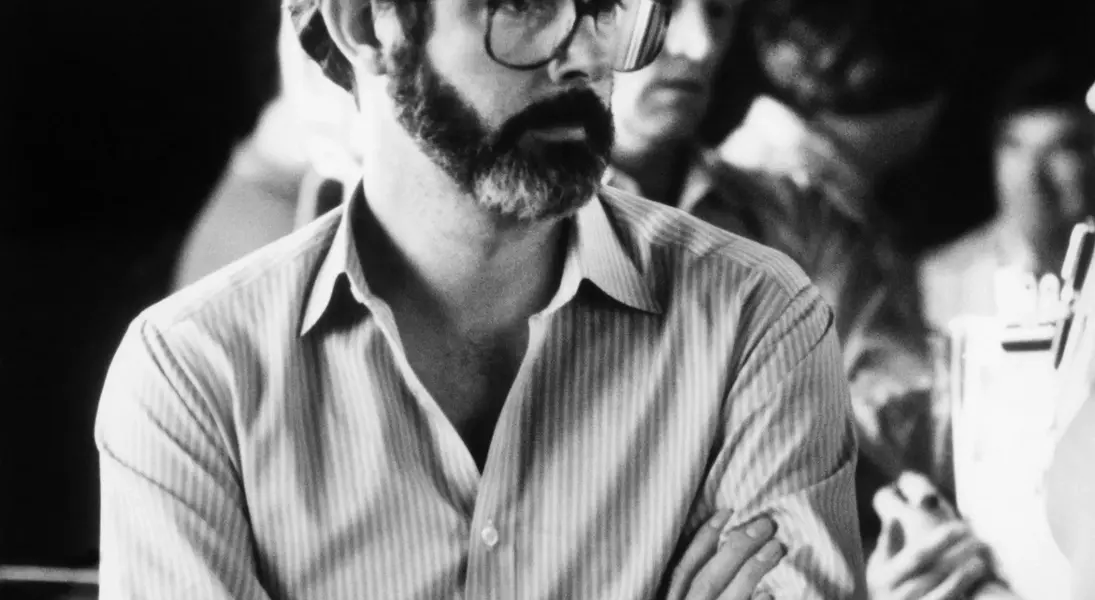
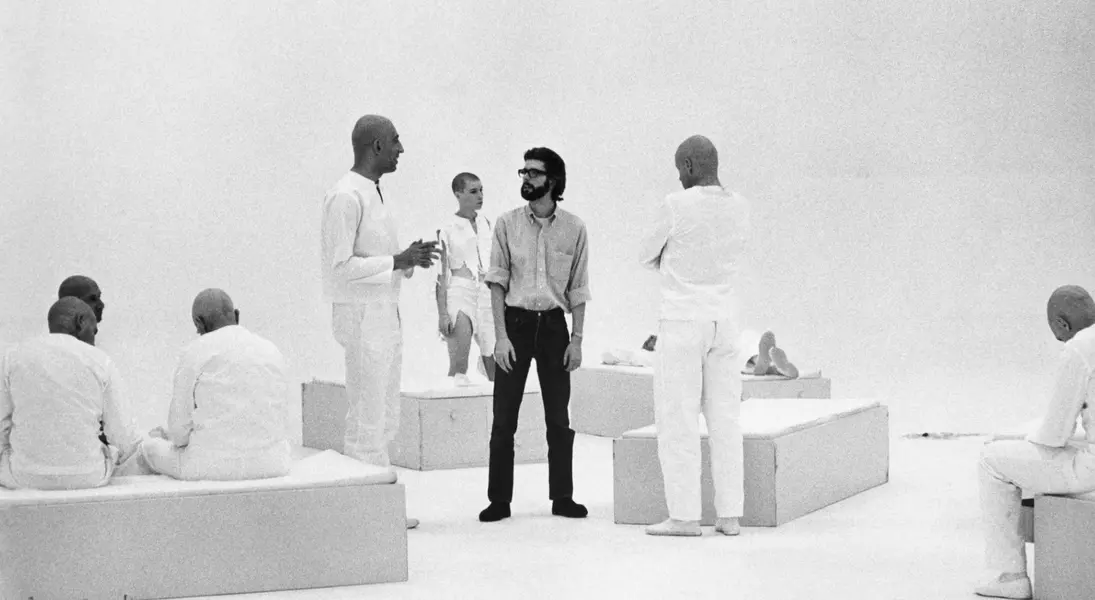
In an alternate timeline, George Lucas, at 27, launched a thought-provoking science fiction piece, "THX 1138," in March 1971. This film, alongside its director, faded into obscurity, failing to resonate with audiences or critics. Its box office performance was dismal, and it vanished without achieving cult status. Lucas, known for his experimental works at USC, faced exile from Hollywood shortly after the film's release due to a controversial incident involving the film reel, hindering studio interference.
Unveiling a Buried Masterpiece: "THX 1138" Reappraisal
For those who stumbled upon "THX 1138" through unconventional means, the experience often mirrored a profound realization: Lucas possessed an undeniable genius. Given its modest budget, the film stood as a monumental achievement, a chilling dystopian narrative drawing inspiration from literary giants like Orwell and Huxley, yet maintaining a unique identity. The thought that Lucas might not have created another film felt like a cinematic tragedy, suggesting a timeline where his potential was tragically unfulfilled.
An Exclusive Audience: A Rare Glimpse into Lucas's World
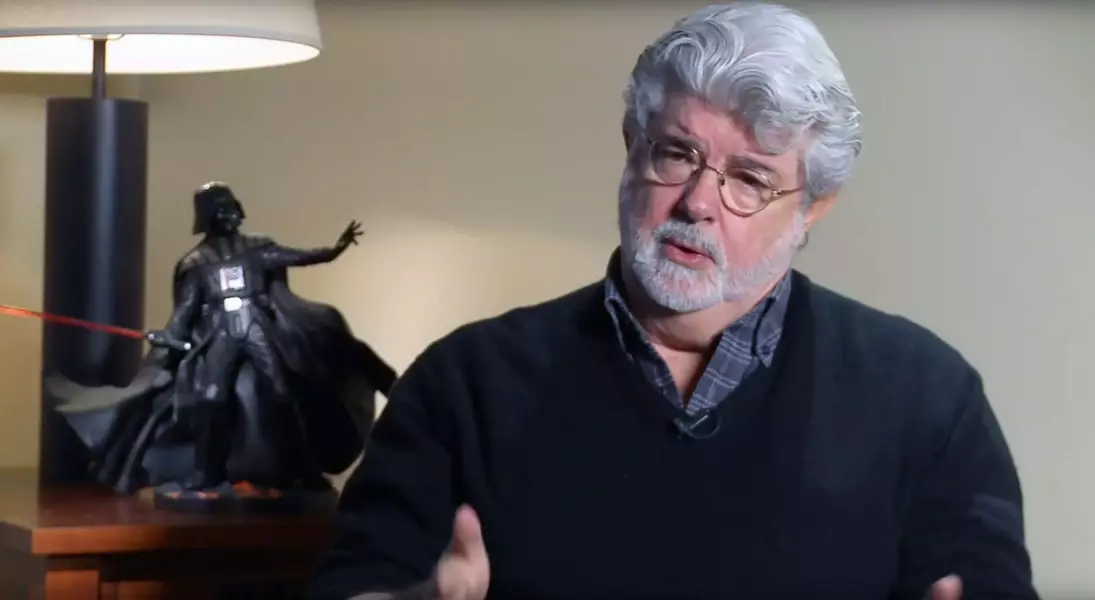
Since 1971, Lucas has been notoriously reclusive, shunning interviews after abandoning his plans to direct "Apocalypse Now." However, for the 55th anniversary of "THX 1138," he agreed to an interview, under the condition that the interviewer travel five hours to his office in Modesto, California, to witness something extraordinary. This rare encounter offered a chance to understand the mind behind the elusive film.
Reflections on Creativity and Conflict: Lucas's Candid Conversations
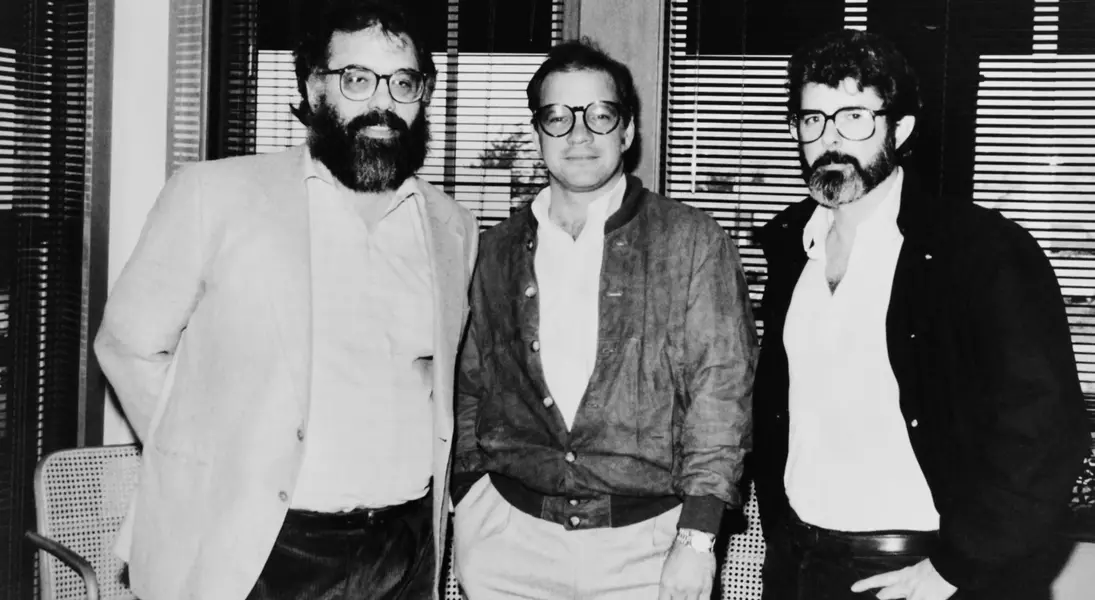
During the interview, Lucas patiently listened to accolades for "THX 1138," attributing its futuristic setting to ingenious storytelling rather than elaborate visuals. He acknowledged the influence of "Brave New World" on his dystopian vision. A slight smirk appeared when asked about his clashes with the studio and the audacious act of reclaiming his film, though he remained evasive. He also revealed a prolonged estrangement from Francis Ford Coppola, subtly dismissing queries about Coppola's latest work.
A Sanctuary of Imagination: Lucas's Modesto Haven
Inside the modest back office of L.M. Morris Stationery Store, inherited from his father, Lucas's true passions were evident. The walls were adorned with vintage movie posters, and his desk was a jumble of hand-crafted toys and figures, depicting miniature starships and alien creatures. His gaze sharpened as he pointed out a particular toy: "Luke Starkiller," proclaiming him "the chosen one," and embarking on an animated discussion about distant galaxies, mythical "jeh-die," and Joseph Campbell's hero's journey, emphasizing the cyclical nature of power and corruption.
The Genesis of an Epic: "Star Wars" Takes Shape
It became clear that Lucas's invitation was to reveal his enduring project: "Star Wars." This concept, a culmination of his childhood fascination with "Flash Gordon," was still in its nascent stages, far from ready for public consumption. Despite skepticism from his remaining Hollywood contacts, Lucas remained resolute. He described "Star Wars" as more than a film; an entire universe residing within his mind, a history spanning millennia, occupying his thoughts and dreams.
Beyond Film: Envisioning a Galactic Empire of Storytelling
Lucas's vision for "Star Wars" transcended mere cinema, evolving into a sprawling media empire destined to rival established studios. For him, "Star Wars" was a way of life, a blend of quasi-religious conviction and an unstoppable engine for success, promising an escape from Modesto to the pinnacle of Hollywood. He famously declared his refusal to sell the toy rights, even as he critiqued the commercialization of film, asserting that "Star Wars" was never intended for a mass audience and would likely fail commercially.
A Universe of Allegories: The Political Heart of "Star Wars"
Much like "THX 1138," "Star Wars" was imbued with strong political undertones. Lucas envisioned a cosmic conflict between a malevolent empire and defiant rebels, drawing direct parallels to real-world power struggles. In his mind, the empire symbolized American imperialism, while the rebels represented resistance movements, such as the Viet Cong in 1971, or, as he provocatively stated, the New England Freedom Forces today, likening figures like Ted Cruz to a tyrannical emperor. This bold political commentary revealed the depth of his allegorical storytelling.
A Legacy Redefined: Contentment in an Unconventional Career
Lucas conceded that "Star Wars" might forever remain a figment of his imagination, acknowledging that his Hollywood bridges were long burned. Yet, he desired the world to know of Luke Starkiller, believing his ideas could inspire future heroes' journeys. He expressed contentment with his singular directorial venture, stating pride in "THX 1138." His unconventional career, though not what he initially envisioned, had preserved his artistic integrity, a triumph over commercial compromise.
