This article delves into the remarkable positioning of the base Ford Mustang EcoBoost Fastback within the sub-$35,000 sports car segment. It highlights how this iconic vehicle masterfully balances thrilling driving dynamics with practical everyday usability, a combination rarely found among its competitors. The piece meticulously examines the Mustang's specifications, features, and driving experience, contrasting it with other pure sports cars and performance-oriented sedans/hatchbacks. Ultimately, it argues that the Mustang delivers unparalleled value, making it a compelling choice for a broad spectrum of drivers.
Experience the Thrill, Embrace the Practicality: The Mustang EcoBoost Delivers Beyond Expectations.
The Ford Mustang EcoBoost Fastback: A Comprehensive Look at Its Engineering and Design That Elevates It Above the Competition as an Accessible Performance Icon
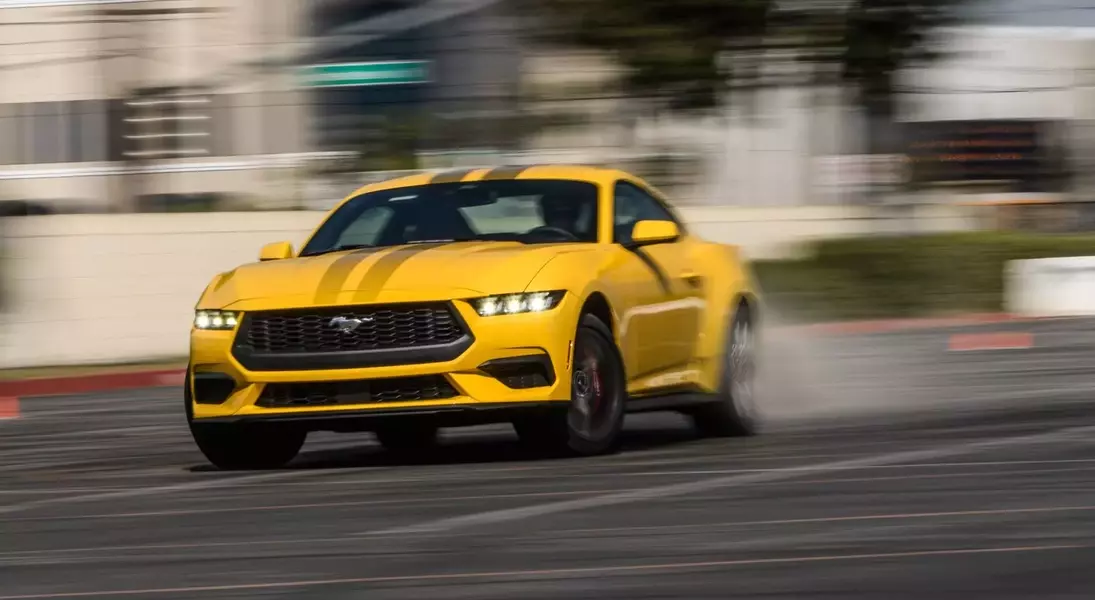
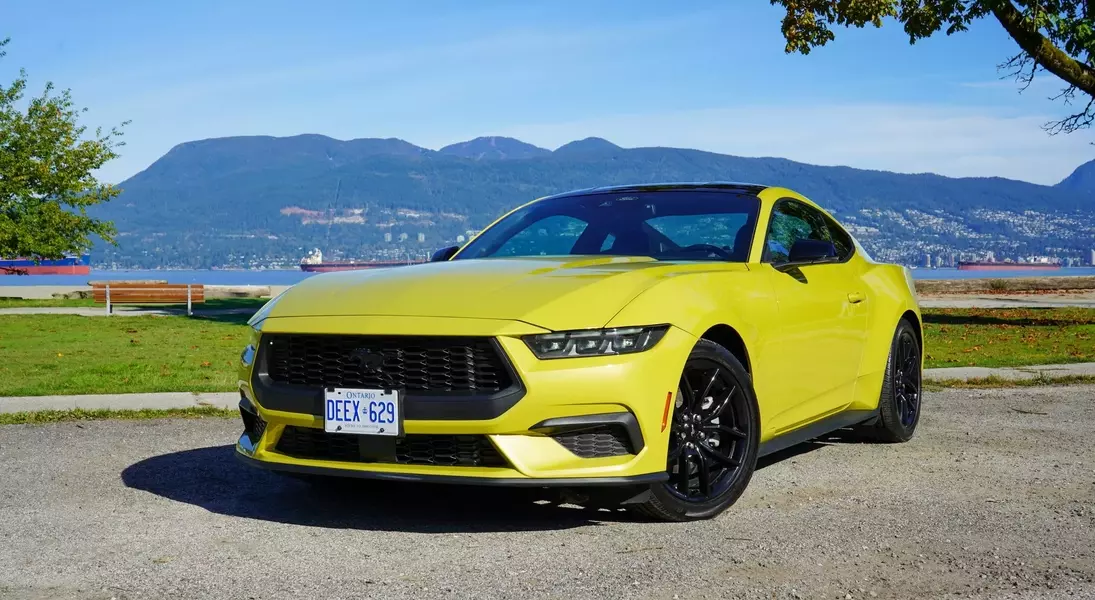
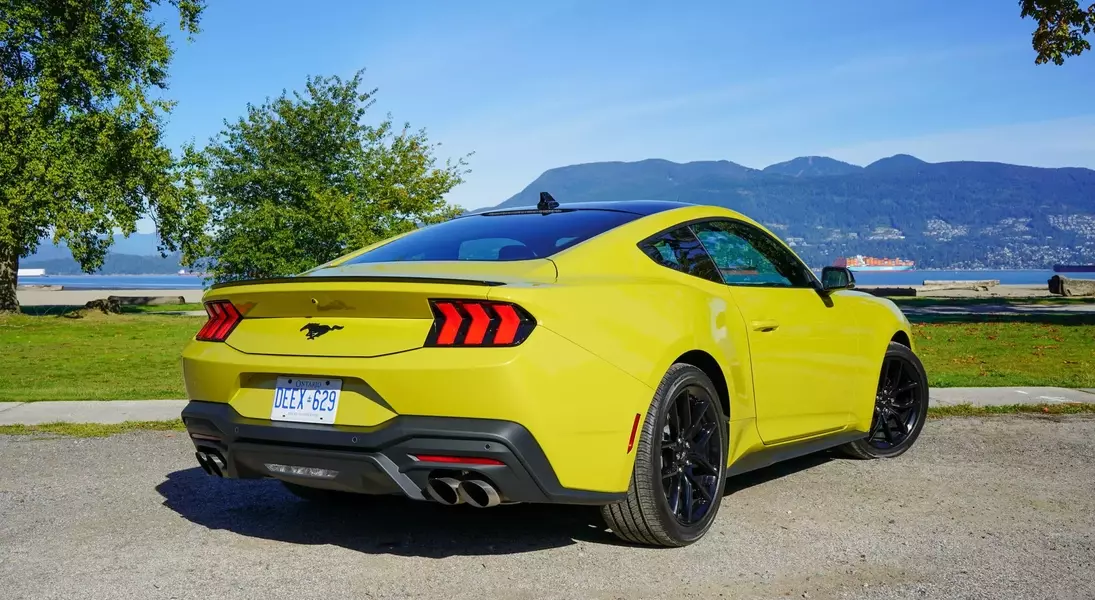
In a market where true sports cars under $40,000 are a rarity, the Ford Mustang EcoBoost Fastback emerges as a dominant force. This vehicle isn't merely a sedan with a sporty appearance; it's a machine engineered from the ground up to deliver an engaging and enjoyable driving experience. When pitted against its contemporaries, the Mustang consistently demonstrates its capability as a versatile daily driver, adept at handling routine tasks like school runs and grocery trips, while still satisfying the cravings of a driving enthusiast. Its unique blend of performance and practicality positions it as an unmatched all-rounder in its class.
Unpacking the Core of the Mustang EcoBoost: Performance, Technology, and Value Proposition That Redefine Entry-Level Sports Car Expectations
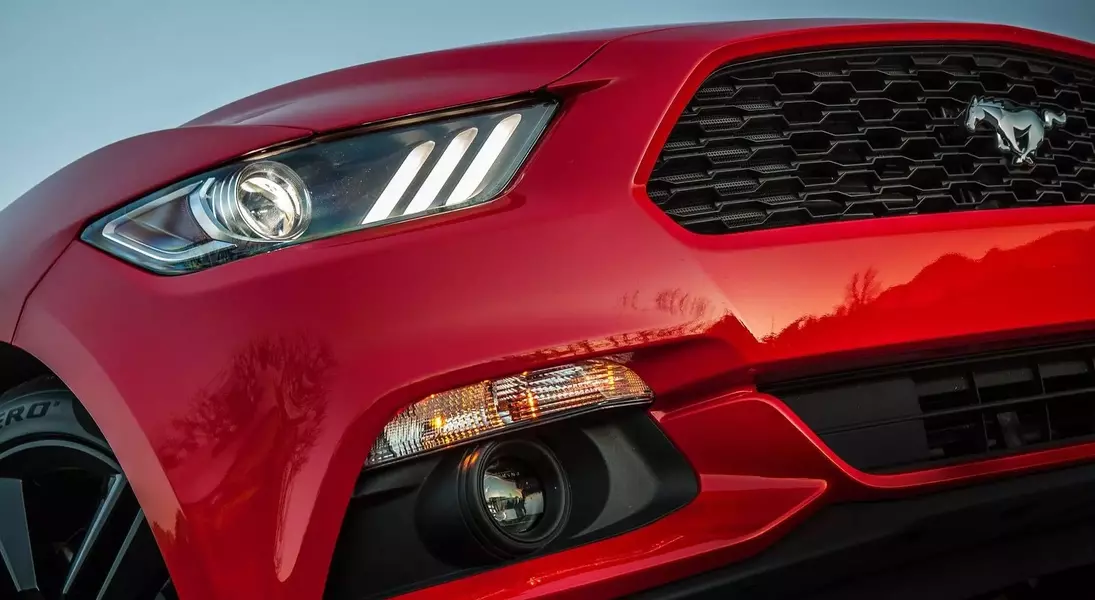
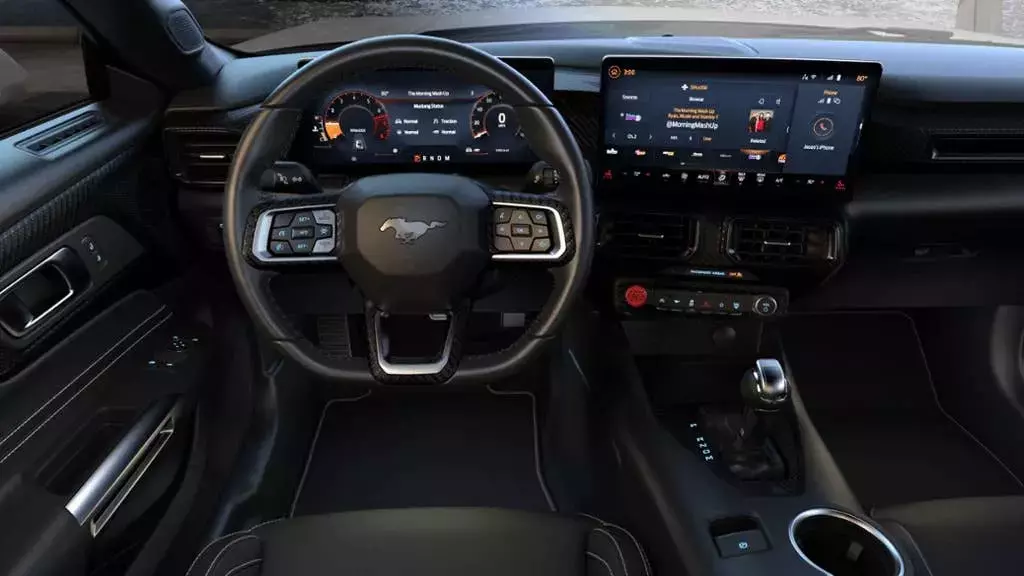
While the EcoBoost Fastback may not share the raw power or the resonant exhaust note of its V8 GT siblings, its significantly lower price point — a substantial $14,805 less — makes it an incredibly attractive option without compromising on the overall driving pleasure. At its heart lies a potent 315-horsepower 2.3-liter turbocharged engine, mated to a smooth and responsive 10-speed automatic transmission that drives the rear wheels. Although a manual option is reserved for V8 models, the automatic gearbox excels in both spirited driving and the less demanding stop-and-go of daily commutes. This entry-level model is far from basic, featuring a customizable 12.4-inch digital instrument cluster, a 13.2-inch central touchscreen, rear parking sensors, and lane-keeping assist, all contributing to a modern and safe driving environment. For those seeking enhanced luxury, the EcoBoost Premium offers exceptional value for an additional $3,350, adding heated and ventilated front seats, a heated steering wheel, and a premium 12-speaker Bang & Olufsen sound system. The performance figures are equally compelling; despite its modest horsepower, the turbocharged engine produces an impressive 350 lb-ft of torque low in the rev range, propelling the Mustang from 0 to 60 mph in just over 5 seconds. Furthermore, its interior offers practical rear passenger space and a generous 13.5 cubic feet of trunk capacity, reinforcing its suitability for everyday use.
A Head-to-Head Comparison: Analyzing the Mustang EcoBoost Against Its Direct Sports Car Rivals and Highlighting Its Distinct Advantages in Everyday Usability and Performance
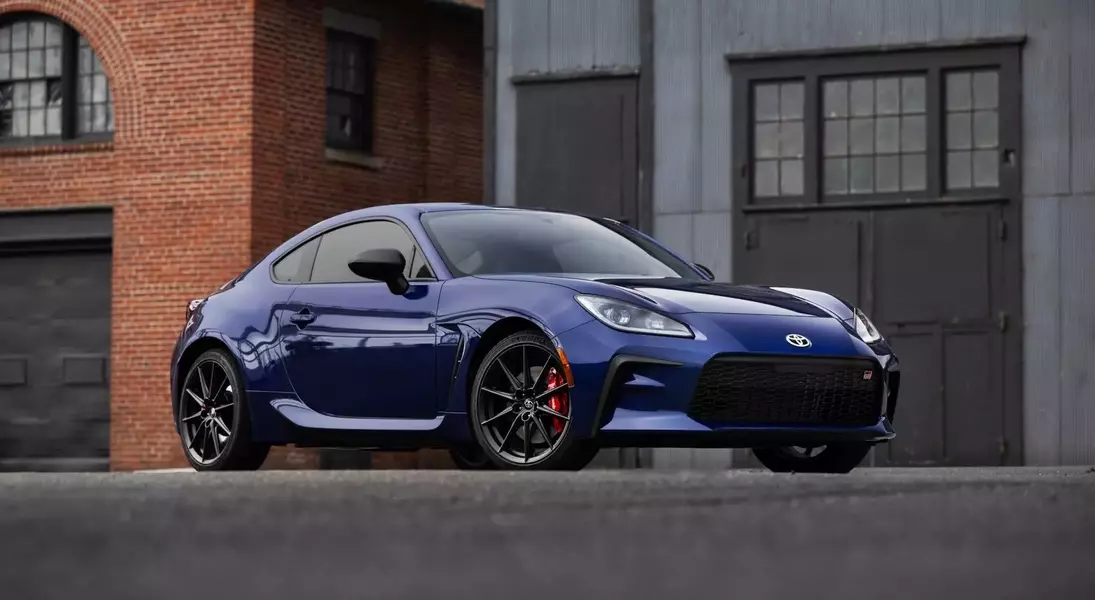
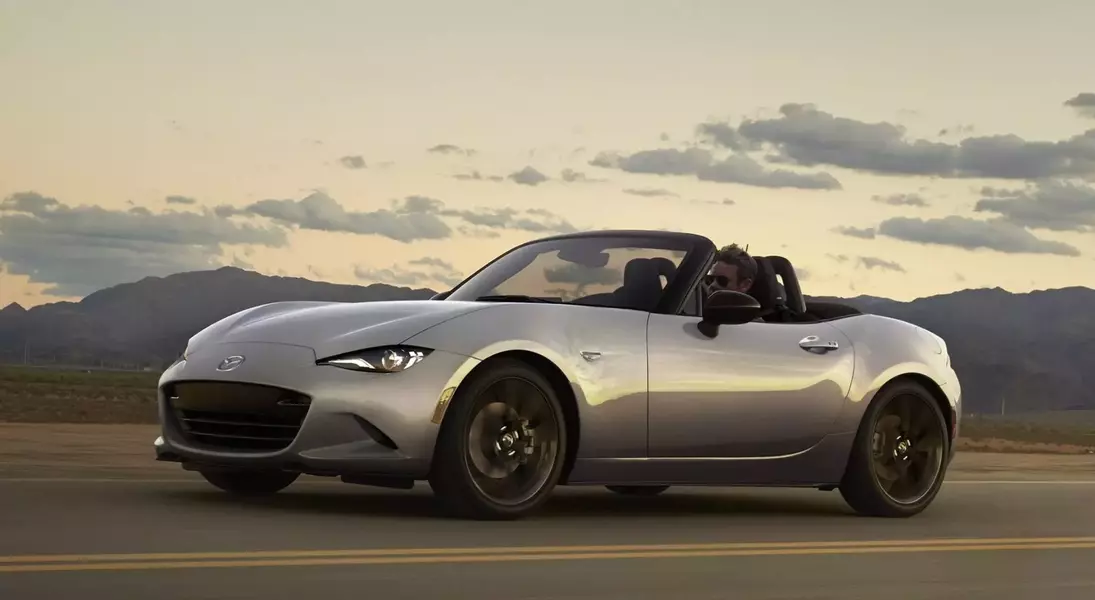
Within its price bracket, the Ford Mustang EcoBoost faces primarily two bespoke sports car competitors: the Toyota GR86 and the Mazda MX-5 Miata. The GR86, an analog 2+2 coupe, prioritizes chassis balance and handling precision over brute force, offering a raw and engaging driving experience, especially with its standard manual transmission. While it provides excellent driving feel and undercuts the Mustang's base price, its compromises in daily usability are notable, making it less versatile for varied needs. The Subaru BRZ, its twin, comes at a higher starting price. The Mazda Miata, arguably an even purer sports car, captivates with its lightweight, two-seat roadster charm. However, its compact dimensions and minimal storage render it impractical for individuals with family responsibilities or those requiring significant cargo space. Although attractively priced in its base Sport trim, the Club variant, with its limited-slip differential and sportier suspension, is often the preferred choice. Both the GR86 and Miata demand greater concessions in daily practicality compared to the Mustang. While they may excel on winding roads, the Mustang holds its own in corners and significantly outperforms them in straight-line acceleration. Moreover, the Mustang offers superior comfort for long-distance journeys without a significant penalty in fuel efficiency, further solidifying its all-around advantage.
Expanding the Horizon: Evaluating the Mustang EcoBoost Against Performance-Oriented Sedans and Hatchbacks, and Affirming Its Unique Blend of Sports Car Aesthetics and Practicality
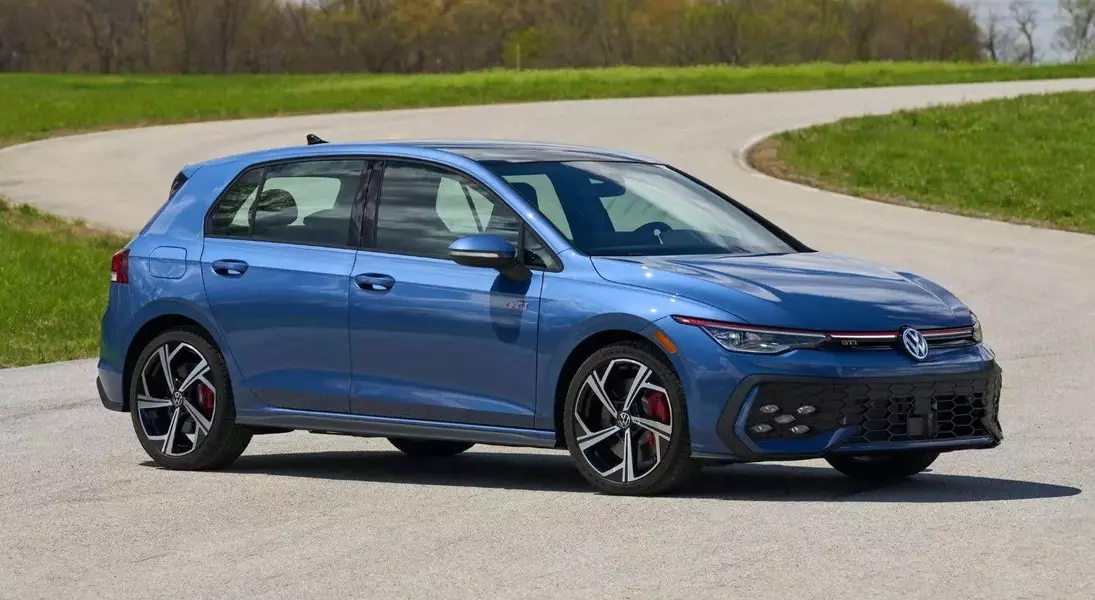
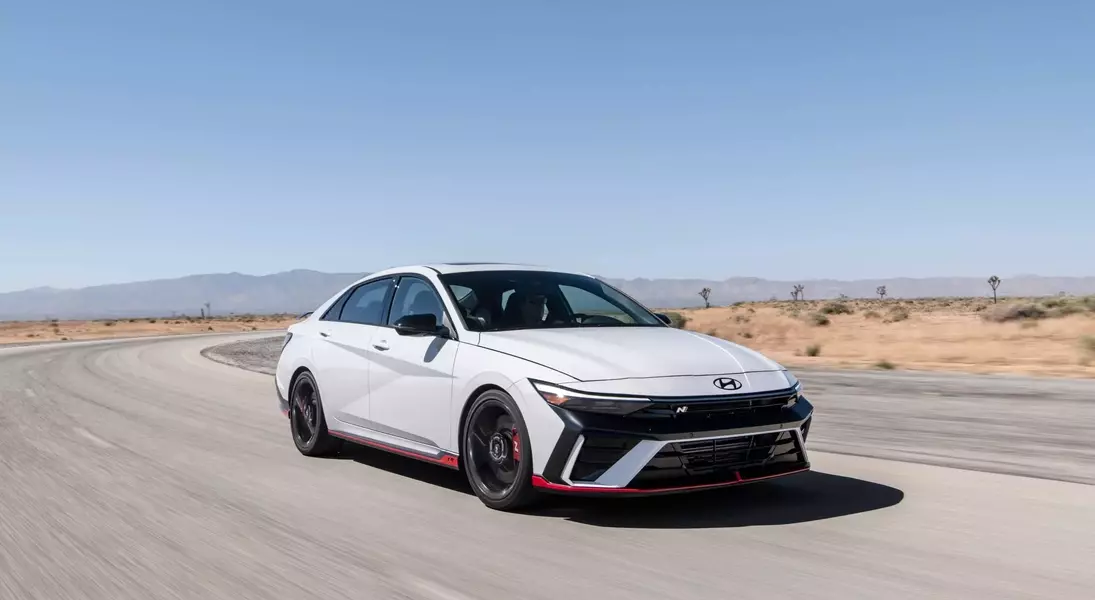
To find vehicles that offer a comparable blend of everyday usability and performance, one must look beyond pure sports cars to sporty sedans and hatchbacks. The Volkswagen Golf GTI stands as a benchmark in the hot hatch segment, celebrated for its agility, enjoyable driving dynamics, and comprehensive suite of technology, features, and space, making it both a thrilling weekend car and a practical daily driver. Similarly, the Hyundai Elantra N delivers exceptional value and straight-line performance that even surpasses the base Mustang EcoBoost. Like the GTI, it offers four doors, ample passenger room, and generous trunk space, alongside the option of both manual and automatic transmissions. However, both the Golf GTI and Elantra N generally carry a higher price tag than the Mustang. More importantly, their front-wheel-drive configurations inherently lack the balanced handling dynamics that rear-wheel-drive sports car enthusiasts covet on challenging roads. Furthermore, their styling, derived from high-volume economy cars, often lacks the distinct low-slung, athletic presence characteristic of a dedicated sports car. This aesthetic and dynamic distinction reinforces the Ford Mustang EcoBoost's unique position. In the confluence of all-around usability, competitive pricing, and robust performance, the Ford Mustang EcoBoost remains unrivaled. The arrival of the next-generation Chevrolet Camaro might present a new challenger, but for now, the Mustang stands alone.
