
The Academy Awards, universally recognized as the Oscars, have a surprisingly convoluted origin story behind their iconic nickname. This prestigious cinematic honor, symbolized by a gleaming statuette, has been an object of curiosity for decades regarding the genesis of its popular moniker. Bruce Davis, a former executive director of the Academy, embarked on a quest to uncover the truth, navigating through various myths and ultimately proposing a compelling new theory.
Discovering the Roots of a Hollywood Legend: The Oscar's Nameless Journey
The Academy Award's Design and Early Recognition
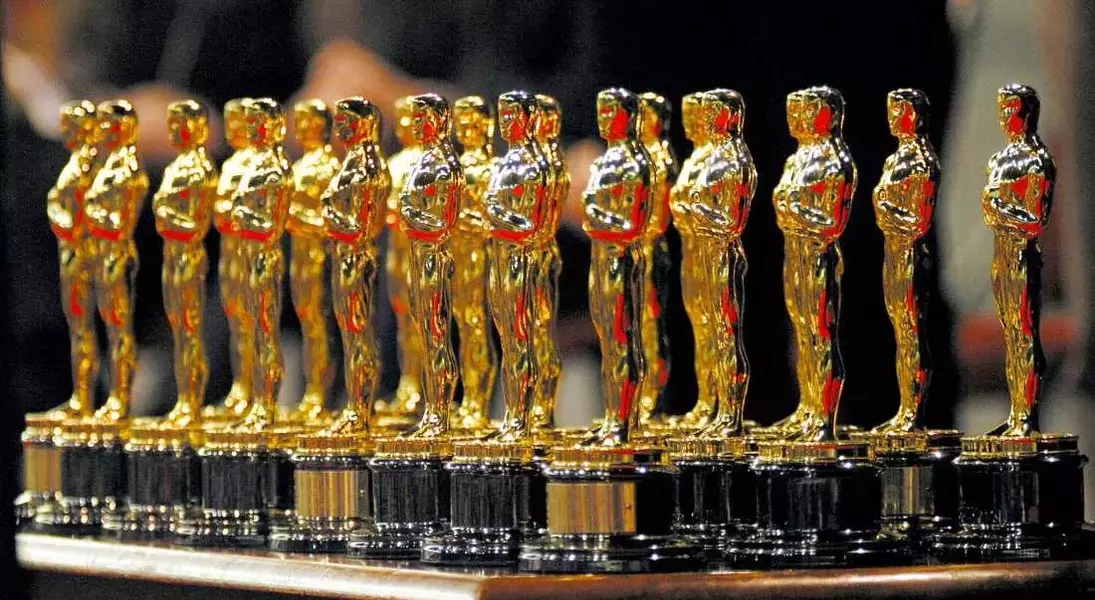
The 98th annual Academy Awards ceremony is approaching, bringing together the crème de la crème of Hollywood. Attendees will grace the red carpet before witnessing a night filled with emotional victories, inevitable disappointments, and occasionally truncated acceptance speeches. The event is most commonly referred to as "the Oscars," a long-standing informal name for the golden statuettes presented to winners.
The distinguished statuette was conceived by Cedric Gibbons, the artistic director at Metro-Goldwyn-Mayer, for the inaugural Academy of Motion Picture Arts and Sciences (AMPAS) banquet in 1929. The design depicts a knight, possibly modeled after a contemporary Mexican actor, poised on a film reel, brandishing a crusader's sword to symbolize the defense of the film industry against external critiques. Los Angeles sculptor George Stanley brought this vision to life, crafting the 13 1/2-inch, 8 1/2-pound award. Initially, the award was formally known as the "Academy Award of Merit," with the nickname "Oscar" being officially adopted by the Academy in 1939.
The Enduring Puzzle of the Oscar's Name
The question of how the statuette acquired its famous nickname persistently intrigued Bruce Davis throughout his two-decade tenure as the Academy's executive director, which concluded in 2011. He frequently received inquiries from the public but found that even within the Academy, no one seemed to have a definitive answer. This enduring mystery prompted Davis to dedicate his retirement to researching the institution's history, culminating in his 2022 publication, The Academy and the Award. His book delves into the very question of the Oscar nickname's origins.
Davis noted the difficulty in pinpointing the exact source, requiring extensive investigation. He ultimately concluded with a theory he considers highly probable.
Dispelling Common Misconceptions About the Nickname's Origin
Historically, three popular yet contested stories have circulated regarding the origin of the name "Oscar." Davis meticulously debunked each of these, paving the way for his own hypothesis.
The nickname "Oscar" first appeared in a mainstream newspaper in March 1934, when entertainment journalist Sidney Skolsky used it in his Hollywood gossip column as a shorthand for the Academy Award. Skolsky's account suggested he struggled with the pretentious-sounding and difficult-to-spell word "statuette" while on deadline. He reportedly recalled a vaudeville act where an orchestra member named Oscar was playfully offered a cigar. Skolsky claimed he then decided to use "Oscar" to humorously deflate the ceremony's perceived snobbery.
However, Davis found flaws in Skolsky's narrative, noting that the term had appeared in an industry publication months prior to Skolsky's column. Despite this, Skolsky is still recognized for coining or popularizing other terms, such as "beefcake."
The Bette Davis Account: A Famous, Yet Debunked, Claim
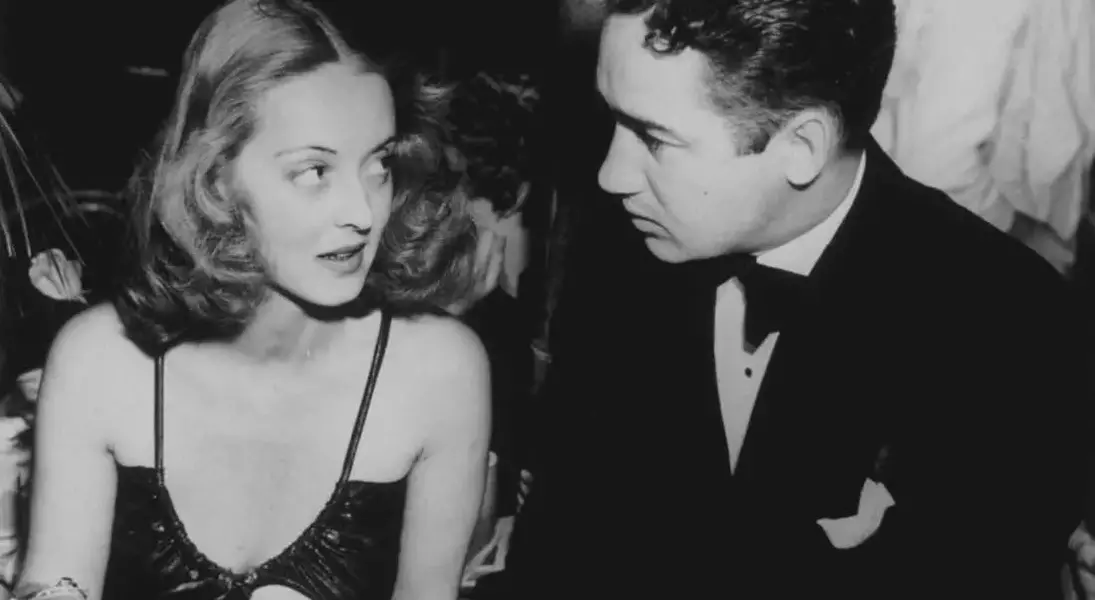
Another widely known story attributes the nickname to the legendary actress Bette Davis. She famously asserted in her 1962 autobiography that she had coined the name "Oscar" upon receiving her first Academy Award decades earlier. Davis claimed that while holding the statuette, she observed its rear and remarked that it resembled her then-husband, Harmon Oscar Nelson Jr. However, Davis's husband was primarily known as "Ham," and the name "Oscar" had already appeared in print years before her first win in 1936. She later recanted her claim in her 1974 book, acknowledging that she had not, in fact, originated the term.
Exploring More Credible Theories for the Oscar's Name
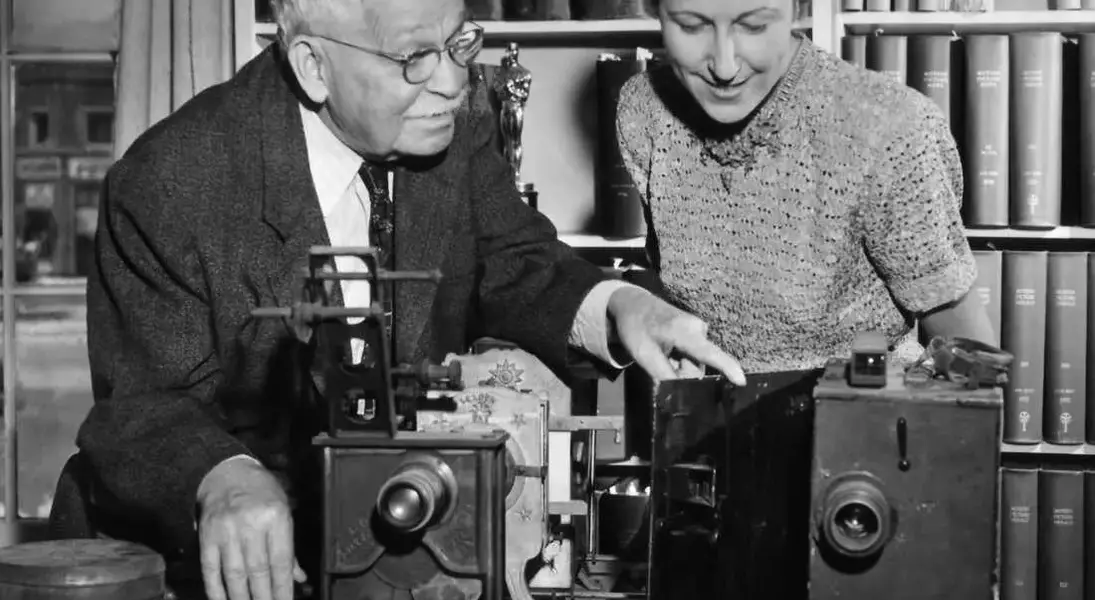
A more plausible explanation involves Margaret Herrick, who transitioned from the Academy's librarian to its executive director in the mid-20th century. According to Monica Sandler, a film and media historian, Herrick supposedly referred to the statuette as "Oscar" in the 1930s because it reminded her of her uncle Oscar. Sandler views Herrick as a highly logical candidate, given her close association with the Academy. Herrick began as an unpaid volunteer alongside her then-husband, Donald Gledhill, in the early 1930s, becoming the official librarian in 1936. She took over as interim executive director when Gledhill departed for the Army in 1943 and was formally appointed two years later, leading the Academy until her retirement in 1971. Herrick played a crucial role in developing the Academy's library into a leading film research center and securing the award show's first television contract in 1953, significantly bolstering its financial independence. Despite Herrick often claiming credit for the nickname in interviews, Davis remains skeptical due to her inconsistencies in identifying this mysterious Uncle Oscar.
Unveiling the Most Likely Originator: Eleanore Lilleberg
Davis, however, strongly believes the true originator was Eleanore Lilleberg, an Academy secretary and office assistant who managed the statuettes before the ceremonies. Although her name occasionally surfaced, solid evidence remained elusive until after Davis's retirement. His breakthrough came upon discovering the Einar Lilleberg Museum, a community center honoring Eleanore's brother, Einar Lilleberg, an artist and craftsman. A visit to the museum revealed a box of Einar's writings, which, though lacking intricate details, explicitly credited his sister with the naming. Einar's correspondence indicated that Eleanore habitually called the statuettes "Oscar," and the staff, finding it amusing, adopted the nickname over the formal "Academy Award of Merit."
Eleanore’s brother suggested she had in mind a Norwegian veteran from their childhood in Chicago, known for his upright stature. Despite Davis's inability to locate this particular Oscar, his theory has remained unchallenged since his book's publication, giving him confidence in its accuracy.
The Enduring Charm of the Oscar's Persistent Mystery
While the definitive origin of the Oscar nickname may forever remain elusive, Davis finds satisfaction in his extensive quest. He acknowledges that if his research had yielded no credible explanation, he wouldn't advocate for a name change. The interesting aspect is how the tradition took hold; before Oscar, no other film awards bore a personal name. Within a few years, numerous other awards followed suit, seeking their own personalized monikers. Monica Sandler, a media historian, explains that because the Academy Awards were a pioneering major pop culture award, many others emulated its format. Prestigious international awards, such as France's César Awards, Mexico's Ariel Awards, and Italy's David's, also feature personified names, as do the Emmy and Tony awards from the mid-20th century. Ultimately, Davis believes that being on a first-name basis with an award creates a stronger connection, and he is content that public interest in the Oscars endures, regardless of the true source of its name.
