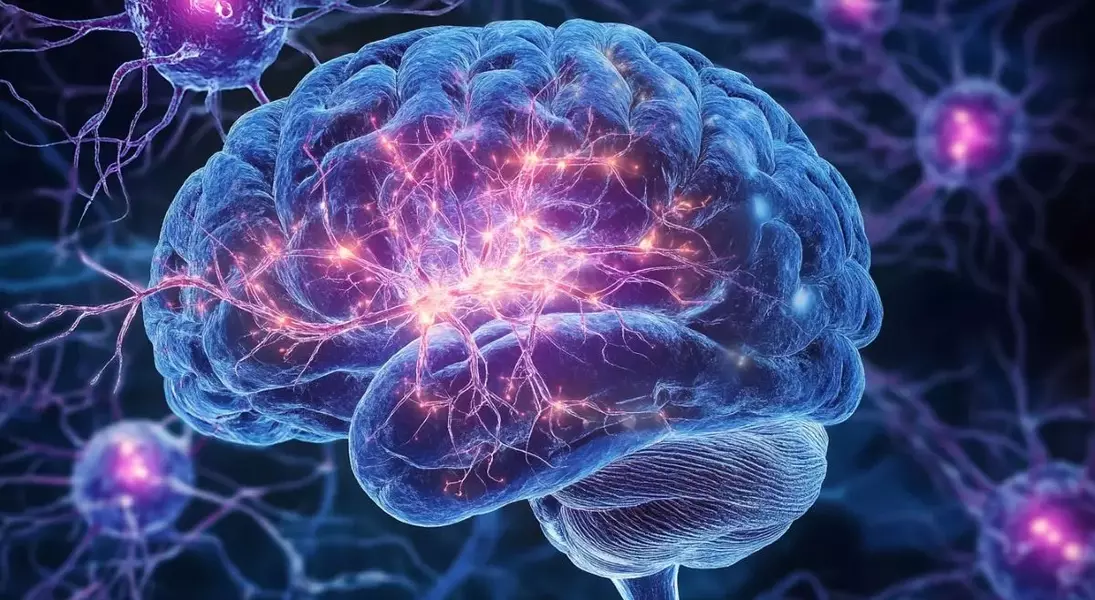
In a groundbreaking study, researchers from leading institutions have employed advanced brain-mapping techniques to uncover the cellular mechanisms behind tau protein accumulation—a hallmark of Alzheimer’s disease. By profiling over 1.3 million cells in mice, they identified specific neurons that are particularly susceptible to tau buildup, while others appear to offer protection. This discovery challenges previous assumptions about genetic risk factors and opens new avenues for targeted therapies.
Unlocking New Pathways to Combat Alzheimer’s Disease
The Vulnerability of Memory-Associated Neurons
The hippocampus, a critical region for memory and learning, contains glutamatergic neurons that exhibit a heightened vulnerability to tau protein accumulation. These neurons play a pivotal role in synaptic transmission and information processing, making them essential for cognitive functions. Researchers observed that these neurons were significantly more likely to accumulate tau compared to other cell types. This finding is crucial because it highlights why certain areas of the brain deteriorate faster in Alzheimer’s patients.The accumulation of tau disrupts the normal functioning of these neurons, leading to a cascade of events that impair memory and cognitive abilities. In contrast, cortical neurons, which control motor skills, sensory perception, emotions, and reasoning, showed lower susceptibility to tau buildup. This disparity suggests that the distribution of cell types within the brain may be a more accurate predictor of tau accumulation than previously thought.Protective Role of Oligodendrocytes
Oligodendrocytes, known for their role in insulating nerve fibers with myelin sheaths, emerged as potential defenders against tau accumulation. These cells appeared less affected by tau, indicating a protective function. Myelination ensures efficient signal transmission along nerve fibers, and oligodendrocytes’ resistance to tau could contribute to maintaining neural integrity.This resilience offers valuable insights into how certain cell types might shield the brain from neurodegenerative damage. Understanding the mechanisms behind this resistance could pave the way for developing therapies that enhance the protective capabilities of oligodendrocytes. For instance, promoting the health and function of these cells could potentially slow down or even prevent the progression of Alzheimer’s disease.Beyond Genetics: Cellular Composition as a Key Predictor
Traditionally, genetic factors have been considered primary determinants of Alzheimer’s risk. However, this study challenges that notion by demonstrating that the distribution of different cell types in the brain is a more reliable indicator of tau accumulation. The research team used mathematical and computational models to analyze cell-type distributions across various brain regions.Their findings revealed that the composition of brain cells in specific areas better predicts where tau will accumulate compared to genetic predispositions. This shift in focus from genetics to cellular composition provides a fresh perspective on the disease’s progression. It underscores the importance of considering the diverse roles of different cell types when studying neurodegenerative disorders.Moreover, this approach can lead to more personalized treatment strategies. By identifying individuals with particular cell-type distributions, healthcare providers can tailor interventions to target vulnerable areas more effectively. This precision medicine approach holds promise for improving patient outcomes and slowing the advance of Alzheimer’s disease.Implications for Future Research and Therapy
The implications of this research extend beyond understanding Alzheimer’s disease. The detailed maps created using the Matrix Inversion and Subset Selection (MISS) technique offer a comprehensive view of brain cell types, which can inform studies on other neurological conditions. The ability to predict tau accumulation based on cellular composition opens doors for early detection and preventive measures.Furthermore, the identification of glutamatergic neurons as highly vulnerable and oligodendrocytes as potentially protective provides a foundation for developing targeted therapies. Drugs designed to protect or enhance the function of these cells could mitigate the effects of tau buildup. Additionally, gene ontology analysis has revealed distinct functional differences between genes associated with tau pathology and those inherent to vulnerable cells, offering new targets for intervention.In conclusion, this study marks a significant step forward in unraveling the complexities of Alzheimer’s disease. By focusing on cellular composition rather than genetics alone, researchers have uncovered critical insights that can guide future efforts to combat this devastating condition. The potential for improved diagnostics and therapies brings hope to millions affected by Alzheimer’s disease.You May Like