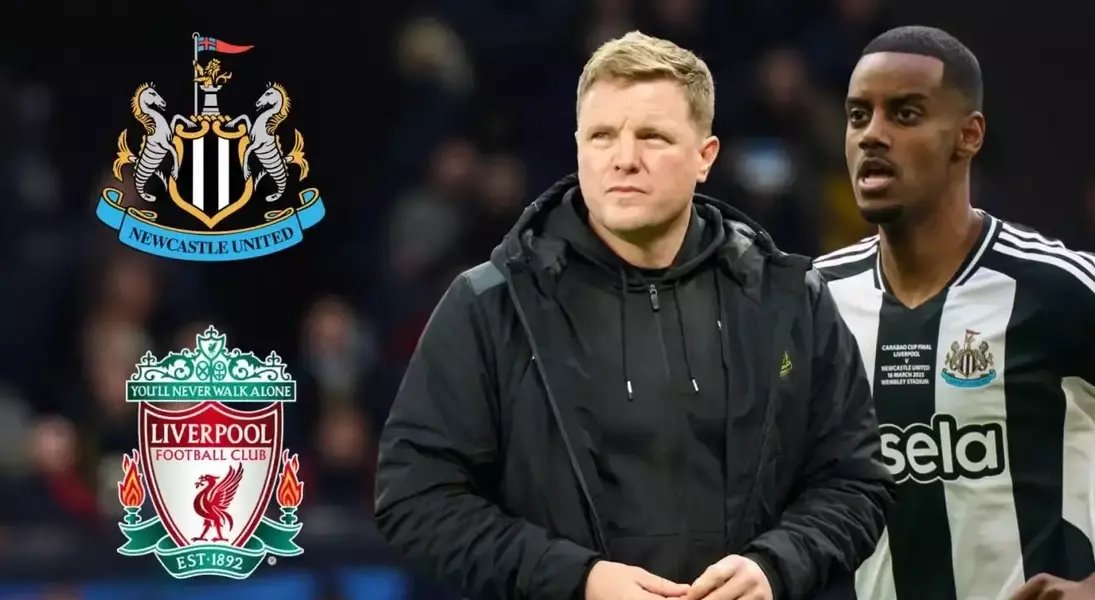
The recent discourse surrounding football transfers, especially involving promising forward Alexander Isak, has been a whirlwind of speculation, often fueled by media interpretations rather than concrete facts. Despite fervent reports from various news outlets suggesting major developments, the reality appears to be far more subdued, with general statements from club managers being sensationalized into significant transfer news.
A critical look at the situation reveals how easily general comments about team building and transfer conditions can be distorted into definitive headlines. For instance, Arne Slot's broad remarks on player acquisitions were spun by some media as direct hints about Liverpool's pursuit of Isak, even when his actual statements were merely boilerplate conditions applicable to any potential transfer. This media trend extends to the persistent 'bombshell' claims regarding Isak's future, which often lack any substantive basis, yet are continually used to generate engagement and readership. Meanwhile, Newcastle’s coach, Eddie Howe, has consistently addressed the topic, expressing a desire for the ongoing speculation to conclude, particularly as the transfer window approaches its end.
The ongoing narrative illustrates a common phenomenon in sports journalism where conjecture often overshadows genuine news. While fans eagerly await confirmed transfers, the reliance on vague statements and the creation of dramatic 'bombshells' can lead to widespread misinformation. It underscores the importance of critically evaluating news sources and recognizing the distinction between actual developments and speculative reporting in the fast-paced world of football transfers. In this environment, discerning readers are challenged to look beyond the hype and seek out verified information to understand the true state of affairs.
In an age where information travels at lightning speed, it is crucial for individuals to cultivate critical thinking skills to distinguish fact from fiction. This discernment not only helps in navigating the complex world of news but also fosters a more informed and engaged public. By promoting thoughtful consumption of media, we can all contribute to a more transparent and truthful exchange of information, upholding integrity and intellectual honesty in our daily lives.
