In the expansive narrative of 'Stranger Things,' the mystical abilities of Will Byers have undergone a fascinating transformation, sparking discussions among fans and drawing parallels to the distinct magical archetypes found within 'Dungeons & Dragons.' Initially perceived as a wizard, then briefly as a sorcerer, a deeper look into the nature of his powers reveals a compelling alignment with the warlock class, a revelation that not only enriches his character but also holds significant implications for the unfolding storyline. This re-evaluation of Will's magical identity, particularly his connection to Vecna, underscores his pivotal role in the impending conflict and highlights the intricate relationship between the show's lore and its D&D inspirations.
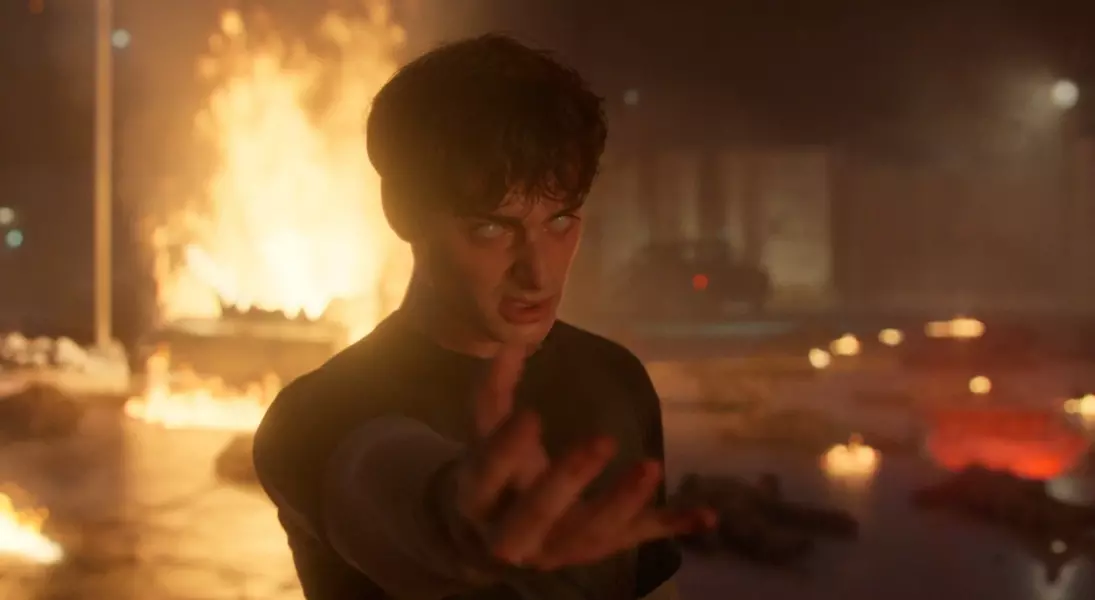
Will's journey into the supernatural began with an early association with the wizard archetype, specifically 'Will the Wise' from his D&D games. This connection was forged when his in-game wizard character was vanquished by the Demogorgon, mirroring his own abduction into the Upside Down. Season 2 further solidified this link, revealing his lingering connection to the alternate dimension's dark forces. However, in the latest season, Mike Wheeler suggests a shift, proposing Will is more akin to a sorcerer. This shift becomes crucial when Will instinctively manipulates Demogorgons and later, by drawing upon cherished memories, unleashes a potent inner strength to protect his friends.
The distinction between a wizard and a sorcerer in 'Dungeons & Dragons' lies fundamentally in the origin of their magical prowess. Wizards, traditionally, are scholars of arcana, meticulously studying spellbooks and memorizing incantations to wield magic. Their power is a product of intellect and diligent learning. Sorcerers, on the other hand, are born with an innate magical gift; their powers are a manifestation of their very being, often stemming from extraordinary bloodlines such as dragon ancestry. While both are formidable arcane spellcasters, the sorcerer's magic flows from an intrinsic source, granting them a more intuitive and often more frequent access to their abilities, albeit with a more limited spell repertoire compared to a wizard's vast knowledge.
Despite the sorcerer classification seeming a plausible fit for Will's newfound spontaneous abilities, a more precise examination points towards the warlock archetype. The crucial difference lies in the source of power: Will's abilities, as clarified by Noah Schnapp, are not innate but siphoned from Vecna. This external origin, where power is granted through a pact or connection with a powerful entity, is the hallmark of a warlock. Warlocks in D&D draw their strength from patrons with their own agendas, a dynamic that perfectly encapsulates Will's involuntary bond with Vecna and how he is used to influence the world, such as building tunnels in Hawkins. This dangerous alliance, where power comes at a cost, positions Will as a key figure whose evolving abilities will be vital in safeguarding Hawkins against Vecna's sinister machinations in the series' grand finale.
The continuous re-evaluation of Will's magical identity in 'Stranger Things' from a wizard to a sorcerer, and ultimately to a warlock, not only enriches his character arc but also demonstrates the show's clever integration of 'Dungeons & Dragons' lore. His unique, externally derived powers underscore the depth of his connection to the Upside Down and position him as a crucial player in the climactic struggle against Vecna, highlighting the complex nature of heroism and sacrifice.
